Hormuz Shock Gives LNG Buyers New Leverage With Qatar and UAE
🔔 Subscribe to ShipUniverse Weekly →
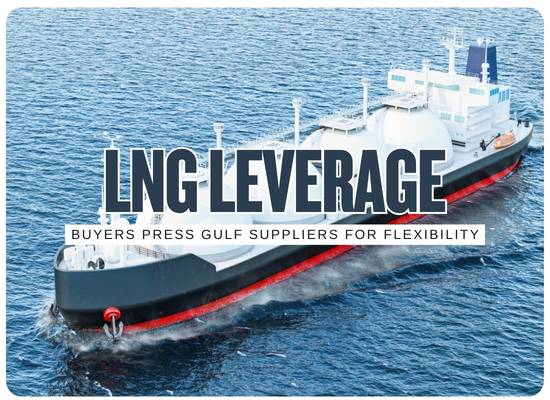
LNG buyers in Asia and Europe are reportedly preparing to press Qatar and the UAE for cheaper and more flexible long-term supply deals after the recent Strait of Hormuz shock exposed a new risk premium around Gulf cargoes. The negotiations are expected to focus on lower oil-linked pricing, stronger diversion language, backup cargo guarantees, broader destination flexibility, and protection against higher insurance costs tied to the waterway. Qatar remains one of the world’s lowest-cost LNG producers and is still expanding aggressively through its North Field program, while the UAE is building commercial momentum around ADNOC’s Ruwais LNG project. The fresh change is that buyers now have a clearer argument that Gulf LNG reliability carries a maritime risk cost because cargoes from Qatar and the UAE still rely on Hormuz to reach global markets.
LNG Contract Talks Shift Toward Buyer Protection
Hormuz disruption is now feeding into pricing, cargo flexibility, insurance exposure, and backup supply language.
Buyer Leverage
Asian and European buyers are expected to push Gulf suppliers for lower LNG pricing and stronger supply protection after the Hormuz disruption.
Supply Guarantee Pressure
Replacement cargo language, alternate sourcing, and delivery continuity are becoming more important in long-term Gulf LNG negotiations.
Insurance Cost Exposure
War-risk premiums, tanker availability, route declarations, and charter terms can raise the delivered cost of Gulf LNG cargoes.
Flexible Terms
Destination flexibility, cargo swapping, deferral rights, and backup loading options may carry more value than a simple headline price cut.
Competing Supply
Growing LNG supply from outside the Gulf gives buyers more room to compare price, routing risk, contract terms, and delivery certainty.
Operator Readout
The maritime angle is contract reliability. LNG buyers are not only looking at molecule price. They are now pricing the corridor, the ship, the insurer, the loading window, the backup cargo option, and the cost of replacing a missed Gulf delivery.
Gulf LNG Contract Reset Watch
Hormuz exposure is becoming part of price, flexibility, insurance, and delivery-security negotiations.
The contract discussion is moving beyond the usual oil-index slope. Buyers are expected to compare headline price against the added value of backup cargoes, alternate loading options, destination flexibility, insurance treatment, and replacement-supply commitments if Hormuz becomes disrupted again.
Approximate share of global LNG trade that moved through the Strait of Hormuz in 2024.
Recent oil-linked LNG deal level cited after some buyers began pricing in Gulf supply risk.
QatarEnergy’s targeted LNG production capacity by the end of 2030.
LNG Buyer Leverage Table
| Negotiation Area | Latest Signal | Maritime Contract Meaning | Stakeholders Affected | Watch Level |
|---|---|---|---|---|
| Price slope | Buyers are pushing below prior Gulf LNG pricing norms | Oil-indexed LNG deals may face new pressure as Hormuz risk becomes a pricing factor. | Buyers, portfolio sellers, traders, finance teams | High |
| Supply guarantees | Backup cargoes and replacement delivery language are moving into focus | Contract value may depend on cargo continuity, not only LNG price per MMBtu. | Utilities, import terminals, LNG traders, sellers | High |
| Insurance treatment | Higher war-risk and transit exposure may be priced into negotiations | Delivered cargo economics can shift if insurance and security costs are not clearly allocated. | Shipowners, charterers, insurers, cargo buyers | Watch |
| Destination flexibility | Buyers are expected to seek broader optionality | Cargo diversion rights, swaps, and resale flexibility can protect buyers during disruption. | Portfolio buyers, traders, charter desks, terminals | Medium |
| Qatar expansion | North Field expansion targets 142 MTPA by 2030 | More future volume can increase buyer opportunity to negotiate price and flexibility. | Long-term buyers, LNG carriers, shipyards, financiers | Positive |
| UAE Ruwais LNG | ADNOC says 90% of 9.6 MTPA project capacity is committed | Buyers have already shown appetite for UAE LNG, but Hormuz-linked terms may face closer review. | Asian and European buyers, ADNOC partners, LNG carriers | Medium |
Planning note: The commercial issue is delivered reliability. A lower LNG price can be outweighed by insurance, replacement cargo costs, route disruption, or weaker flexibility if the contract does not handle Hormuz interruption clearly.
LNG Deal Flexibility Estimator
Estimate the annual value of a lower LNG price slope, added flexibility, and Hormuz-linked risk costs.
Estimated yearly value from reducing the LNG oil-linked slope.
Estimated yearly exposure from shipping, insurance, or replacement risk.
Estimated annual value of stronger cargo and delivery flexibility.
Estimated annual benefit after Hormuz-linked risk cost.
The selected assumptions show positive buyer value from a lower slope and stronger flexibility.
Flexibility has valueThis tool is for editorial and commercial sensitivity only. It does not replace LNG SPA terms, live Brent pricing, DES or FOB shipping treatment, war-risk insurance quotes, cargo substitution language, force majeure review, destination restrictions, tax treatment, or professional energy-contract analysis.
We welcome your feedback, suggestions, corrections, and ideas for enhancements.
Please click here to get in touch