EU Tightens Shadow Fleet Net as New Russia Sanctions Hit Tanker Network
🔔 Subscribe to ShipUniverse Weekly →
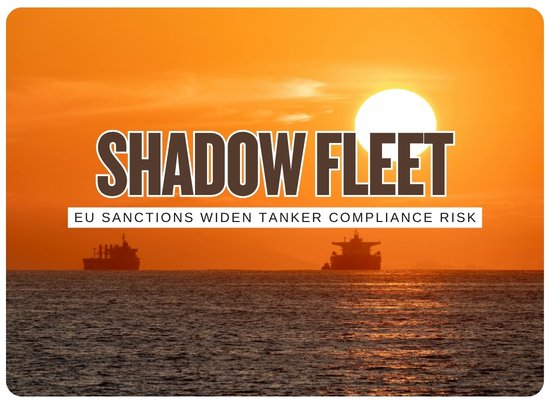
The European Union has agreed its 21st sanctions package against Russia, with the maritime impact centered on more than 40 additional shadow-fleet vessels, new financial-sector restrictions, crypto-related measures, and refinery targets connected to Moscow’s war funding network. EU foreign policy chief Kaja Kallas said the package hits “more than a hundred banks and crypto operators,” “over 40 shadow fleet vessels,” and several refineries in Russia and Belarus, while reporting on the negotiations said EU members also reached a compromise that softened restrictions on Russian LNG cargoes after resistance from Greece. The latest package adds to an expanding maritime enforcement track that already includes EU port-access and service restrictions on designated shadow-fleet ships, tougher due diligence on tanker sales, and earlier 2026 measures designed to stop EU-linked vessels from being transferred into Russian oil-trading networks.
Shadow-fleet screening just became a bigger compliance test
The new EU package expands vessel risk, service restrictions, finance exposure, and trading scrutiny around Russian oil logistics.
More than 40 additional shadow-fleet vessels are being targeted, raising screening pressure for ports, brokers, insurers, and suppliers.
Bunkering, management, crewing, finance, agency, insurance, and repair support can become sensitive if a vessel is sanctioned or linked to evasion.
EU rules already tightened tanker-sale safeguards to reduce the risk that older ships are transferred into Russian end-use networks.
Russian gas cargo treatment remains politically sensitive, creating a split between crude shadow-fleet pressure and LNG trade compromise.
Opaque ownership, dark activity, flag changes, and ship-to-ship transfers are likely to attract sharper compliance attention.
EU shadow-fleet sanctions signal map
The table converts the latest Russia sanctions package into practical signals for maritime operators, ports, brokers, insurers, banks, and bunker suppliers.
| Signal | Current status | Commercial effect | Operator read | Next item to watch | Level |
|---|---|---|---|---|---|
| New vessel listings | More than 40 shadow-fleet vessels are targeted in the latest package. | Port calls, bunkers, insurance, agency, and finance support become harder. | Vessel-name screening must be updated before each fixture and service call. | Official list publication and IMO number matching. | High |
| Bank and crypto measures | More than 100 banks and crypto operators are included in the package. | Payment channels tied to Russian trade face added disruption. | Counterparty and payment-route checks matter as much as vessel screening. | Payment failures, compliance holds, and bank de-risking. | High |
| Service restrictions | EU policy already restricts port access and maritime services for designated vessels. | Support providers may be exposed if they assist a listed or evasion-linked ship. | Agents, bunker suppliers, repairers, and managers need documented clearance steps. | Port circulars and service-provider compliance notices. | Watch |
| Tanker resale safeguards | EU rules tightened due diligence and contract clauses for tanker sales. | Older tanker exits now carry end-use and resale compliance risk. | Sale contracts should address Russian use, transfer, and sanctions warranties. | Buyer identity, beneficial ownership, and resale chain. | Watch |
| LNG compromise | Russian gas cargo restrictions were softened during negotiations. | Crude shadow-fleet enforcement remains sharper than LNG cargo treatment. | Energy sanctions are not uniform across oil, LNG, ships, and services. | Future LNG language and Arc7 tanker treatment. | Medium |
| STS and AIS behavior | Dark activity, ship-to-ship transfers, flag changes, and opaque ownership remain red flags. | Risk can attach even before a vessel appears in a headline. | Behavioral screening should sit beside sanctions-list screening. | Pattern-of-life data, flag verification, and STS locations. | High |
Shadow Fleet Exposure Meter
A practical tool for estimating sanctions exposure around vessel identity, cargo origin, ownership opacity, AIS behavior, ship-to-ship activity, and service support.
This file sits in an elevated review zone. The vessel, cargo, ownership chain, and planned service should be checked before any commitment.
We welcome your feedback, suggestions, corrections, and ideas for enhancements.
Please click here to get in touch