China Opens Pinglu Canal, Creating New 5,000-Tonne Shipping Gateway to Beibu Gulf
🔔 Subscribe to ShipUniverse Weekly →
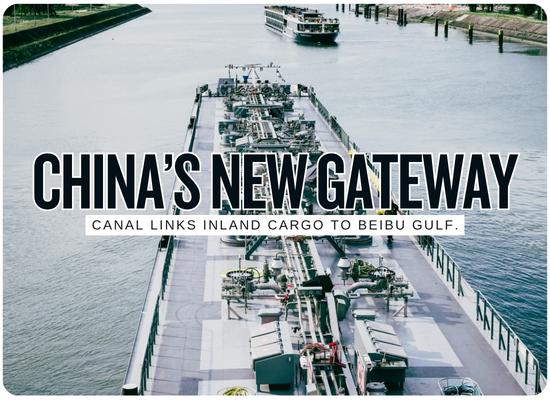
China officially opened the 134.2-kilometer Pinglu Canal to navigation on September 16, creating a direct river-to-sea route from Guangxi and southwest China to the Beibu Gulf and Southeast Asian shipping lanes. Built at a reported cost of about 72.7 billion yuan, the canal can handle vessels of up to 5,000 tonnes and removes more than 560 kilometers from the inland-waterway journey previously required for cargo moving east through the Xijiang system toward the Pearl River Delta. Two freight services launched with the opening, linking Nanning with Can Tho in Vietnam and Yangpu in Hainan, while about 30 cargo vessels carrying containers and bulk commodities were reported using the canal on its first day. The waterway has entered a one-year trial operating period running through September 15, 2027.
The Pinglu Canal redirects southwest Chinese cargo south toward the Beibu Gulf instead of sending it east through the Xijiang and Pearl River Delta before reaching the sea.
Pinglu Canal Trade Route Board
The new waterway changes the direction of southwest China's inland shipping by connecting the Xijiang network directly with Beibu Gulf maritime services.
| Flow | Route | Change | Vessel / Cargo Profile | Port Connection | Commercial Effect |
|---|---|---|---|---|---|
| Traditional Southwest Route LONGER ROUTE | Southwest inland waterways → Xijiang River → Pearl River Delta → Guangzhou-area sea access. | Cargo effectively traveled east before turning toward international maritime routes. | Inland barges, bulk cargo and container traffic feeding the lower Xijiang and Pearl River system. | Greater reliance on Guangdong and Pearl River Delta gateways for waterborne sea access. | Longer inland sailing distance and higher transport cost for cargo whose ultimate markets lie south toward ASEAN. |
| Pinglu Direct Route 560+ KM SHORTER | Xijiang network → Pinglu Canal → Qinzhou → Beibu Gulf. | Opens a direct southern route from inland Guangxi and connected western provinces to the sea. | Up to 5,000-tonne vessels, with both container and bulk cargo expected to form major traffic segments. | Links directly into Qinzhou and the wider Beibu Gulf Port shipping network. | Authorities estimate logistics costs can fall 18% to 30%, depending on cargo origin, destination and transport chain. |
| Nanning → Can Tho NEW INTERNATIONAL SERVICE | Nanning Port → Pinglu Canal → Beibu Gulf → Can Tho, Vietnam. | First direct foreign-trade service launched with canal operations. | Initial cargo included automotive components, plywood and freight assembled from Guangxi, Sichuan and Chongqing. | Connects inland Chinese manufacturing centers directly with Vietnamese and wider ASEAN maritime markets. | Establishes a practical river-sea export chain instead of relying solely on rail, road or eastbound inland-waterway movements. |
| Nanning → Yangpu NEW DOMESTIC SERVICE | Nanning Port → Pinglu Canal → Beibu Gulf → Yangpu, Hainan. | New domestic river-sea freight link launched on opening day. | Designed to support mixed container and bulk flows between inland Guangxi and Hainan. | Connects Pinglu traffic with Yangpu's coastal and international shipping services. | Broadens coastal transshipment and feeder options for cargo entering the Beibu Gulf from inland China. |
Pinglu Route Savings Analyzer
Model the distance, sailing-time and logistics-cost effect of replacing part of a traditional southwest China inland-waterway route with the new Pinglu Canal corridor.
We welcome your feedback, suggestions, corrections, and ideas for enhancements.
Please click here to get in touch