LNG Shipping Enters a Fleet Shakeup as SK Shipping Expands
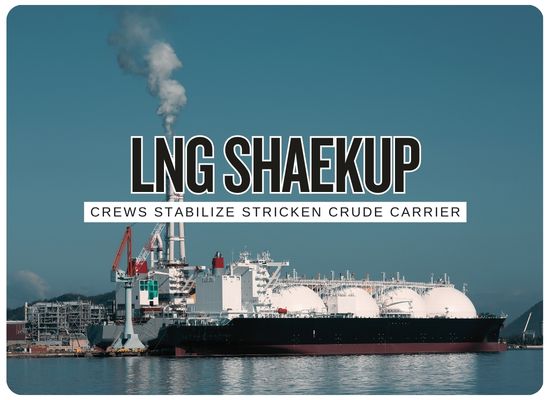
The LNG carrier market is moving through a sharp reset as South Korea’s SK Shipping prepares to become Asia’s largest LNG carrier operator through an asset swap with H-Line Shipping. Under the transaction announced by Hahn & Co., SK Shipping will take 16 LNG vessels and related long-term contracts from H-Line, while H-Line will receive 12 tankers, long-term contracts and about $300 million in cash. After the reshuffle, SK Shipping is expected to operate 32 LNG carriers and 14 LPG vessels, becoming the third-largest LNG carrier operator globally, with Hahn & Co. planning to rebrand the company as K-LNG. The deal lands at a difficult but active moment for LNG shipping: new carrier orders are rebounding, U.S. LNG growth is creating longer-haul shipping demand, older steam vessels are under pressure, and the Middle East conflict has added major uncertainty to Hormuz-linked LNG flows, freight rates and project-linked vessel deployment.
LNG Shipping Moves Into a Bigger Scale and Volatility Cycle
Fleet consolidation, newbuild deliveries, U.S. LNG growth and Middle East risk are pulling the LNG carrier market in different directions.
SK Shipping Scale Shift
SK Shipping is set to become Asia’s largest LNG carrier operator after taking 16 LNG carriers and long-term contracts from H-Line Shipping.
Long-Term Contract Base
The asset swap is built around vessels and related long-term contracts, giving the enlarged fleet more visible employment than a spot-led strategy.
Newbuild Delivery Wave
Record LNG carrier deliveries in 2026 can pressure older vessels, especially steam turbine and less efficient tonnage coming off charter.
U.S. LNG Ton-Mile Growth
Flexible U.S. LNG exports can create longer voyages, more diversions and higher vessel demand when cargoes move toward Asia.
Hormuz and Red Sea Risk
Middle East disruption can raise prices and freight volatility, but it can also remove LNG supply from the market and weaken shipping demand.
Operator Readout
The LNG carrier outlook is not a simple bullish or bearish call. Modern, efficient, contracted LNG carriers remain in demand, while older vessels face tougher economics as newbuilds arrive and emissions rules tighten. Fleet scale, charter coverage, propulsion type, boil-off performance, trading flexibility and route exposure are becoming the real dividing lines.
LNG Carrier Market Reset Board
SK Shipping’s fleet expansion is happening as LNG shipping balances new supply growth against heavy carrier deliveries and route disruption.
The LNG carrier market is split between two forces. Long-term LNG demand and new export capacity support the need for more modern ships, especially efficient two-stroke vessels tied to project cargoes. At the same time, a large orderbook and heavy 2026 delivery schedule can pressure rates if export projects slip, older ships remain in service, or Qatari and Middle East flows stay disrupted.
Expected SK Shipping LNG carrier fleet after receiving 16 LNG vessels and related contracts from H-Line Shipping.
SK Shipping is expected to become the third-largest LNG carrier operator globally after the asset swap.
Expected LNG carrier deliveries in 2026, according to Poten & Partners and Drewry figures.
Drewry’s reported LNG shipping orderbook count, including LNG carriers, LNG bunkering vessels, FSRUs and FLNGs.
LNG Carrier Outlook Table
| Market Signal | Latest Development | Commercial Meaning | Stakeholders Affected | Watch Level |
|---|---|---|---|---|
| SK Shipping scale-up | SK Shipping will receive 16 LNG carriers and long-term contracts from H-Line Shipping. | Asia gains a larger LNG carrier platform with greater fleet scale, contract coverage and gas-shipping focus. | Charterers, Korean banks, ship managers, gas traders, shipyards | High |
| K-LNG rebrand | Hahn & Co. plans to rebrand SK Shipping as K-LNG after the reshuffle. | The rebrand signals a strategic pivot from mixed shipping exposure toward a focused gas-carrier platform. | Investors, LNG buyers, insurers, lenders, commercial managers | Positive |
| Order rebound | 35 LNG carrier orders in Q1 2026, nearly matching the full-year 2025 total of 37. | Owners are ordering again to secure efficient ships for U.S., Africa, Canada, Qatar and other LNG supply growth. | Korean yards, Chinese yards, GTT, engine makers, containment suppliers | High |
| Heavy deliveries | Analysts expect a record 90 to 100 LNG carrier deliveries in 2026. | Modern ships arriving before delayed projects start could create sublet pressure and soften freight rates. | Owners, pools, charterers, lenders, brokers | Watch |
| Older-vessel pressure | Drewry expects 18 to 20 LNG carriers to be scrapped in 2026, but says scrapping will not fully balance surplus. | Steam and older diesel-electric vessels may face lower utilization, lay-up decisions or earlier recycling. | Older LNGC owners, cash buyers, class societies, ship recyclers | Medium |
| U.S. LNG expansion | More than 120 mtpa of new U.S. LNG supply coming to market over the next 3 to 4 years. | Flexible U.S. cargoes can increase ton-miles when buyers divert cargoes across basins or chase seasonal spreads. | U.S. exporters, LNG traders, charterers, Panama route planners | High |
| Middle East disruption | July Asia LNG prices rising as Hormuz and Red Sea disruption lifted risk premiums and freight volatility. | Route risk can support rates in the short term, but lost LNG supply can reduce cargo volumes if the crisis persists. | Qatar-linked fleets, Gulf exporters, buyers in Asia and Europe, underwriters | High |
| Shipbuilding bottleneck | Wood Mackenzie warned that LNG expansion depends heavily on ships built in South Korea and China. | The LNG supply chain remains exposed to yard slots, containment-system availability, engine supply and delivery timing. | Shipyards, developers, charterers, banks, liquefaction project sponsors | Watch |
Planning note: The clearest winner is the modern, efficient, contracted LNG carrier. The pressure point is the older or uncommitted ship that meets a wave of new deliveries before all delayed LNG export projects are ready.
LNG Carrier Market Pressure Estimator
Estimate whether an LNG carrier outlook is supported by ton-mile demand, charter coverage, newbuild supply and older-vessel pressure.
Editorial score based on modern fleet share, charter cover, ton-mile support and market drag.
Estimated annual upside from spot rate above base case on exposed days.
Approximate number of vessels protected by long-term charter coverage.
Estimated pressure from newbuild deliveries, older vessels and route disruption.
The modeled fleet benefits from scale, modern vessels and long-term cover, despite market volatility.
Contracted modern fleet favoredThis tool is for editorial and commercial sensitivity only. It does not replace live broker quotes, charter-party analysis, project cargo schedules, vessel databases, class records, ship finance models, LNG sales contracts, sanctions review, insurance terms, or professional market forecasting.
We welcome your feedback, suggestions, corrections, and ideas for enhancements.
Please click here to get in touch