Red Sea Deaths and Gulf of Oman Strike Push Maritime Risk Into a New Phase
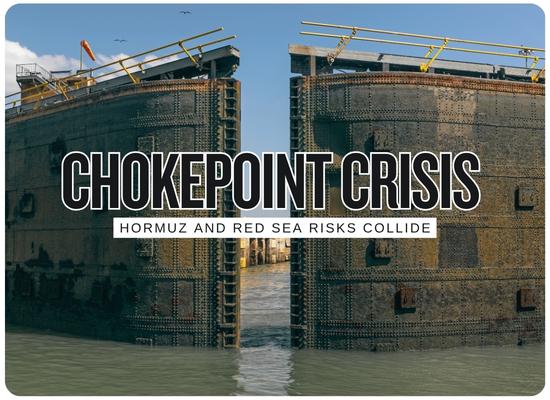
A deadly Red Sea attack and a separate U.S. strike in the Gulf of Oman have turned the Iran and Hormuz shipping crisis into a two-chokepoint security event. The Red Sea incident centered on the Egyptian-owned cargo ship Tihamah in the Bab el-Mandeb, where four crew members and two Yemeni rescuers were reported killed after a Houthi attack. In the Gulf of Oman, U.S. forces disabled the Panama-flagged container ship Vela Nova after saying the vessel was attempting to sail toward an Iranian port in violation of the blockade. At the same time, tracked vessel movement through the Strait of Hormuz fell to a one-week low, with only eight vessels counted Tuesday against pre-war daily traffic that had been roughly 130 to 140 ships. The combined picture is a maritime security crisis spreading across Hormuz, the Gulf of Oman, Bab el-Mandeb, the Red Sea, energy markets, war-risk insurance, crew safety, and container routing.
Ship Universe Security Update
Operator Impact Snapshot
Hormuz is thin, Bab el-Mandeb has turned deadly again, and the Gulf of Oman blockade now includes another disabled container ship.
The latest developments connect three separate operating problems into one maritime risk picture: a lethal Red Sea attack, a U.S. interdiction in the Gulf of Oman, and sharply reduced Hormuz traffic.
Red Sea crew-fatality risk
The Tihamah attack makes the Bab el-Mandeb security picture more serious because the reported deaths include both crew members and rescuers.
Gulf of Oman blockade enforcement
The Vela Nova strike shows that container ships, not only tankers, can now be pulled into the Iran-port compliance and interdiction zone.
Hormuz traffic contraction
Eight tracked vessels through Hormuz is a weak traffic signal compared with both the recent 10-day average and pre-war daily movement.
Oil-market reaction
Crude prices rose as traders weighed fresh attacks, lower transits, supply disruption risk, and stalled diplomatic signals.
Two-chokepoint exposure
Owners cannot look at Hormuz and the Red Sea separately anymore. The same voyage plan may now carry Gulf, Red Sea, Suez, Cape routing, bunker, insurance, and crew-risk consequences.
Commercial Reading
The operating picture is becoming less about one closed route and more about overlapping restrictions, attacks, naval enforcement, crew exposure, and risk-priced freight.
- Tankers: Hormuz remains the key oil and gas pressure point, especially for Gulf exports, Persian Gulf liftings, and charter-party risk language.
- Container lines: the Vela Nova incident pulls liner operators deeper into blockade-compliance risk if routing, port history, ownership, cargo, or destination raises questions.
- Bulk carriers: the limited Hormuz exit count and reported coal-carrier movement show that dry bulk is not outside the risk map.
- Crew managers: the Red Sea fatalities raise the human-cost side of routing decisions, not just the insurance and fuel-cost side.
- Insurers: war-risk, kidnap and ransom, crew injury, salvage, loss-of-hire, cargo delay, and sanctions-compliance files now overlap more tightly.
Chokepoint Security Board
Red Sea Fatalities, Gulf of Oman Strike, and Hormuz Traffic Collapse
The latest data points show a maritime crisis that is now spreading across vessel security, energy flows, naval enforcement, and insurance pricing.
Latest Situation Numbers
Four crew members and two Yemeni rescuers were reported killed after the attack involving the Tihamah.
Traffic fell below the 10-day average of about 12 vessels and marked the lowest count in roughly a week.
Daily vessel movement through the strait had been far higher before the current war-period closure and restrictions.
Traffic through the southern Red Sea chokepoint was reported above its 10-day average, despite the new attack risk.
Reports said all crew were accounted for after the U.S. strike disabled the vessel.
Operator Table
| Issue Area | Latest Detail | Commercial Effect | Stakeholder Move | Pressure Meter |
|---|---|---|---|---|
| Red Sea Attack Tihamah in Bab el-Mandeb | Four crew and two rescuers were reported killed after a Houthi attack on the Egyptian-owned cargo ship. | Crew-risk, rescue-risk, war-risk premiums, voyage refusal, and rerouting decisions move higher. | Recheck crew consent processes, armed-guard policies, BMP procedures, insurance declarations, and rescue coordination assumptions. |
Severe
|
| Gulf of Oman Strike Vela Nova disabled | U.S. forces disabled a Panama-flagged container ship after saying it was attempting to sail toward an Iranian port. | Container, feeder, multipurpose and cargo ships now face closer blockade-compliance scrutiny, not only tankers. | Screen destination, cargo documentation, prior port calls, beneficial ownership, charterer identity, and operator instructions before Gulf routing. |
High
|
| Hormuz Traffic One-week low | Only eight tracked vessels moved through Hormuz Tuesday, far below the pre-war 130 to 140 daily vessel reference level. | Lower transits can tighten Gulf liftings, raise bunker and freight uncertainty, and complicate refinery and LNG supply planning. | Treat fixture timing, laycan windows, war-risk approval, bunker planning, and alternative discharge options as live variables. |
High
|
| Bab el-Mandeb Flow Traffic higher but risk higher | Thirty transits were reported through Bab el-Mandeb, above the 10-day average, even as the Red Sea attack raised risk. | Some ships may still be moving, but the risk profile can change faster than daily traffic counts suggest. | Watch insurer instructions, flag guidance, security alerts, vessel nationality, ownership links, and port-call history. |
High
|
| Energy Market Oil price sensitivity | Oil prices rose as the attacks and stalled talks renewed concern over Middle East supply disruption. | Fuel, bunker, freight, inventory, and voyage-cost assumptions can move before physical supply shortages are confirmed. | Refresh voyage P&L models with bunker sensitivity, Cape routing, delay days, canal cost, and surcharge triggers. |
Medium High
|
| Advisory Environment MARAD active advisories | Active advisories remain in place for the Hormuz and Gulf of Oman threat area, as well as the Red Sea and Bab el-Mandeb threat area. | Voyage planning now needs documented security decisions, not only commercial routing decisions. | Keep a dated file of notices, master instructions, risk assessments, routing decisions, insurer approvals, and charterer communications. |
High
|
Hormuz and Red Sea Voyage Risk Calculator
Estimate extra voyage cost, delay exposure, security pressure, and route decision risk during a two-chokepoint crisis.
This tool helps operators compare a risky transit against a longer reroute when Hormuz, the Gulf of Oman, Bab el-Mandeb, and the Red Sea are all part of the same security picture.
War-Risk Premium Estimate
$937,500
Modeled additional premium using vessel value and selected war-risk percentage.
Delay and Hire Exposure
$495,000
Estimated cost of extra waiting, slow steaming, rerouting, or schedule disruption.
Extra Bunker Exposure
$342,000
Estimated additional fuel cost tied to reroute days or operational disruption.
Total Modeled Exposure
$1.9M
War-risk premium, delay cost, bunker exposure, and security or compliance cost.
Route Decision Signal
The model shows elevated voyage risk. Senior commercial, legal, insurance, security, and crewing review should happen before commitment.
We welcome your feedback, suggestions, corrections, and ideas for enhancements.
Please click here to get in touch