
🔔 Subscribe to ShipUniverse Weekly →
The fastest fuel-saving project may already be underwater
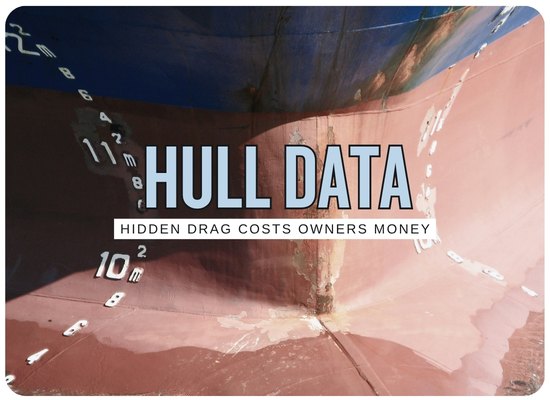
Hull performance monitoring turns fouling, coating condition, propeller loss, speed penalty, and cleaning timing into measurable commercial signals. It gives owners a way to cut fuel and emissions now, while alternative-fuel decisions remain expensive, uncertain, and vessel-specific.
The decarbonization tool owners keep overlooking
Alternative fuels matter, but they are not the only path to lower emissions. A vessel with a fouled hull, rough coating, damaged propeller, poor trim discipline, or weak speed-power monitoring can burn extra fuel long before a fuel transition decision arrives. Hull performance monitoring helps owners find that waste by comparing actual vessel performance against a corrected baseline.
Owner takeaway: Hull performance monitoring pays when it turns underwater condition into a management decision. If the data only confirms a problem after the fuel has already been burned, the fleet is still reacting too late.
6 places hull performance monitoring creates value
Cleaning decisions based on money, not habit
Many fleets clean too late because the cost is visible and the drag penalty is hidden. Others clean too early because the schedule is based on fixed intervals instead of actual performance loss. Hull performance monitoring helps owners compare the cost of cleaning against the fuel and carbon cost of waiting.
- Commercial gain Cleaning can be scheduled when the fuel penalty is large enough to justify the cost.
- Weak practice Cleaning only when divers report heavy fouling, a charterer complains, or drydock is already near.
- Better signal Speed loss, excess power demand, fuel deviation, idle history, water temperature, trading area, and coating age.
- Management test Can the superintendent explain the next cleaning date with numbers rather than habit?
Coating performance that can be verified
A coating claim is only useful if the owner can measure whether it is protecting the vessel’s speed and fuel profile. Hull performance monitoring helps compare coating systems, drydock quality, trading area impact, idle exposure, and degradation trend. That matters when owners negotiate coating warranties, prepare the next drydock scope, or defend fuel performance to charterers.
- Commercial gain Better coating selection and stronger warranty conversations.
- Weak practice Choosing coating systems from brochure savings or previous fleet habit without vessel-specific proof.
- Better signal Pre-drydock baseline, post-drydock speed-power curve, fouling trend, underwater photos, cleaning records, and idle pattern.
- Management test Did the coating reduce speed loss, or did the vessel simply benefit from a fresh drydock for a short period?
Propeller problems hidden inside fuel reports
Propeller roughness, edge damage, cavitation marks, poor polishing, bent tips, or inefficient propeller-hull interaction can quietly raise fuel burn. Noon reports may show the symptom, but hull performance monitoring can help isolate whether the loss is coming from hull fouling, propeller condition, weather, loading condition, or engine operation.
- Commercial gain Earlier propeller polishing, repair, or retrofit decisions with better payback evidence.
- Weak practice Treating all excess consumption as a hull or weather issue.
- Better signal Shaft power, RPM, slip, speed-through-water, torque, propeller inspection, vibration, and fuel trend.
- Management test Is the vessel using more power because the hull is dirty, the propeller is weak, or the operating condition changed?
Charter performance claims with a stronger evidence file
Hull condition often becomes a charter dispute after the voyage has already gone wrong. Owners may claim idling caused fouling. Charterers may claim the vessel was delivered in poor condition. Monitoring gives both sides a better record of speed loss, waiting time, hull condition, cleaning timing, and performance exceptions.
- Commercial gain Cleaner performance discussions and stronger defense against unsupported underperformance claims.
- Weak practice Rebuilding the hull-performance story from scattered noon reports, emails, and diver photos after a dispute begins.
- Better signal Delivery condition, idle days, fouling trend, cleaning history, speed-consumption curve, weather correction, and voyage profile.
- Management test Can the owner separate hull degradation from charterer employment, weather, draft, trim, and speed instruction?
CII and carbon exposure reduced without a fuel switch
A cleaner hull lowers fuel use, which lowers emissions. That can help a vessel’s CII trajectory, carbon-cost exposure, cargo-owner reporting story, and charter marketability. It may not replace alternative fuels on a long timeline, but it can reduce emissions now while fuel availability, pricing, engine choices, and contract treatment remain uncertain.
- Commercial gain Lower fuel cost, lower emissions, and better regulatory positioning from a relatively practical operating measure.
- Weak practice Treating CII and carbon exposure as office reporting issues instead of vessel-performance issues.
- Better signal Fuel saved, CO2 avoided, speed loss avoided, EU voyage exposure, CII trend, and charter allocation.
- Management test Is the fleet using hull performance as part of its decarbonization plan, or only as a maintenance task?
Fleet benchmarking that finds the quiet underperformers
Hull performance monitoring becomes more powerful across a fleet. Sister vessels can be compared. Coating systems can be ranked. Cleaning timing can be tested. Ports and idle zones can be flagged. Underperforming ships can be reviewed before buyers, charterers, or regulators force the discussion.
- Commercial gain Better capital allocation across coatings, cleaning, propeller work, drydock timing, and performance software.
- Weak practice Reviewing vessels one at a time without fleet-wide ranking.
- Better signal Normalized speed loss, excess fuel, cleaning payback, idle exposure, coating age, ship type, and route profile.
- Management test Can the technical team identify the five hulls costing the fleet the most fuel this quarter?
Hull performance signals worth tracking
| Signal | Commercial use | Bad reading | Better reading | Decision triggered |
|---|---|---|---|---|
| Speed loss | Shows whether the vessel needs more power to maintain the same speed. | Using speed over ground without correcting current, weather, and loading condition. | Corrected speed-through-water and power data against a baseline. | Cleaning, coating review, performance claim, or propeller inspection. |
| Excess power demand | Shows drag increase before a charterer complains about consumption. | Blaming engine performance without checking hull and propeller condition. | Shaft power, RPM, torque, speed, draft, trim, and weather corrected together. | Technical review or underwater inspection. |
| Idle exposure | Flags fouling risk from warm-water anchorage or long waiting periods. | Counting idle days without considering water temperature and location. | Idle days by region, season, water temperature, and cleaning history. | Inspection or cleaning before the next long voyage. |
| Coating degradation trend | Supports coating selection and warranty discussion. | Using drydock date alone as the coating-health proxy. | Speed-loss trend after cleaning, drydock, and trading-pattern correction. | Next drydock coating decision. |
| Propeller slip and roughness clues | Helps separate propeller penalties from hull fouling penalties. | Assuming all performance loss is hull growth. | Slip, vibration, torque, RPM, inspection photos, and polishing history. | Propeller polishing, repair, or upgrade review. |
| Fuel and carbon penalty | Turns performance loss into money and emissions. | Reporting speed loss without financial impact. | Fuel tonnes, bunker price, CO2, carbon cost, and charter exposure. | Management approval for cleaning or upgrade. |
Practical test: A hull performance program should not end with a chart. It should tell the owner whether to clean, inspect, polish, change coating, challenge a performance claim, adjust speed, or protect a charter clause.
Fleet roles that benefit from the same data
| Team | Data they need | Decision they can improve | Weak handoff |
|---|---|---|---|
| Technical management | Speed loss, excess power, coating status, propeller condition, cleaning history. | Cleaning timing, drydock scope, coating selection, propeller work. | Performance data sits in software but never reaches maintenance planning. |
| Operations | Idle exposure, route, speed profile, weather impact, arrival pressure. | Voyage planning, speed instructions, cleaning before long ballast legs. | Operations sees consumption but not underwater-condition risk. |
| Chartering | Verified speed-consumption curve, hull condition, cleaning record, emissions trend. | Fixture positioning, performance warranties, claims defense, green premium discussion. | Broker description does not match the vessel’s real performance file. |
| Finance | Fuel cost avoided, cleaning cost, carbon cost avoided, payback period. | Budget approval for cleaning, coating, sensors, and performance software. | Cleaning appears as cost without showing avoided fuel and carbon exposure. |
| Compliance | CO2 impact, CII trend, EU voyage exposure, emissions reporting support. | Fleet decarbonization plan and regulatory reporting quality. | Hull performance is not linked to CII and carbon-cost planning. |
| S&P and asset management | Long-term hull trend, coating quality, fuel performance, buyer-ready evidence. | Vessel valuation, sale timing, retrofit planning, buyer confidence. | Performance history is not packaged for due diligence. |
The data file that makes monitoring useful
- 01. Baseline speed-power curve that shows the vessel’s expected performance in a clean and corrected condition.
- 02. Shaft power or engine-load data to avoid relying only on noon-report consumption claims.
- 03. Speed-through-water and speed-over-ground comparison to separate current effects from hull or propeller loss.
- 04. Draft, trim, cargo condition, and ballast status so performance is not judged against the wrong operating state.
- 05. Weather and wave correction because added resistance in real seas can look like hull degradation if left uncorrected.
- 06. Cleaning, coating, and underwater inspection records to connect performance changes with actual maintenance events.
- 07. Propeller inspection and polishing history because the propeller can cause a meaningful loss even when the hull looks acceptable.
- 08. Fuel price and carbon-cost assumptions so the owner can convert drag into money and emissions exposure.
Performance gate before spending on larger retrofits
Before the owner commits to a major decarbonization retrofit, the vessel should pass through a hull-performance gate.
- Baseline gate: The owner has a credible clean-hull speed-power reference.
- Data gate: The vessel has enough quality data to separate hull, propeller, weather, trim, and engine factors.
- Maintenance gate: Cleaning and propeller work have been optimized before larger capex is approved.
- Commercial gate: Fuel and carbon savings are visible in money terms, not only technical percentages.
- Charter gate: Performance data can support warranties, claims, and emissions discussions.
Hull cleaning payback calculator
This tool helps owners test whether hull or propeller cleaning may pay before larger decarbonization investments. It is a planning screen, not a final engineering calculation.
Hull performance savings screen
Adjust the inputs to see whether cleaning or propeller work looks commercially justified.
Planning note: This simplified tool uses 3.114 tonnes of CO2 per tonne of fuel as a practical estimate. Final decisions should include vessel type, fuel grade, route, weather, cleaning method, coating warranty, local port rules, biofouling regulations, and environmental restrictions on in-water cleaning.
Common mistakes that weaken the program
| Mistake | Result | Correction | Priority |
|---|---|---|---|
| Relying only on noon reports | Too much uncertainty around weather, current, draft, trim, and operating condition. | Add better sensors, data filtering, and corrected performance analysis. | High |
| Cleaning by fixed interval only | Fleet may clean too late or spend too early. | Trigger cleaning by measured speed loss, fuel penalty, route plan, and carbon exposure. | High |
| Ignoring idle locations | Warm-water waiting can create fouling risk faster than expected. | Track idle time by region, temperature, season, and berth or anchorage status. | Medium high |
| Mixing hull and propeller issues together | Owner may clean the hull when the propeller needs attention, or the reverse. | Use slip, shaft power, RPM, vibration, and inspection evidence to separate causes. | High |
| Not converting loss into money | Finance sees cleaning as a cost, not avoided fuel and carbon exposure. | Report fuel tonnes, bunker dollars, CO2, carbon cost, and payback. | High |
| Leaving chartering out | Performance data fails to improve fixture confidence or claims defense. | Package hull-performance evidence for speed-consumption and emissions discussions. | Watch |
The owner mindset shift
Hull performance monitoring should sit between technical management, operations, compliance, finance, and chartering. It is not just a maintenance dashboard. It is a decision tool that can tell an owner when underwater condition is costing money, when a cleaning is justified, when a coating is failing, and when a vessel’s emissions can be reduced without waiting for a major technology transition.
Alternative fuels will remain important, but they are not an excuse to overlook the cheapest tonne of fuel: the tonne the vessel did not need to burn because the hull and propeller were performing properly.