The Ship Now Costs $40 a Barrel: Tanker Shortage Is Stranding Oil in the Americas
🔔 Subscribe to ShipUniverse Weekly →
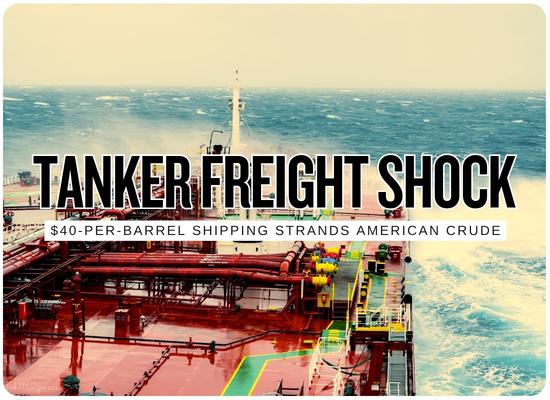
A shortage of available crude tankers is beginning to distort the physical oil market across the Americas, pushing the cost of moving a VLCC cargo from the U.S. Gulf Coast to Asia to more than $80 million, or about $40 per barrel, compared with roughly $10–15 million near the start of 2026. U.S. Gulf-to-Europe transportation recently reached approximately $46 million, or $24.50 per barrel, including ship-to-ship and related costs, versus about $6.5 million and $4 per barrel before the Middle East war began. The freight shock is now contributing to a buildup of heavy crude in Canada, the United States and Latin America even as refiners in Asia and Europe seek precisely those heavier barrels. Canadian, Colombian and Ecuadorian benchmark heavy grades have fallen by more than $10 per barrel over roughly six weeks, while U.S. refiners have little additional capacity to absorb displaced crude.
A Two-Million-Barrel Cargo Now Needs an $80 Million Ship
Freight has stopped being a secondary line item in the crude trade. On key Atlantic-to-Asia routes, transportation itself now determines whether a barrel can economically leave its producing region.
Cheap Oil Is Building Up on the Wrong Side of the Ocean
| Market / Grade | Recent Signal | What Is Happening | Why Freight Matters | Commercial Consequence |
|---|---|---|---|---|
| Western Canada Select | PRICE PRESSURE ~$74/bbl Reuters/Argus indication, excluding freight and insurance. | Canadian production is at record levels while export alternatives remain dependent on long-haul shipping. | A deeply discounted barrel can still become expensive at an Asian refinery once extreme tanker freight is added. | Larger origin discounts and storage pressure if export economics remain closed. |
| Vasconia | 6-WEEK LOW ~$84/bbl One of the key Colombian heavy grades. | Price has fallen by more than $10/bbl over roughly six weeks. | Asia and Europe want heavy feedstock, but the tanker premium reduces the delivered refining advantage. | Sellers may need to surrender more of the crude differential to shipowners. |
| Oriente | PRICE PRESSURE ~$76/bbl Reuters/Argus indication excluding shipping and insurance. | Ecuadorian crude has weakened alongside other American heavy grades. | Freight effectively raises the minimum discount required for the barrel to compete overseas. | Export volumes become increasingly sensitive to tanker availability rather than merely crude demand. |
| Venezuela | EXPORTS DOWN 1.08M b/d September exports fell nearly 9% month over month. | Traders sought larger discounts from PDVSA to compensate for increasing freight. | India and Europe require longer voyages than the U.S., magnifying transport exposure. | September shipments to India and Europe declined while U.S.-bound volumes increased. |
| U.S. Refining System | NEAR CAPACITY ~93.5% YTD Highest average annual utilization in about 28 years, according to Reuters citing EIA. | High diesel margins have encouraged refiners to run hard and consume heavy crude. | Domestic refining therefore cannot simply absorb every barrel prevented from sailing overseas. | Heavy-sour inventories can build despite strong refinery margins and strong end-product demand. |
How Much Must the Oil Discount to Pay for the Ship?
Test whether a discounted crude barrel still competes after extraordinary tanker freight is added to its delivered cost.
We welcome your feedback, suggestions, corrections, and ideas for enhancements.
Please click here to get in touch