India Rewires Its Crude Supply Map as Hormuz Disruption Keeps Middle East Flows Under Pressure
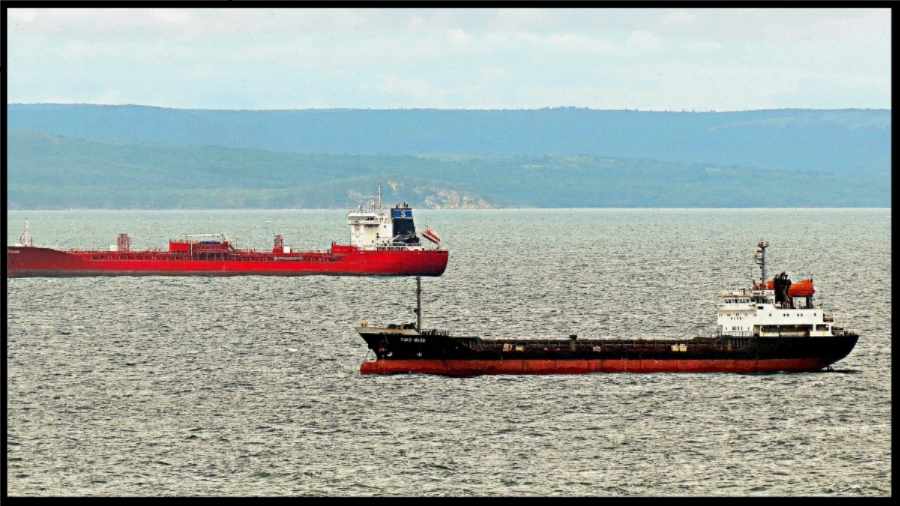
India’s latest crude-buying pattern shows that the Strait of Hormuz disruption is still reshaping real supply decisions, not just market sentiment. Indian refiners have increased purchases from Venezuela, Brazil, Angola and Nigeria during April and May after Middle East shipments were disrupted by the Iran war and constrained transit through Hormuz. Russia remained India’s largest supplier, followed by the UAE and Saudi Arabia, but imports from Kuwait, Iraq, Qatar and Bahrain stayed under pressure because those flows depend more directly on Hormuz. India’s overall crude imports in April held at about 4.57 million barrels per day, but were 15.5% lower than a year earlier, while Venezuela is now on track to become India’s fourth-largest supplier. The immediate picture is that India has not lost access to crude altogether. It has been forced to rebalance its barrel mix toward longer-haul Atlantic Basin cargoes and Gulf producers with bypass options, while the disruption in Hormuz continues to limit simpler sourcing from parts of the Middle East.

Subscribe to the Ship Universe Weekly Newsletter

Operator Impact Snapshot
A quick read on the live commercial pressure points for owners, brokers, traders, insurers and operators.
Freight Exposure
Watch
Longer-haul Atlantic Basin sourcing can support ton-mile demand, but results depend on how long India keeps replacing Gulf barrels.
Insurance Exposure
High
War-risk pricing in the Gulf has already reset voyage economics and remains a live cost variable for exposed ships.
Fuel / Bunker Impact
High
The wider energy shock is still feeding through shipping cost structures and complicating margin protection.
Port / Route Disruption
Medium
Supply is moving, but not freely. Hormuz-related constraints are still reshaping loading decisions and route planning.
Chartering / Asset Values
Watch
If India keeps leaning on Latin American and African crude, tanker positioning and prompt-tonnage demand can stay firmer than normal.
Operator Impact Snapshot
A quick read on the live commercial pressure points for owners, brokers, traders, insurers and operators.
Freight Exposure
Watch
Longer-haul Atlantic Basin sourcing can support ton-mile demand, but results depend on how long India keeps replacing Gulf barrels.
Insurance Exposure
High
War-risk pricing in the Gulf has already reset voyage economics and remains a live cost variable for exposed ships.
Fuel / Bunker Impact
High
The wider energy shock is still feeding through shipping cost structures and complicating margin protection.
Port / Route Disruption
Medium
Supply is moving, but not freely. Hormuz-related constraints are still reshaping loading decisions and route planning.
Chartering / Asset Values
Watch
If India keeps leaning on Latin American and African crude, tanker positioning and prompt-tonnage demand can stay firmer than normal.
India is not losing access to crude. It is paying for a more complicated barrel mix and a wider maritime search radius
The live pattern is a sourcing rewrite: fewer easy Gulf barrels from Hormuz-dependent producers, more Atlantic Basin cargoes, and stronger reliance on suppliers with bypass options or political flexibility.
India crude imports in April
4.57m bpd
Overall imports stayed broadly steady month to month, showing supply replacement rather than outright collapse.
Year-on-year change
-15.5%
Imports were still materially lower than a year earlier, showing the disruption is not cost free.
OPEC share in April
45.2%
India’s OPEC share rose as UAE and Saudi flows held up better than some other Gulf-origin barrels.
War-risk jump seen earlier
0.25% to 3%
Gulf insurance costs had already repriced sharply, leaving a lasting cost signal for exposed voyages.
Pressure lane Current marker Immediate operating read Why it matters now Commercial consequence Next checkpoint
India’s sourcing pivot Refiners have raised purchases from Venezuela, Brazil, Angola and Nigeria during April and May. Atlantic Basin replacement India is actively replacing part of its disrupted Middle East intake with longer-haul barrels. That matters because it turns a Gulf security problem into a freight, scheduling and refining-optimization story. More long-haul cargoes can support tanker demand and stretch voyage economics even if total import volumes stay relatively stable. Watch whether Latin American and African barrels stay elevated into next month or fade if Hormuz conditions improve.
Gulf suppliers under pressure Imports from Kuwait, Iraq, Qatar and Bahrain remained hindered because those flows rely more directly on Hormuz. Route-dependent barrels lose share India is differentiating between Gulf suppliers with bypass resilience and those more exposed to the chokepoint. This matters because not all Middle East barrels are equally affected by the same disruption. Refiners and traders will keep valuing logistics resilience, not just crude quality and headline price. Watch whether Iraq and Kuwait recover share quickly or remain squeezed out by safer supply lines.
UAE and Saudi advantage UAE and Saudi supply rose, helped by routes and infrastructure that reduce direct Hormuz dependence. Bypass value is rising Producers with alternative export paths are gaining strategic value during disruption. That matters because bypass capacity changes who can remain commercially reliable when chokepoints tighten. Owners, charterers and buyers may increasingly treat pipeline-backed export systems as a freight and supply-security premium. Watch whether UAE pipeline expansion and Saudi bypass routes attract even more demand from Asian buyers.
Ton-mile effect Replacing nearby Gulf barrels with Atlantic Basin crude lengthens voyage distance even when India’s overall crude intake remains steady. Distance replaces convenience Shipping demand can strengthen even without a rise in total import volume. This matters because tanker markets respond to ton-miles, not only to flat barrel counts. Longer-haul cargoes can support freight and positioning demand, especially if other Asian refiners follow similar substitution patterns. Watch whether this sourcing pattern becomes broad enough to materially tighten available crude-tonnage supply.
Insurance and voyage economics Gulf war-risk cover had already surged sharply earlier in the conflict, resetting all-in voyage cost for exposed ships. Risk still priced in Even if some cargoes move, operators still carry a materially different cost structure around Gulf exposure. This matters because insurance pressure changes voyage selection, charter appetite and cargo arbitrage. Some barrels can become less attractive simply because the logistics chain around them is more expensive or less insurable. Watch whether insurers rebuild confidence or keep Gulf exposure priced as an exceptional-risk market.
Macro and bunker spillover Maersk has warned the energy crunch can persist for months even after a peace deal, with fuel costs still elevated. Shipping cost tail risk remains The crude-sourcing shift is happening inside a shipping market where bunker and energy costs remain unstable. That matters because freight gains from longer-haul sourcing can be partly offset by higher fuel and wider inflation pressure. Owners and charterers have to evaluate not just route length but margin quality once fuel and insurance are included. Watch whether bunker prices ease fast enough to let longer-haul substitution remain commercially attractive.
Current Read
India’s response is not panic buying. It is rerouted buying. The country is still sourcing crude at scale, but it is doing so with a more complex maritime map that favors Atlantic barrels and Gulf producers with bypass resilience.
India Crude Rewiring Monitor
A compact interactive tool that scores whether the current India import pattern looks like a short disruption workaround or a more durable maritime sourcing shift.
The real commercial question is not only whether India can find barrels. It is whether those barrels keep coming from farther away, under higher insurance and fuel pressure, with enough reliability to reshape tanker demand and refining decisions for longer than the immediate crisis window.
Build the sourcing profile
Rewiring Score
78
Strong shift. India’s crude map looks meaningfully altered, with maritime effects that can remain important even if outright shortage is avoided.
Market posture
Repositioning
The current pattern looks more serious than a brief stopgap and is already affecting voyage economics and sourcing behavior.
Strongest driver
Distance Matters
The clearest maritime effect is not fewer barrels. It is longer-haul barrels replacing easier ones.
Main balancing factor
Bypass Relief
UAE and Saudi bypass capacity softens the blow, but does not remove the need for Atlantic substitution.
Closest live comparison
Current India Import Shift
Your settings match the present market, where India is still supplied, but through a more expensive and more complex maritime map.
Rewiring Read
Current settings point to a meaningful crude-sourcing shift. The strongest maritime signal is that India is defending refinery intake by widening voyage distance and supplier mix, which can support tanker demand even while overall import volumes remain broadly stable.
Score bands
0 to 35
Limited shift. India would still be sourcing close to its normal crude map.
36 to 60
Moderate shift. Some replacement sourcing would be visible, but without large maritime consequences.
61 to 80
Strong shift. India’s import map would be materially altered, with clear freight and route implications.
81 to 100
Major rewiring. The market would be operating on a substantially different supply-and-shipping structure.
Current market read
The live setup sits in the strong-shift band because India has visibly increased Atlantic Basin crude purchases while Hormuz disruption still constrains part of its normal Gulf sourcing mix.
Directional shipping tool only. It is designed to translate the current India crude shift into a maritime-impact score, not to forecast exact freight rates or refinery margins.
We welcome your feedback, suggestions, corrections, and ideas for enhancements. Please click here to get in touch.
By the ShipUniverse Editorial Team — About Us | Contact