India Rewires Its Crude Supply Map as Hormuz Disruption Keeps Middle East Flows Under Pressure
🔔 Subscribe to ShipUniverse Weekly →
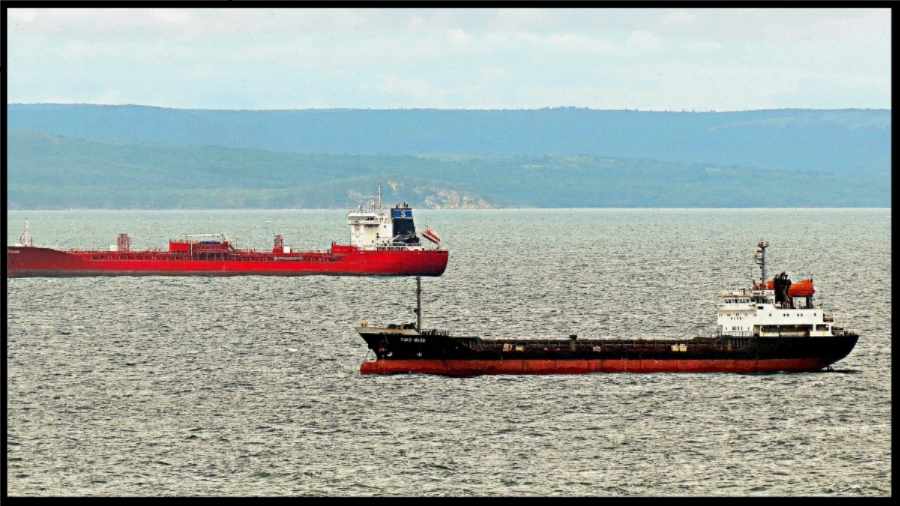
India’s latest crude-buying pattern shows that the Strait of Hormuz disruption is still reshaping real supply decisions, not just market sentiment. Indian refiners have increased purchases from Venezuela, Brazil, Angola and Nigeria during April and May after Middle East shipments were disrupted by the Iran war and constrained transit through Hormuz. Russia remained India’s largest supplier, followed by the UAE and Saudi Arabia, but imports from Kuwait, Iraq, Qatar and Bahrain stayed under pressure because those flows depend more directly on Hormuz. India’s overall crude imports in April held at about 4.57 million barrels per day, but were 15.5% lower than a year earlier, while Venezuela is now on track to become India’s fourth-largest supplier. The immediate picture is that India has not lost access to crude altogether. It has been forced to rebalance its barrel mix toward longer-haul Atlantic Basin cargoes and Gulf producers with bypass options, while the disruption in Hormuz continues to limit simpler sourcing from parts of the Middle East.
| Pressure lane | Current marker | Immediate operating read | Why it matters now | Commercial consequence | Next checkpoint |
|---|---|---|---|---|---|
| India’s sourcing pivot | Refiners have raised purchases from Venezuela, Brazil, Angola and Nigeria during April and May. Atlantic Basin replacement | India is actively replacing part of its disrupted Middle East intake with longer-haul barrels. | That matters because it turns a Gulf security problem into a freight, scheduling and refining-optimization story. | More long-haul cargoes can support tanker demand and stretch voyage economics even if total import volumes stay relatively stable. | Watch whether Latin American and African barrels stay elevated into next month or fade if Hormuz conditions improve. |
| Gulf suppliers under pressure | Imports from Kuwait, Iraq, Qatar and Bahrain remained hindered because those flows rely more directly on Hormuz. Route-dependent barrels lose share | India is differentiating between Gulf suppliers with bypass resilience and those more exposed to the chokepoint. | This matters because not all Middle East barrels are equally affected by the same disruption. | Refiners and traders will keep valuing logistics resilience, not just crude quality and headline price. | Watch whether Iraq and Kuwait recover share quickly or remain squeezed out by safer supply lines. |
| UAE and Saudi advantage | UAE and Saudi supply rose, helped by routes and infrastructure that reduce direct Hormuz dependence. Bypass value is rising | Producers with alternative export paths are gaining strategic value during disruption. | That matters because bypass capacity changes who can remain commercially reliable when chokepoints tighten. | Owners, charterers and buyers may increasingly treat pipeline-backed export systems as a freight and supply-security premium. | Watch whether UAE pipeline expansion and Saudi bypass routes attract even more demand from Asian buyers. |
| Ton-mile effect | Replacing nearby Gulf barrels with Atlantic Basin crude lengthens voyage distance even when India’s overall crude intake remains steady. Distance replaces convenience | Shipping demand can strengthen even without a rise in total import volume. | This matters because tanker markets respond to ton-miles, not only to flat barrel counts. | Longer-haul cargoes can support freight and positioning demand, especially if other Asian refiners follow similar substitution patterns. | Watch whether this sourcing pattern becomes broad enough to materially tighten available crude-tonnage supply. |
| Insurance and voyage economics | Gulf war-risk cover had already surged sharply earlier in the conflict, resetting all-in voyage cost for exposed ships. Risk still priced in | Even if some cargoes move, operators still carry a materially different cost structure around Gulf exposure. | This matters because insurance pressure changes voyage selection, charter appetite and cargo arbitrage. | Some barrels can become less attractive simply because the logistics chain around them is more expensive or less insurable. | Watch whether insurers rebuild confidence or keep Gulf exposure priced as an exceptional-risk market. |
| Macro and bunker spillover | Maersk has warned the energy crunch can persist for months even after a peace deal, with fuel costs still elevated. Shipping cost tail risk remains | The crude-sourcing shift is happening inside a shipping market where bunker and energy costs remain unstable. | That matters because freight gains from longer-haul sourcing can be partly offset by higher fuel and wider inflation pressure. | Owners and charterers have to evaluate not just route length but margin quality once fuel and insurance are included. | Watch whether bunker prices ease fast enough to let longer-haul substitution remain commercially attractive. |
We welcome your feedback, suggestions, corrections, and ideas for enhancements. Please click here to get in touch.