Hong Kong Tanker Owner Teying Pivots From a Fast VLCC Profit to a Big China LR2 Newbuild Play
🔔 Subscribe to ShipUniverse Weekly →
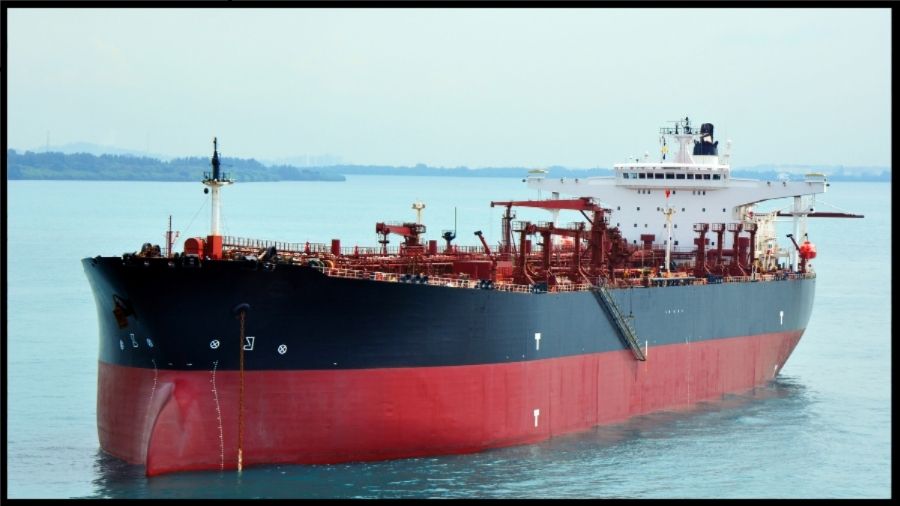
Hong Kong-based Teying Shipping has shifted from a short-cycle crude-tanker asset trade into a much larger long-horizon ordering move in the product-tanker market. The company has contracted four firm 115,000 dwt LR2s with options for four more, split between Lianyungang Wuzhou Shipbuilding Heavy Industry and Lianyungang Helitong Shipbuilding Heavy Industry in China, with deliveries starting from the second quarter of 2028 and market pricing indicated at about $68 million per ship. The move follows the sale of Teying’s sole active vessel, the 2009-built 297,200 dwt VLCC Asian Lion, which was reportedly bought for around $49 million in 2025 and sold less than a year later to Greek buyers for around $60 million. The immediate picture is that Teying has moved away from a profitable one-ship VLCC flip and into a multi-ship LR2 expansion timed into a market where Chinese yards are taking a rising share of tanker contracting and owners are still ordering aggressively despite growing future supply.
| Decision lane | Current marker | Immediate operating read | Importance | Commercial consequence | Next checkpoint |
|---|---|---|---|---|---|
| Strategic pivot | Teying has moved from selling its sole active VLCC into ordering four firm LR2s with four options. Asset flip to fleet build | The company is no longer acting only as a short-cycle tanker trader. It is building a repeatable platform in a specific segment. | That matters because the capital profile changes from opportunistic resale profit into multi-year fleet exposure, yard execution and future chartering risk. | Teying will need to convert good ordering timing into employment, financing and asset-value discipline over a much longer cycle. | Watch whether the owner exercises all four options and whether it adds commercial cover or charter backing before deliveries start. |
| Shipyard choice | The orders are split between Lianyungang Wuzhou Shipbuilding Heavy Industry and Lianyungang Helitong Shipbuilding Heavy Industry. China-centered buildout | Teying is placing its expansion with Chinese yards rather than relying on the traditional Korean tanker route. | This matters because Chinese yards are taking a larger share of current tanker contracting, especially as owners chase slots and seek pricing flexibility. | The owner gets access to a growing Chinese tanker-build ecosystem, while also tying execution quality and delivery timing to yards that are gaining market share quickly. | Watch whether later tanker orders from other private owners keep concentrating in China, reinforcing this as the default path for mid-size tanker expansion. |
| Timing of deliveries | Deliveries are scheduled to start from the second quarter of 2028. Forward-cycle commitment | Teying is not buying immediate earnings power. It is buying into a later-cycle product-tanker market. | That matters because today’s tanker strength does not automatically guarantee the same economics when ships deliver years from now. | The company is effectively betting that LR2 demand, fleet age, and trade-pattern support will still justify delivery slots in 2028 and beyond. | Watch whether product-tanker orderbook growth starts pressuring sentiment before these ships approach delivery. |
| VLCC flip background | Teying reportedly bought the 2009-built Asian Lion for around $49 million in 2025 and sold it for around $60 million less than a year later. Profitable capital recycling | The LR2 move appears to be funded in part by a successful crude-tanker trade rather than only by a pure new capital raise. | This matters because it shows management is reallocating gains from a hot VLCC market into a different tanker segment instead of simply repeating the same trade. | Teying has converted short-term asset profit into longer-term fleet optionality, but also into much greater future execution exposure. | Watch whether the owner continues to sell older tanker positions and recycle capital into newbuilds or starts preserving more liquidity. |
| LR2 market choice | The owner chose 115,000 dwt LR2s rather than staying in the VLCC market after the sale. Mid-size product exposure | Teying is targeting a more flexible segment that can work in both clean and dirty product-linked trades depending on market conditions. | This matters because LR2s sit in a commercially versatile lane, and owners have been using them to balance exposure between product and crude-linked opportunities. | The company gains optionality across more trade patterns, but also takes on a segment where future supply discipline will matter more by delivery. | Watch whether LR2 ordering accelerates further and narrows future upside by the time these ships hit the water. |
| Broader yard and market backdrop | China’s yards are winning more tanker orders while tanker earnings and asset values remain elevated in the current market. Following a wider ordering wave | Teying’s decision is not isolated. It fits into a larger shift of tanker contracting toward Chinese yards during a strong market window. | That matters because the company is entering a segment and shipbuilding geography already attracting heavier owner interest. | If too many owners make the same move, later deliveries may face more competition than the market currently assumes. | Watch Chinese tanker order intake and LR2/product-tanker fundamentals for signs that momentum is becoming crowded rather than selective. |
We welcome your feedback, suggestions, corrections, and ideas for enhancements. Please click here to get in touch.