LNG Tankers Through Hormuz Are Restarting, but the Route Is Still Far From Normal
🔔 Subscribe to ShipUniverse Weekly →
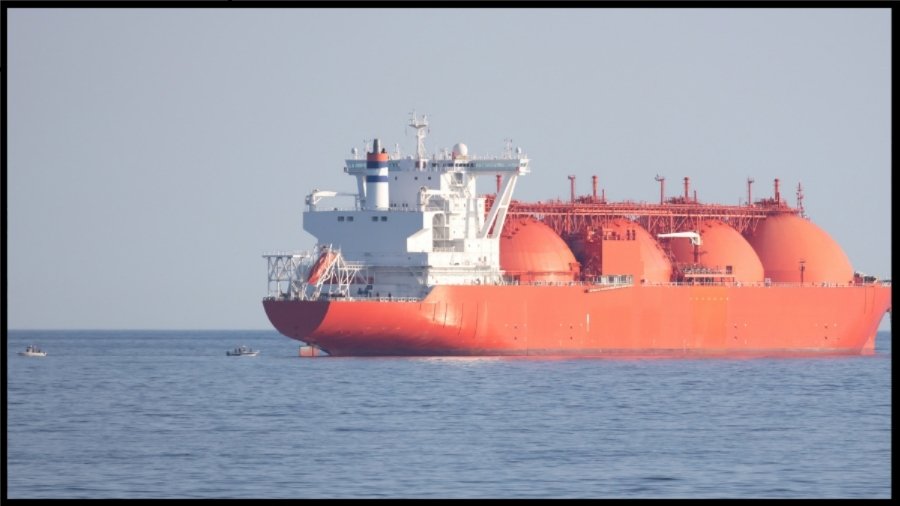
LNG tanker traffic through the Strait of Hormuz has improved from the near-freeze seen earlier in the conflict, but the latest vessel movements still point to a tightly controlled and incomplete restart rather than a normal export pattern. Ship-tracking data now shows a small number of LNG carriers successfully making it out of the Gulf, including three LNG tankers that exited Hormuz heading toward Pakistan and China, among them the QatarEnergy-linked Al Rayyan and the Fuwairit, alongside the ADNOC-managed Al Hamra. Those crossings came after weeks in which LNG movements were repeatedly halted, rerouted or delayed, and they are still occurring under a controlled transit regime with overall daily traffic far below the pre-war norm of roughly 125 to 140 vessels per day. The current picture is that LNG is moving again, but only selectively, with force majeure constraints in Qatar, operational caution among owners, and thousands of stranded seafarers showing that the corridor has not returned to anything close to ordinary commercial flow.
| Pressure lane | Current marker | Immediate operating read | Importance | Commercial consequence | Next checkpoint |
|---|---|---|---|---|---|
| Latest LNG crossings | Three LNG tankers have recently exited Hormuz, including the Fuwairit, QatarEnergy-linked Al Rayyan, and ADNOC-managed Al Hamra. Crossings are happening again | The route is no longer fully frozen for LNG, and selected cargoes are now making it out of the Gulf. | This matters because the market has moved from total stoppage toward controlled resumption, which is a very different risk profile. | Buyers and sellers can begin pricing real physical movement again, but only with heavy caution around vessel selection, routing and timing. | Watch whether the number of LNG departures keeps rising over the next several days or stalls again after this first visible step-up. |
| Controlled transit regime | The new LNG movements are occurring after Iran imposed a managed transit system rather than a clean, fully open commercial passage regime. Passage is conditional | Movement depends on an operating framework that remains political and discretionary, not purely maritime. | That matters because vessel movement can still be uneven, selective and subject to policy shifts rather than straightforward freedom of navigation. | Charterers and ship managers still need to treat every transit as a special-risk decision instead of assuming routine Gulf scheduling has resumed. | Watch whether more cargoes receive safe-passage arrangements and whether transit rules become more transparent or remain opaque. |
| Qatar supply constraint | Even if Hormuz movement improves, force majeure and plant disruption in Qatar continue to limit how much LNG is actually available to ship. Cargo availability still capped | Vessel access and cargo availability are now two separate constraints, and both still matter. | This matters because more ships crossing does not automatically mean a full commercial recovery in Gulf LNG export volume. | Freight normalization can be slower than transit normalization if fewer cargoes are ready to load than the market would normally expect. | Watch whether Qatar-linked force majeure conditions ease enough to support a broader return of LNG liftings. |
| Traffic still far below normal | Overall daily traffic through Hormuz remains far below the pre-war baseline of roughly 125 to 140 vessels a day. Partial restart only | LNG movement is improving inside a waterway that is still operating at a deeply reduced level overall. | This matters because isolated tanker crossings should not be mistaken for a broad reopening of the strait. | Rates, insurance, bunker planning and voyage risk assessments can all remain elevated even as some vessels get through. | Watch whether daily crossing counts begin trending consistently upward or stay trapped in a narrow controlled range. |
| Owner behavior and AIS discipline | Earlier in the month, LNG carrier traffic began improving only after reversals in dark-transit instructions and after specific vessel clearances started appearing. Operating caution remains high | Shipowners are still managing Hormuz as a live security environment, not a normalized trade lane. | This matters because shipping behavior is still being shaped by risk protocols, visibility decisions and corridor-specific agreements. | The effective available fleet for Gulf LNG can remain smaller than the theoretical fleet if owners keep restricting exposure. | Watch whether more operators resume standard AIS and routing behavior or keep using exceptional operating procedures. |
| Import-country impact | The first visible LNG exits are heading toward Pakistan and China, underlining that Asian buyers remain the most immediate receivers of resumed Gulf cargoes. Asia still the first outlet | The reopening pattern so far favors core Asian import routes rather than a broad return across all downstream markets. | This matters because regional allocation of the earliest restored cargoes will shape spot pricing and replacement demand elsewhere. | Buyers outside the first wave of restored movement may still face tighter balances, substitute sourcing or delayed delivery windows. | Watch whether Europe and other Asian buyers start receiving more regular Gulf LNG cargoes again or whether the first restored flows remain concentrated. |
We welcome your feedback, suggestions, corrections, and ideas for enhancements. Please click here to get in touch.