Hormuz Weekend Shipping Watch as Tanker Traffic Slows and Threat Levels Stay Severe
🔔 Subscribe to ShipUniverse Weekly →
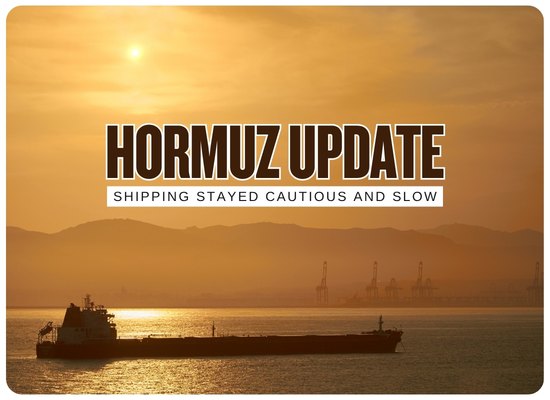
Shipping activity through the Strait of Hormuz stayed well below normal over the weekend as operators continued to move cautiously under a severe threat environment. The latest JMIC update says commercial traffic remained reduced across both the southern Omani corridor and the northern Iranian-controlled route, with U.S.-assisted transits continuing but at lower volumes as companies delayed passages and kept risk controls tight. The same update recorded 15 U.S.-assisted Strait of Hormuz transits over July 16 to 18, with daily counts of 5, 3, and 8, and said traffic remained below pre-conflict norms. Separately, fresh shipping data reported only four vessels transiting on Sunday, down from eight the previous day, while LNG traffic through the strait remained heavily disrupted and laden cargoes continued building into floating storage. JMIC continues to rate the Strait of Hormuz threat level as severe and says neutral transit is still permitted, but vessels should expect visit-and-search checks, strong U.S. naval presence, IRGC monitoring, increased VHF hails, persistent GNSS interference, and continued caution around mine-risk reporting.
Operator Impact Snapshot
This weekend’s operating picture points to continued passage through Hormuz, but under heavier screening, tighter traffic volumes, and a security posture that still treats the strait as a high-risk transit zone rather than a normalized trade lane.
Traffic stayed thin through the weekend
Even with southern-route access still available, the latest weekend flow stayed well below historic norms, with operators continuing to stage, delay, or reassess passages rather than rush back into normal routing behavior.
LNG dislocation is building
Gas cargoes have been affected more sharply than normal tanker movements, with floating storage building as export facilities continue loading while transits remain constrained.
Weekend readout: Hormuz remains commercially active, but the current pattern is still one of controlled movement under severe threat conditions rather than broad operator confidence.
Weekend Hormuz Shipping Table
| Pressure Lane | Current Readout | Latest Weekend Picture | Importance | Who Feels It First | Signal to Watch Next |
|---|---|---|---|---|---|
|
Traffic volume
Throughput remains well below historic averages.
|
High | Official and market updates both show reduced movement through Hormuz, with transits still far below the historical daily norm. | Lower volumes mean caution remains dominant and that many operators still do not view the lane as commercially normalized. | Owners, brokers, charterers, and tanker operators. | Whether daily transits start building consistently rather than bouncing at reduced levels. |
|
Route structure
Southern Omani access remains available, but movement is still tightly watched.
|
Open but guarded | JMIC says the southern route remains available and neutral transit is permitted, though operators should expect checks, hails, and heavy naval presence. | Route availability helps keep trade moving, but screening intensity and security friction still shape timing and confidence. | Transit planners, masters, war-risk desks, and operations teams. | Whether route use broadens again or stays concentrated under escort-like conditions and operator caution. |
|
Threat level
The official operating environment remains severe.
|
Severe | JMIC still assesses deliberate hostile action as highly likely under current conditions in the Strait of Hormuz. | That keeps security assumptions, bridge vigilance, and underwriting posture tighter than in a normal transit market. | Insurers, security teams, masters, and owners. | Any downgrade in the official threat level or sustained drop in incident and boarding intensity. |
|
LNG dislocation
Gas traffic has slowed more sharply than general transits.
|
Watch | No LNG tankers had crossed since Thursday in the latest weekend reporting, while loaded cargoes continued building into floating storage. | This shifts commercial pressure from pure transit counts toward cargo timing, storage, and release behavior once conditions change. | LNG shippers, charterers, traders, and terminal-linked operators. | Whether stored cargoes begin moving quickly on improved conditions or remain stranded longer. |
|
Bridge environment
GNSS interference and VHF interaction remain part of the operating picture.
|
Medium to High | JMIC says GNSS interference persists and vessels should expect increased VHF hails, with monitoring by multiple naval and state actors. | That raises the operational value of disciplined bridge cross-checking and clean transit procedures. | Masters, bridge teams, operators, and navigation auditors. | Whether interference levels and directed hails ease or remain persistent across the approaches. |
|
Congestion and waiting risk
High anchorage density remains in the wider Gulf environment.
|
Watch | JMIC says major Arabian Gulf anchorages remain densely populated, with repositioning still advisable to reduce predictability and maintain safe separation. | Even when the strait is passable, waiting patterns and staging behavior can quietly erode voyage economics. | Operators, suppliers, bunker planners, and scheduling teams. | Whether anchorage density starts easing alongside any broader recovery in transit confidence. |
This weekend table is structured to help maritime stakeholders separate route availability from actual operating comfort, which remains far weaker than normal despite continued transit activity.
Hormuz Transit Stress Estimator
Use this quick planner to estimate which risk lane is carrying the most weight in your current Hormuz exposure profile across transit timing, vessel safety, cargo timing, screening pressure, and fallback strength.
Your current setup suggests direct vessel security risk is the strongest pressure point in the weekend Hormuz environment.
The current mix points to an elevated Hormuz operating profile with limited room for avoidable friction.
Your contingency strength appears to be the area most likely to amplify disruption if conditions deteriorate again.
Transit remains possible, but the current lane still rewards caution, stronger bridge discipline, and tighter commercial planning.
This estimator is for editorial and planning use. It does not calculate actual war-risk premium, transit approval, boarding probability, military escort support, or cargo-specific exposure.
We welcome your feedback, suggestions, corrections, and ideas for enhancements.
Please click here to get in touch