Who’s Winning the Arctic Shipping Race?
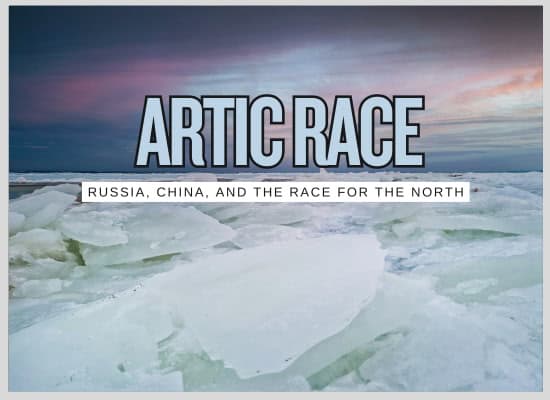
As climate change redraws the Arctic map, what was once an impassable expanse of ice is quickly becoming a high-stakes shipping frontier. The Northern Sea Route, the Northwest Passage, and emerging trans Arctic concepts are no longer just theoretical path, they’re now testbeds for national ambition, logistics innovation, and geopolitical tension.
But not all countries are approaching the Arctic the same way. Some, like Russia, are aggressively scaling up infrastructure and icebreaking capacity. Others, like Canada and the U.S., are moving cautiously, balancing opportunity with environmental responsibility. Meanwhile, China is playing a strategic long game as a “near-Arctic” state, investing in Arctic freight as part of its broader Belt and Road expansion.
This report explores who’s truly active in Arctic shipping in 2025, not just who’s talking about it. Divided into five regions or key players, we break down what they’re building, how much cargo is moving, and where the icy lanes of global trade may be headed next.
We welcome your feedback, suggestions, corrections, and ideas for enhancements. Please click here to get in touch.

🧭 Arctic Shipping: Speed, Savings, and Strategy
Shipping through the Arctic is not just a climate consequence; it’s a logistics advantage in the making. By bypassing traditional chokepoints like the Suez or Panama Canals, vessels using Arctic routes can dramatically shorten travel distances between Asia, Europe, and North America. That means faster deliveries, lower fuel costs, and new opportunities to realign global supply chains.
However, the advantages depend heavily on vessel class, seasonal timing, and geopolitical access. While the routes aren’t yet year-round highways, they’re already offering enough value for energy companies, mining consortia, and national fleets to double down on polar investment.
🇷🇺 Russia Arctic Overview
Russia continues to prioritize the development of the Northern Sea Route (NSR) as a key component of its Arctic strategy, aiming to transform it into a major international shipping corridor. Despite facing challenges such as international sanctions and infrastructure limitations, Russia is investing heavily in infrastructure, fleet expansion, and international partnerships to bolster its Arctic presence.
Regional Developments:
International Partnerships: Russia and China are collaborating to develop new Arctic shipping hubs, aiming to expand their cooperation in Arctic shipping and energy projects.
Northern Sea Route (NSR) Traffic: In 2024, shipping volumes along the NSR reached a record 38 million tons, up from 35 million tons in 2023. However, this figure falls short of the Russian government's target of 80 million tons by 2024.
Infrastructure Investments: Russia is investing in the development and modernization of key Arctic ports, including Murmansk, Arkhangelsk, and Sabetta. Plans are also underway to reconstruct the Dudinka port's berths and build new facilities at the Dikson port.
Icebreaker Fleet Expansion: Russia unveiled its fourth nuclear-powered icebreaker, Yakutia, in December 2024, as part of Project 22220. This vessel enhances Russia's capability to ensure year-round navigation along the NSR.
Arctic LNG Projects: The Arctic LNG 2 plant, located on the Gydan Peninsula and owned 60% by Novatek, commenced production at its second train in May 2025, despite facing challenges due to sanctions and a lack of ice-class gas carriers.
Shipbuilding Initiatives: Russia plans to invest $6 billion to jumpstart domestic shipbuilding, including the construction of 130 high ice-class vessels such as oil and gas tankers and bulk carriers, to further develop Arctic shipping routes.
🇨🇳 China Artic Overview
China, identifying itself as a "near-Arctic state," has been progressively enhancing its presence in the Arctic through strategic investments, scientific research, and shipping initiatives. Central to this endeavor is the development of the "Polar Silk Road," aimed at establishing new maritime trade routes through the Arctic, thereby reducing transit times between Asia and Europe.
Regional Developments:
- Shipping Activities: Chinese shipping companies have been actively utilizing the Northern Sea Route (NSR). For instance, in 2024, NewNew Shipping Line completed thirteen voyages between Shanghai and Arkhangelsk, transporting over 20,000 TEU. Plans are underway to deploy larger ice-capable container ships to expand this service in 2025.
- Infrastructure Investments: China is investing in Arctic infrastructure, including the development of ports and logistics hubs, often in collaboration with Russia. These efforts aim to facilitate increased cargo flow and establish reliable supply chains through the Arctic region.
- Scientific Research: China has been conducting extensive Arctic research, deploying icebreakers like Xue Long and Ji Di for scientific missions. These endeavors not only contribute to global understanding of the Arctic environment but also bolster China's operational capabilities in polar conditions.
- Policy Framework: China's Arctic policy emphasizes sustainable development, environmental protection, and international cooperation. The country seeks to participate in Arctic governance and contribute to the region's peaceful development.
🇨🇦 Canada Artic Overview
Canada, possessing the world's longest Arctic coastline, plays a pivotal role in Arctic maritime activities. The nation emphasizes a balanced approach that prioritizes environmental protection, Indigenous partnerships, and national sovereignty. While the Northwest Passage (NWP) offers potential as a shipping route, Canada focuses more on regional development and sustainable practices than on transforming the NWP into a major global shipping corridor.
Regional Developments:
- Infrastructure Investments: The Canadian government has committed $175 million over five years to support operations and maintenance of the Hudson Bay Railway and pre-development activities at the Port of Churchill. This investment aims to enhance supply chains and economic development in northern Manitoba and Nunavut.
- Policy Framework: Canada's Arctic foreign policy focuses on asserting sovereignty, advancing national interests, and promoting a stable and secure North. The policy addresses challenges posed by climate change and geopolitical competition, emphasizing the need for a strong presence in the Arctic.
- Scientific Research: Canada continues to conduct extensive Arctic research. For instance, the CCGS Amundsen embarked on its annual expedition to the Arctic Ocean on June 27, 2025, facilitating studies on marine and coastal environments.
🇺🇸 United States Arctic Overview
The United States is intensifying its focus on the Arctic, recognizing the region's growing strategic importance due to climate change, emerging shipping routes, and geopolitical competition. With Alaska providing direct access to Arctic waters, the U.S. is investing in infrastructure, enhancing its icebreaking capabilities, and updating its Arctic policies to address both economic opportunities and environmental challenges.
Key Developments:
- Port of Nome Expansion: The U.S. Army Corps of Engineers has approved a significant expansion of the Port of Nome, aiming to transform it into the nation's first deep-draft Arctic port. This project is expected to improve access for larger vessels, bolster regional economic development, and enhance the U.S.'s strategic presence in the Arctic.
- Icebreaker Fleet Enhancement: Recognizing the need for a robust icebreaking fleet, the U.S. Coast Guard is advancing the Polar Security Cutter program. Additionally, partnerships with Finnish shipbuilders have been established to expedite the production of icebreakers, aiming to address the current shortfall and ensure year-round Arctic operational capability.
- Updated Arctic Strategy: The 2022 National Strategy for the Arctic Region outlines the U.S.'s commitment to security, sustainable economic development, environmental protection, and international cooperation. This strategy emphasizes the importance of a peaceful, stable, and prosperous Arctic, aligning national interests with those of Arctic and non-Arctic stakeholders.
- Scientific Research Initiatives: The U.S. continues to invest in Arctic research, with the NOAA's Arctic Research Program conducting extensive studies on climate change impacts, ecosystem dynamics, and maritime safety. These efforts are crucial for informed policymaking and sustainable development in the region.
🇳🇴 Norway Artic Overview
Norway isn’t trying to dominate Arctic sea lanes like Russia or rebrand itself as a “near-Arctic power” like China. Instead, it’s laser-focused on becoming the logistical brain and launchpad for future Arctic shipping — through a mix of smart port investments, climate-aligned shipping policies, and regional cooperation.
While Norway doesn’t control a trans-Arctic route like the Northern Sea Route or the Northwest Passage, it strategically owns the front door to Arctic Europe via ports like Kirkenes and Tromsø, and supports infrastructure like the planned Arctic Corridor rail link that would connect Northern Finland directly to ice-free Norwegian ports.
🌍 The Race Beneath the Ice
The Arctic is no longer a blank spot on the map — it’s a shifting chessboard of infrastructure, policy, and ambition. From Russia’s ice-strengthened megafleet and LNG corridors to China’s quiet buildup of container services, and from Canada’s sovereignty-driven stewardship to the U.S.’s long-awaited port expansions — each player is staking its claim not just in ice, but in influence.
Yet this isn’t a winner-take-all race. Arctic shipping remains seasonal, high-risk, and technically demanding. Climate volatility, regulatory scrutiny, and logistical bottlenecks still limit widespread adoption. But the investments being made today — in icebreakers, ports, and policy — suggest that those who establish early footholds will shape the next era of northern trade.
For shipowners, cargo planners, and maritime strategists, now is the time to watch the ice — and the maps — carefully. The routes may be frozen today, but the geopolitical momentum is unmistakably warming.