Morgan Stanley Sees Multi-Year Vessel Shortage Across Tanker, LNG and Energy Shipping Markets
🔔 Subscribe to ShipUniverse Weekly →
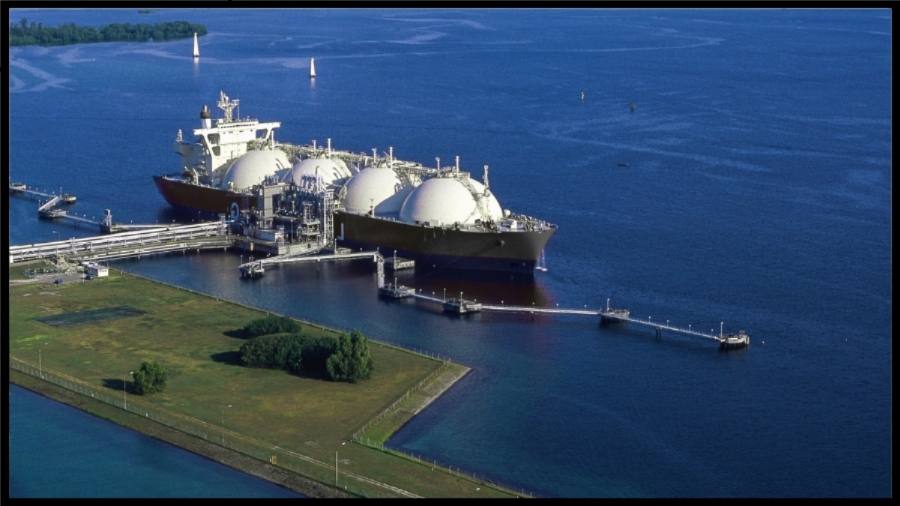
Morgan Stanley’s latest shipping call is that vessel availability across energy trades is likely to stay tighter for longer, with the bank arguing that Asia’s energy-security shift is triggering an investment supercycle that will reshape commercial shipping through the rest of the decade. The report, summarized this week in shipping media, says the change is being driven by longer-haul sourcing patterns, higher tanker orderbooks, expanding shipyard capacity and sustained transport demand across coal, LNG and crude. The timing of that call is notable because it arrives alongside several fresh market signals pointing in the same direction rather than against it. DNV said this year that the tanker orderbook stands at about 17% of the fleet and is still not enough to fully offset ageing tonnage, especially in VLCC and Suezmax segments, while it is reported that LNG carrier orders are rebounding in 2026 as new supply from the U.S., Africa, Canada and Argentina creates fresh demand for modern gas tonnage and longer-haul voyages. Splash also reported that Morgan Stanley’s report gives LNG a central role, noting that about 250 LNG carriers are being added or are in various stages of construction globally as Asia’s gas infrastructure boom links suppliers to end consumers.
If tonnage stays tight across crude, LNG and other energy-linked lanes, freight support can remain structurally firmer for longer rather than fading as a short one-cycle rally.
Insurance is not the main driver of Morgan Stanley’s thesis, but geopolitical disruption and longer energy routes still add friction to vessel availability.
Longer-haul energy sourcing and more tonne-mile demand can keep bunker consumption and voyage-cost sensitivity elevated across the affected trades.
The bigger issue is not immediate port disruption but network strain from longer trades, sanctions-driven rerouting and tighter vessel pools.
The strongest direct read is on chartering leverage, ordering discipline and asset support for modern ships in energy-linked segments.
| Pressure lane | Current marker | Immediate operating read | Importance | Commercial consequence | Next checkpoint |
|---|---|---|---|---|---|
| Core Morgan Stanley thesis | Shipping media said Morgan Stanley sees Asia’s energy-security crisis as the trigger for an investment supercycle that could reshape commercial shipping through the rest of the decade. Undersupply framed as structural | The bank is not calling for a brief cyclical squeeze. It is pointing to a longer-duration mismatch between vessel demand and available tonnage. | That matters because structural undersupply changes chartering behavior, newbuilding logic and asset valuation more deeply than a short-lived rally. | Owners with modern ships in crude, LNG and other energy-linked segments may hold stronger commercial leverage for longer than the market expected. | Watch whether Morgan Stanley’s view gets reinforced by more bank, broker and class commentary through the summer. |
| Longer-haul energy sourcing | Increased LNG production from the U.S., Africa, Canada and Argentina is supporting ship demand, while the U.S. flexible LNG trading model increases vessel use through longer voyages and mid-route diversions. Tonne-miles keep rising | The supply chain is stretching, not compressing. Cargoes are increasingly traveling farther and with more optionality. | This matters because energy shipping tightens fastest when tonne-mile demand rises even if headline cargo volumes do not explode. | Fleet availability can stay tighter than raw order numbers suggest when ships are tied up on longer trades and more complex routing patterns. | Watch Atlantic-to-Asia LNG patterns, Hormuz-related diversions and any fresh shifts in sourcing away from shorter-haul energy routes. |
| Aging tanker fleet | DNV said the tanker orderbook is still insufficient to fully offset ageing tonnage, especially in VLCC and Suezmax segments. Age replacement still unfinished | More ships are being ordered, but older fleet replacement remains a larger burden than it first appears. | That matters because a market can look well supplied on paper while still lacking enough commercially useful modern tonnage in practice. | Charterers may continue paying a premium for efficient, compliant ships while older tonnage becomes less flexible in top-tier trades. | Watch demolition behavior, age-related trade segregation and whether owners keep accelerating newbuild decisions. |
| LNG ordering rebound | 35 LNG carriers were ordered in Q1 2026, nearly matching the whole of 2025, while the global LNG carrier fleet has passed 700 vessels. Owners are responding, but not standing still | The market is ordering again, which confirms owners and charterers see long-run demand support. | This matters because strong ordering is often a response to expected tightness, not proof that tightness is already solved. | Newbuilding appetite supports yard pricing and future capacity growth, but near-term availability can still remain stretched during the delivery lag. | Watch whether the current LNGC order pace continues or cools as freight and project visibility change. |
| Delivery lag versus real availability | Up to 100 LNG carriers may be delivered in 2026, but some Qatar-linked vessels have been deferred to 2027–2028 and conflict has also complicated freight demand. Headline delivery counts are not the whole story | Scheduled deliveries alone do not guarantee that vessel supply loosens quickly or evenly. | That matters because delays, deferrals, yard sequencing and disrupted trade flows can keep the commercial market tighter than fleet-growth headlines imply. | Freight support can persist even in a year with heavy deliveries if demand, delays and route complexity keep absorbing available tonnage. | Watch actual on-water deliveries, project startup timing and whether deferred ships slide again. |
| Corroborating tanker tone | DNV said late-2025 tanker freight was more than 60% above the 10-year average and linked the strength to resilient oil demand, geopolitical shifts and tightening vessel supply. The market already looks tight in practice | Morgan Stanley’s call is arriving in a market that is already pricing scarcity in parts of the energy fleet. | This matters because it gives the undersupply thesis current operating support rather than leaving it as only a future narrative. | Owners, financiers and shipyards may become more confident about staying active if they believe the tightness is not close to ending. | Watch spot earnings, period-charter appetite and newbuilding announcements across crude, product, LNG and LPG segments. |
We welcome your feedback, suggestions, corrections, and ideas for enhancements. Please click here to get in touch.