Hormuz Traffic Is Coming Back Into View, but Freight Still Hasn’t Returned to Normal
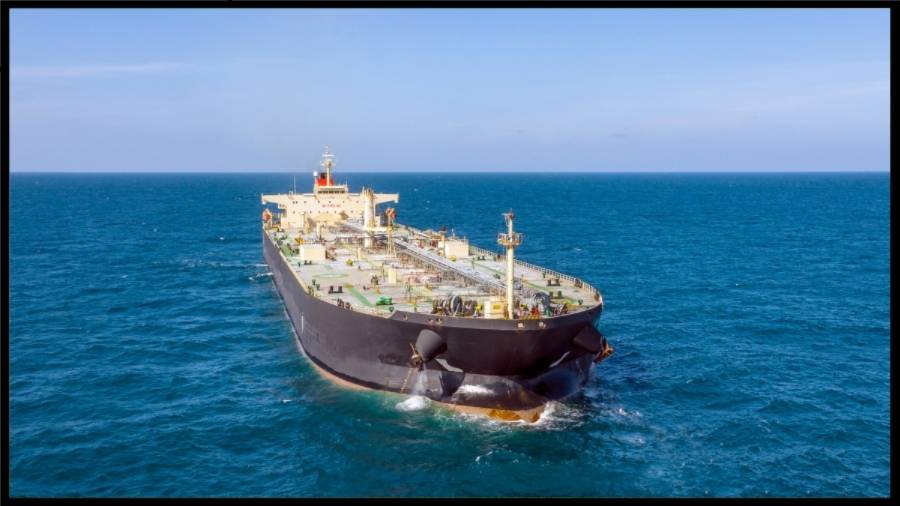
The Strait of Hormuz is beginning to look more active again, and that shift is now visible in the market’s day-to-day tracking of vessel movement. More ships are preparing to leave the Gulf, some cargoes are being scheduled on the assumption that the waterway will stay open, and crude traders are increasingly focusing on the release of stranded supply rather than on the risk of a total shutdown. But the recovery remains uneven. Freight costs are still elevated, voyage decisions are still being filtered through safety and insurance checks, and a large amount of tanker tonnage remains badly positioned after months of disruption. The current picture is not one of closure anymore. It is one of partial reopening with abnormal economics, where traffic is improving faster than freight, underwriting, and commercial confidence.
Traffic is reopening faster than freight economics. Charterers are still paying up for risk, timing, and scarce prompt tonnage even as the corridor becomes more usable.
War-risk cover, safety verification, and route assurance remain central because insurers and owners still want proof that reopening is durable and not merely political.
Oil and bunker panic have eased, but freight still reflects disruption costs because ships, schedules, and procurement patterns remain out of balance.
The route is visibly improving, yet navigational caution, backlog management, and corridor safety still slow the return to routine commercial flow.
Owners with available, insurable tonnage still hold leverage, but the market is increasingly split between reopening optimism and the reality of abnormal voyage conditions.
| Fast reader take | Latest confirmed signal | Operational meaning | Commercial consequence | Shows up first | Closest stakeholders |
|---|---|---|---|---|---|
| Traffic is visibly reopening |
More ships are preparing to move and stranded crude is expected to re-enter the market as the corridor reopens.
reopening visible
stranded oil release
ship movement improving
|
The market is moving past full paralysis and into a phased traffic restart. | Route availability is improving, but it is not yet equal to routine commercial confidence. | Ship-tracking improves before freight normalizes. | Owners, brokers, energy traders, terminals. |
| Freight is still not normal |
Prompt tanker fixing remains difficult and risk pricing is still elevated even after the reopening agreement.
freight elevated
prompt scarcity
risk premium intact
|
The commercial market still sees Hormuz as reopening under caution, not reopening under routine conditions. | Voyage costs remain high and some charterers still struggle to secure ships on acceptable terms. | Fixing friction persists after political progress. | Charterers, refiners, tanker desks, traders. |
| Backlog is a market in itself |
Months of trapped vessels and delayed cargoes have left tonnage badly positioned and schedules uneven.
trapped tonnage
positioning distortion
queue effect
|
Normal route access does not instantly restore normal vessel availability. | Freight can stay abnormal even while physical passage resumes. | Fleet rebalancing lags route reopening. | Owners, operators, brokers, importers. |
| Mine risk still changes the economics |
Safety verification and the need for cleared lanes continue to shape routing and insurance treatment.
mine risk
cleared lane demand
safety-first transit
|
Ships may move, but they do so under tighter voyage screening and more conservative operational assumptions. | Underwriters and owners still charge for uncertainty. | War-risk behavior remains sticky. | Insurers, P&I clubs, owners, masters. |
| Carrier restrictions remain a drag |
Major operators are still limiting normal regional handling and have not fully restored standard operating patterns.
restrictions linger
operations not normal
controlled restart
|
The corridor is reopening under managed conditions, not free-flow conditions. | Surcharges, exceptions, and manual routing decisions remain more common than before the conflict. | Commercial caution outlasts headline reopening. | Liners, logistics firms, Gulf shippers, forwarders. |
| Oil and freight are telling different stories |
Energy markets are pricing reopened supply faster than shipping markets are pricing restored operational trust.
oil calmer
freight slower
trust gap
|
Commodity markets can normalize on expectations, while freight normalizes only after real vessel movement, insurance comfort, and queue repair. | Shipping may stay expensive longer than crude stays volatile. | Freight lags futures. | Energy desks, shipowners, refiners, cargo buyers. |
The market has clearly moved into reopening mode, but not into normal mode. That distinction matters. Visible traffic recovery improves sentiment, yet freight remains governed by the residue of the shutdown: stranded tonnage, route assurance, mine risk, and the slow rebuilding of insurer and operator trust.
Hormuz Freight Normalization Tool
This built-in tool estimates how close the corridor is to real freight normalization. It separates visible traffic recovery from the slower-moving variables that keep voyage economics abnormal.
Live market inputs
Adjust the sliders to test whether the corridor is just reopening visually or whether it is genuinely moving back toward normal freight conditions.
Live readout
This section converts the reopening picture into one score showing whether the market is near normality or still operating under post-crisis freight stress.
The market currently looks like visible reopening with abnormal freight because ships are beginning to move again, but pricing and voyage behavior are still governed by the aftereffects of the disruption.
Traffic, freight, and insurance behavior are all moving back toward routine commercial conditions.
The route is working better, though costs and operating caution are still above normal.
Traffic recovery is real, but freight and underwriting still reflect a corridor coming out of crisis rather than a fully normalized market.
The waterway is open enough to change sentiment, but commercial conditions remain far from pre-crisis norms.
The important distinction now is between movement and normalization. Ships beginning to move again improves confidence, but freight only normalizes after owners can trust safety, insurers can price risk lower, and the fleet can rebalance out of the distorted positions created by the shutdown.