Panama Flag Under Pressure as U.S. Sanctions Demands and China Port Detentions Pull the Registry in Opposite Directions
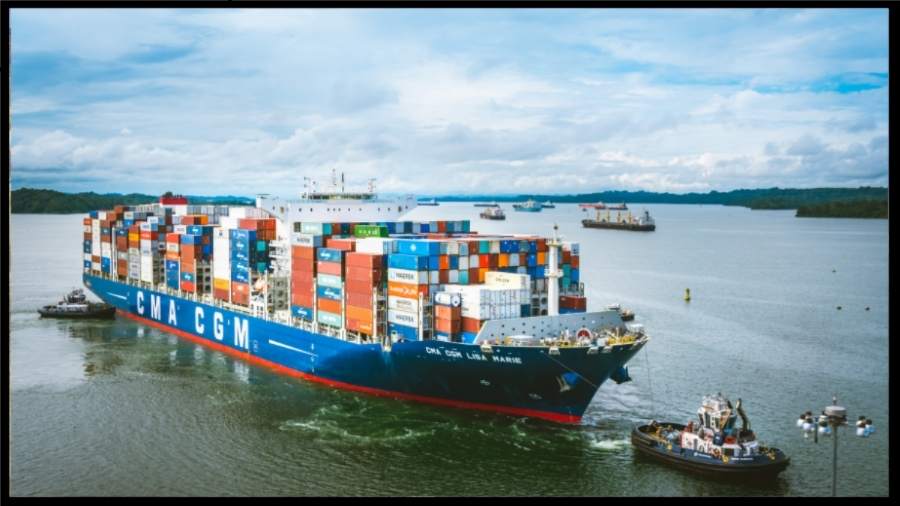
Panama’s ship registry is being squeezed from both sides of the U.S.-China rivalry, and the pressure is no longer abstract. On one side, Panama has been tightening its registry to answer U.S. scrutiny over sanctions evasion, removing more than 650 ships since 2019 and accelerating cancellations for vessels tied to OFAC, EU, and UK sanctions lists. On the other, Panama-flagged ships became the target of an unusual detention surge in Chinese ports after Panama’s Supreme Court invalidated the legal framework behind CK Hutchison’s canal port concessions, a ruling that followed heavier U.S. pressure to curb Chinese influence around the canal. The result is that Panama’s flag, one of the most important in global shipping, is now caught in a geopolitical contest that is affecting inspections, detentions, sanctions compliance, registry policy, port politics, and the commercial confidence attached to one of the world’s largest open registries.
The biggest stress is not a freight-rate shock by itself, but a rising risk of detention, delay and cargo-plan disruption for Panama-flagged ships on China-sensitive trades.
The registry is under stronger compliance pressure, which matters for underwriting, sanctions screening and counterparty comfort even when vessels remain technically tradeable.
Fuel is not the core issue here, though longer detention cycles and rerouted port calls can still create indirect bunker and scheduling inefficiencies.
Chinese port-state detentions and inspections are now a live operational threat for Panama-flagged tonnage, especially where schedule integrity matters.
Registry reputation, sanctions cleanliness and inspection profile are becoming more valuable differentiators in chartering and fleet planning.
Panama’s registry is now being tested by two very different kinds of external pressure
One pressure channel comes from Washington and sanctions enforcement. The other comes from Beijing through port-state detentions and commercial retaliation risk.
| Pressure lane | Current position | Importance | Commercial effect | Next signal to watch |
|---|---|---|---|---|
| Chinese port detentions | Panama-flagged ships saw a sharp jump in inspections and detentions in Chinese ports after the Panama court ruling on CK Hutchison. U.S. and Panamanian officials treated the rise as abnormal and politically linked to the canal-ports dispute. Operational pressure already visible | This turned Panama’s flag from a registry issue into a day-to-day voyage risk in China-facing trades. | Detention exposure can disrupt schedules, cargo commitments, rotations and commercial confidence. | Whether the detention rate stays elevated or keeps easing as diplomatic talks reopen. |
| U.S. sanctions pressure | Panama has been hardening its registry in response to U.S. criticism over sanctions evasion. The registry has removed more than 650 ships since 2019 and accelerated cancellations under new legal tools. Registry enforcement tightened | Panama is trying to show it is not a permissive flag for opaque cargoes or sanctioned trade. | Shipowners now face a stricter compliance environment under Panama’s flag than in the recent past. | Whether further vessel cancellations or tighter disclosure rules follow. |
| Canal-port sovereignty dispute | Panama invalidated the legal framework for CK Hutchison’s concessions at Balboa and Cristobal, then shifted operations to interim operators linked to Maersk and MSC. The dispute has since turned into arbitration and a larger geopolitical fight around canal influence. The port fight is still unresolved | The flag issue is being dragged into a broader strategic contest over canal infrastructure and sovereignty. | Registry risk, port politics and great-power competition are now overlapping in one maritime file. | Whether arbitration, new concessions or more Chinese retaliation reopen the dispute again. |
| Registry reputation | Panama is publicly defending the credibility of its flag and promising faster action against opaque vessels. Officials have emphasized zero tolerance toward misuse of the registry and stronger fleet monitoring. Reputation management now central | Panama’s registry competes globally, so perception matters almost as much as formal regulation. | A stronger compliance image can protect chartering value, but political targeting can still undermine operational reliability. | Whether owners view Panama as more secure, or more exposed, because of the new scrutiny. |
| Trade-system spillover | U.S. officials have warned that China’s actions against Panama-flagged ships could affect U.S. shipping and supply chains. Panama’s flag remains deeply embedded in global and U.S.-linked maritime trade. The impact goes beyond Panama itself | This is not just a bilateral diplomatic issue. It affects shipping users far from Panama and China. | Any sustained detention pattern can spill into routing, chartering and cargo planning on wider lanes. | Whether carriers or cargo interests start changing flag, routing or registry preferences in response. |
| Diplomatic tone | Panama has publicly asked China to respect its sovereignty, while later official statements suggested tensions had begun to ease. The issue remains active, but diplomatic channels appear to be functioning again. Political temperature still fluid | Improved diplomacy can reduce immediate shipping risk faster than new legal changes can. | Commercial confidence may recover if inspections normalize, but the episode will remain in owners’ risk memory. | Whether the easing proves durable or reverses with the next port or canal dispute. |
Panama’s flag is now being pulled between two expectations that do not naturally align. Washington wants stricter sanctions discipline, while Beijing has shown it can make the flag more operationally vulnerable when canal politics turn hostile.
Panama Flag Crossfire Exposure Model
This tool estimates how registry discipline, China-facing port exposure and sanctions sensitivity can combine to raise commercial pressure on Panama-flagged shipping.
This model shows when the Panama flag becomes commercially exposed to both sides of the U.S.-China dispute at once. It weighs China port dependence, sanctions sensitivity, contract rigidity and registry strength together.
We welcome your feedback, suggestions, corrections, and ideas for enhancements. Please click here to get in touch.