UK Boards Russian Shadow Fleet Tanker in the Channel in a Major New Sanctions Enforcement Move
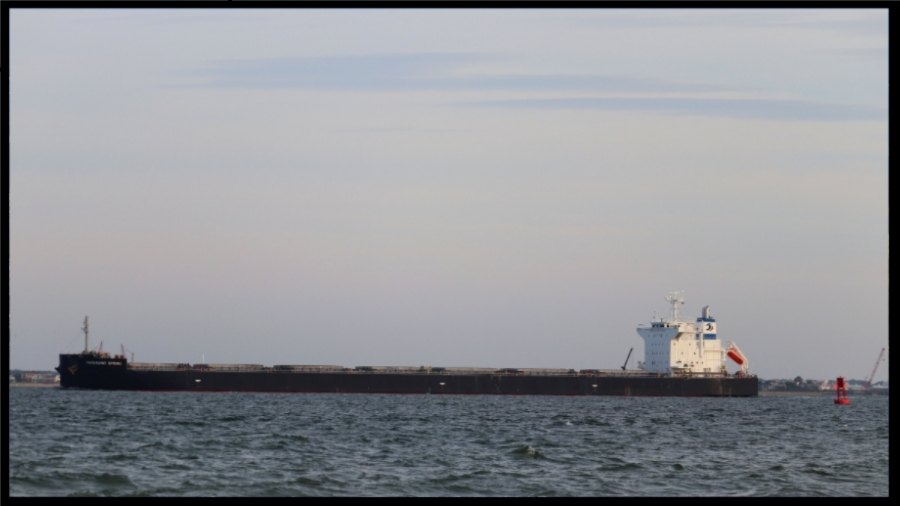
Britain has carried out its first direct interdiction of a Russian shadow-fleet tanker in the English Channel, with Royal Marine Commandos and National Crime Agency officers boarding the sanctioned vessel Smyrtos in an operation announced on 14 June. The UK government said the tanker was carrying Russian crude, was part of the shadow fleet used to move sanctioned oil, and is now being held and monitored off the south coast while investigations continue. Public reporting says the ship was boarded without resistance, was carrying more than 100,000 tonnes of crude, and had been sailing under a Cameroon-linked registration that had been revoked, leaving it effectively stateless. The move marks a sharp escalation from shadowing and monitoring to actual seizure-style enforcement in one of the world’s busiest commercial waterways.
This is not an immediate mainstream freight shock, but it raises the enforcement risk premium for tankers linked to sanctioned barrels and shadow-fleet trading patterns.
Boarding a tanker in the Channel pushes sanctions compliance, flag validity, ownership opacity and cover quality back to the center of voyage risk decisions.
Any stronger disruption of shadow-fleet flows can tighten the movement of sanctioned crude and alter the discount-and-arbitrage structure around those barrels.
The bigger issue is not a Channel closure risk but a rise in legal, operational and routing scrutiny for suspect vessels transiting high-visibility European waters.
The strongest immediate read is on shadow-fleet economics, vessel employability and the cost of operating older, opaque tankers near stricter enforcement zones.
| Pressure lane | Current marker | Immediate operating read | Importance | Commercial consequence | Next checkpoint |
|---|---|---|---|---|---|
| Direct UK interdiction | The UK says Royal Marine Commandos and National Crime Agency officers boarded the tanker Smyrtos in the Channel. Enforcement has moved up a level | Britain is no longer only watching shadow-fleet traffic. It is now prepared to physically interdict it in a major sea lane. | That matters because shadow-fleet economics depend heavily on the assumption that sanctions can often be evaded in practice. | Owners, managers and traders tied to opaque tanker structures may now face a higher practical enforcement risk near Europe. | Watch whether London treats this as a one-off symbolic action or the start of repeated boardings. |
| Flag and legal status | Reporting said the tanker had been sailing under a Cameroon-linked flag that had been revoked, leaving it effectively stateless. Documentation risk is central | The vessel’s legal vulnerability appears to have mattered as much as the cargo itself. | That matters because much of the shadow fleet depends on weak registries, shell ownership and unstable compliance structures. | Scrutiny of flag validity, P&I arrangements and vessel identity trails can intensify quickly after a case like this. | Watch whether authorities publish more detail on registration, ownership and sanction-breach allegations. |
| Russian crude movement | The ship was carrying Russian crude and was described by the UK as part of the fleet helping move sanctioned oil exports. Oil transport chain targeted directly | This is not a paperwork-only case. It is aimed at the actual transport system Russia uses to keep oil moving. | That matters because the shadow fleet is a core logistics channel for discounted Russian oil. | Even limited disruption of that fleet can raise transport costs, tighten discounts, and complicate trade flows for sanctioned barrels. | Watch whether more sanctioned cargoes divert away from UK-adjacent routes after this operation. |
| Channel enforcement optics | The boarding happened in the English Channel, one of the world’s most visible and commercially important waterways. High-visibility location matters | This was not a quiet action in a peripheral zone. It happened in a shipping corridor every major operator watches closely. | That matters because highly visible enforcement changes market behavior faster than low-profile enforcement does. | Compliance teams, brokers and insurers may become more conservative about suspect cargoes and suspect vessel structures near Europe. | Watch whether other European governments harden their own posture after Britain’s move. |
| Allied enforcement trend | Earlier in 2026 the Royal Navy supported a French operation against a sanctioned tanker and separately tracked sanctioned Russian-linked shipping in the Channel. This did not come from nowhere | Britain’s new action fits a broader pattern of rising European willingness to interfere with shadow-fleet activity. | That matters because the commercial threat grows when monitoring actions start turning into repeated operational precedents. | The cost of running sanctioned oil on older opaque tankers may keep rising if several governments now feel emboldened to act. | Watch for statements from France, the Nordics, Germany and EU bodies on next enforcement steps. |
| Market consequence beyond one ship | Public reporting described the seizure as the start of something larger, not only as an isolated stop. Precedent risk is now real | The main market effect may come less from this tanker itself and more from the precedent it sets. | That matters because shadow-fleet trading relies on repetition, routinization and weak deterrence. | Once a major coastal state shows it will board and hold a tanker, the risk calculus changes across the network. | Watch tanker diversions, fixture behavior and any sudden changes in discount structures for sanctioned crude. |
We welcome your feedback, suggestions, corrections, and ideas for enhancements. Please click here to get in touch.