Shipbuilding Market Outlook 2026: Hengli’s Breakout Shows How the Global Yard Map Is Changing Fast
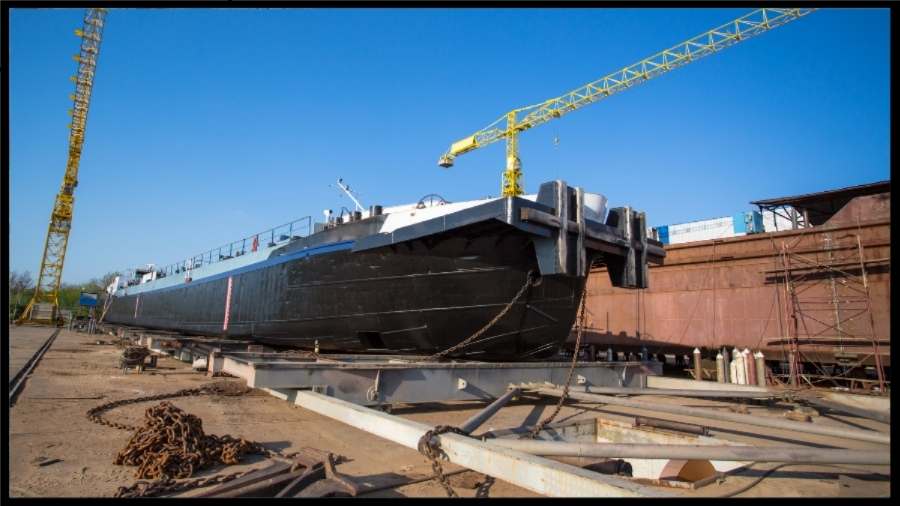
The latest shipbuilding outlook is no longer just a story about fuller orderbooks. It is also a story about which yards are gaining share, which vessel classes are driving the cycle, and how quickly competitive power is shifting inside Asia. The global orderbook has climbed to a 17-year high, tanker contracting has surged, LNG carrier ordering has rebounded, and owners are still booking late-decade delivery slots despite geopolitical risk and growing concern about medium-term oversupply in some segments. At the same time, one of the clearest fresh signals inside the yard market is Hengli Heavy Industry’s rise. In just four years, the Chinese yard has gone from a relaunch story to a builder now delivering VLCCs, launching four giant crude tankers at once, adding major new capacity, and winning repeat business from large international owners. That makes Hengli more than a curiosity. It is one of the clearest examples of how the current shipbuilding cycle is redistributing power toward yards that can add scale quickly, secure tanker work aggressively, and turn order momentum into real output.
The current order wave does not hit freight immediately, but the growing late-decade delivery pipeline is becoming harder to ignore in tankers, LNG and some other major segments.
This is mainly a capacity, competition and asset-cycle story rather than a direct marine-insurance shock.
Future-fuel readiness, efficiency and dual-fuel design continue to shape which ships get built and which yards win higher-value work.
The current issue is yard competition and vessel supply, not a direct port or chokepoint disruption story.
Delivery timing, yard quality and modern-spec tonnage are becoming more valuable strategic differentiators, especially where owners want premium assets before 2028 to 2030 slots tighten further.
The orderbook is still climbing, but the story is becoming more selective by yard and by vessel class
The market is no longer driven by one universal boom. Tankers, LNG carriers and high-value efficient tonnage are leading, while yards that can add real throughput are gaining share fastest.
| Market lane | Current position | Importance | Commercial effect | Next signal to watch |
|---|---|---|---|---|
| Global orderbook scale | The world shipbuilding orderbook is at a 17-year high. BIMCO says it reached 191 million CGT by the end of Q1 2026, equal to 17% of the fleet. Biggest pipeline since 2011 era | This is large enough to matter for medium-term supply across several major sectors. | Late-decade delivery pressure is building even though near-term freight can still stay firm in selected segments. | Whether contracting slows in the second half or continues extending the delivery wall. |
| Tanker-led ordering | Tankers are driving the newest order surge. BIMCO says tanker orders tripled year over year in Q1 and accounted for 32% of total contracting, the highest share since 2017. Crude and product yards still hot | This is one of the strongest fresh market signals in the entire newbuilding cycle. | Tanker yards, especially those strong in VLCCs and other large crude ships, are gaining backlog and pricing power. | Whether tanker owners keep ordering at this pace once current freight spikes and asset values cool. |
| LNG carrier rebound | LNG carrier ordering has accelerated again after a softer year. Thirty-five LNGCs were ordered in Q1 2026, almost matching all of 2025. Gas-ship cycle back in motion | The LNG segment is once again competing aggressively for premium Korean and Chinese slots. | High-value gas work is supporting top-tier yard earnings and delivery visibility into 2028 and 2029. | Whether this rebound broadens or pauses as the very large LNGC orderbook gets heavier. |
| Hengli’s breakout | Hengli has scaled from a relaunch story into a globally important yard in about four years. It was founded in 2022 as the successor to STX Dalian, launched four VLCCs simultaneously in January, and reported 108 new shipbuilding contracts in Q1 2026. Fastest riser in the yard map | This is one of the clearest examples of capacity moving rapidly toward aggressive Chinese builders. | Owners now have another large-scale option for big crude and other tonnage, which changes competitive dynamics across Asia. | Whether Hengli can sustain order intake and convert it into punctual, profitable delivery performance. |
| Capacity expansion | Hengli is still adding more muscle, not just more backlog. Caixin reported a planned 13.5 billion yuan investment to lift annual capacity by 4.6 million DWT. Expansion is still underway | This means its recent rise may not be a short burst. It may be part of a longer structural shift. | More capacity can help Hengli chase large blocks of tanker, boxship and other mainstream orders faster than older rivals expect. | Whether the yard keeps diversifying beyond tankers into more complex vessel classes at scale. |
| Proof of execution | Hengli is now delivering, not just selling. Capital Ship Management took delivery of a 307,000 dwt VLCC from Hengli in February, and Hengli reported 14 deliveries in Q1 2026. Backlog is turning into steel in the water | Fast-rising yards only change the market if they actually deliver quality ships on time. | Execution credibility improves asset-market confidence and makes repeat ordering more likely. | Whether repeat owners expand beyond tanker work and whether delivery cadence stays high. |
The current shipbuilding cycle is no longer just about strong demand. It is about which yards can still add capacity, which owners are locking in premium delivery windows, and which segments may be building tomorrow’s supply problem while today’s earnings still look healthy.
Shipbuilding Cycle and Yard Power Model
This tool estimates how backlog size, sector demand, yard expansion and delivery execution combine to shape the current shipbuilding-market outlook.
This model is designed to show why the shipbuilding market can still feel strong even as late-cycle risk builds. It weighs current order momentum against yard expansion, delivery quality and the growing possibility that late-decade supply becomes too heavy.
We welcome your feedback, suggestions, corrections, and ideas for enhancements. Please click here to get in touch.