Eastern Pacific’s Chemical Tanker Exit Reshapes a Niche Shipping Segment Already Short on Modern Tonnage
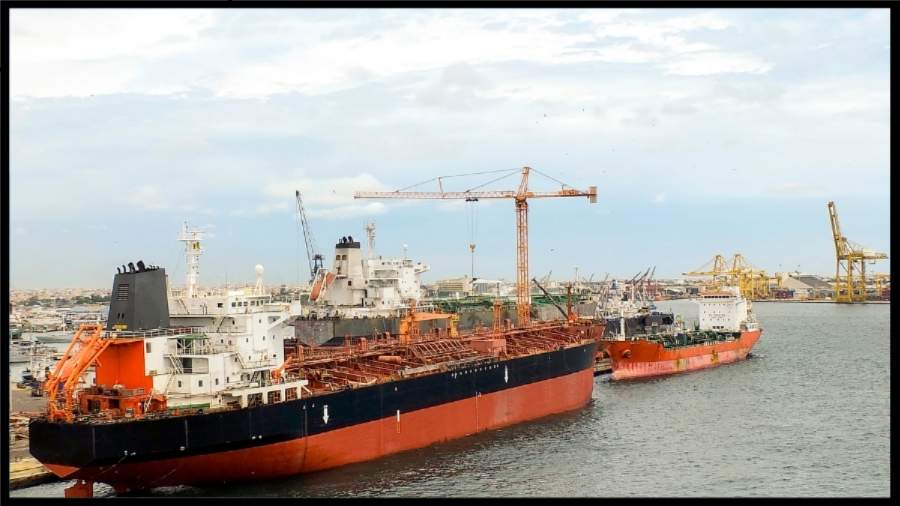
Eastern Pacific Shipping is being reported as exiting the chemical tanker sector, with the clearest current public market signal pointing to an en bloc fleet shift involving Ace Tankers and Womar Tankers. At the same time, Eastern Pacific’s latest official communications have focused on its IMO II MR tanker pool with Champion Tankers and on wider growth in gas and tanker-related segments, while some publicly accessible EPS fleet materials still referenced a chemical fleet at the time of review. Taken together, the current picture is that Eastern Pacific is moving away from direct chemical-tanker exposure and toward a more concentrated strategy in adjacent tanker and gas segments, even if the transition is not yet fully reflected across every public-facing source. The news lands in a market where chemical tankers remain a specialized and relatively tight niche, especially for modern, flexible tonnage.
One owner’s exit does not reset the global market alone, but it matters because specialized chemical tonnage is a narrower pool than mainstream tanker capacity.
The main issue is less war-risk and more cargo-profile, compliance, and class quality as ships move between commercial platforms and technical managers.
This is not primarily a bunker story. The bigger angle is fleet allocation, commercial strategy, and who controls modern IMO II capable tonnage going forward.
Trade routes are unlikely to be disrupted directly, but chartering patterns can shift as vessel control moves to new platforms and counterparties.
This is where the story matters most. Fleet exit signals can influence sentiment on valuation, fleet scarcity, and the premium attached to modern, flexible coated tonnage.
The strongest current public indicator is a recent Splash247 LinkedIn snippet saying Eastern Pacific is exiting the chemical tanker business through an en bloc transaction involving Ace Tankers and Womar Tankers. That matters because an en bloc move suggests portfolio strategy, not random one-off vessel churn.
EPS’s latest official communications have emphasized its IMO II MR tanker pool with Champion Tankers and its wider gas platform after the CoolCo merger. That does not, by itself, prove a full chemical exit, but it fits the pattern of a company concentrating on scalable tanker and gas platforms rather than defending every niche liquid segment.
At the time of review, EPS’s public website still referenced a chemical fleet, which suggests the restructuring may still be filtering through disclosure channels, commercial platforms, and fleet databases. In other words, the strategy signal is ahead of the full public fleet cleanup.
Chemical shipping is not a simple volume game. Cargo segregation, coating or stainless capabilities, charterer approval, cleaning economics, and cargo compatibility all make the segment more specialized than standard product shipping. When a recognizable owner steps out, the effect is more about quality and commercial optionality than pure deadweight.
EPS’s MR pool announcement itself emphasizes clean petroleum products, chemicals, and specialty cargoes. That is important because it shows how flexible IMO II ships can sit at the boundary between product and chemical trades. A strategic reallocation of this kind can strengthen another operator’s platform without necessarily reducing the usefulness of the tonnage.
The story is best understood as strategic simplification. Eastern Pacific appears to be reducing direct exposure to a specialized niche while putting more weight behind broader tanker and gas platforms. For the market, that matters because high-quality chemical-compatible ships do not just disappear. They become more valuable to whoever controls the next commercial platform.
Chemical Tanker Exit Impact Tool
This built-in tool estimates whether a shipowner’s exit from chemical tankers should be treated as a niche portfolio adjustment or as a more meaningful market signal. It combines fleet specialization, commercial scarcity, adjacent-market flexibility, and disclosure clarity into one live score.
The current setup suggests a meaningful niche signal because the ships appear specialized enough that a strategic exit says something about owner priorities, asset values, and where commercial scale is now more attractive.