Iran Conflict Impact Map: The Maritime Sectors Hit Hardest and the Ones Holding Up Best
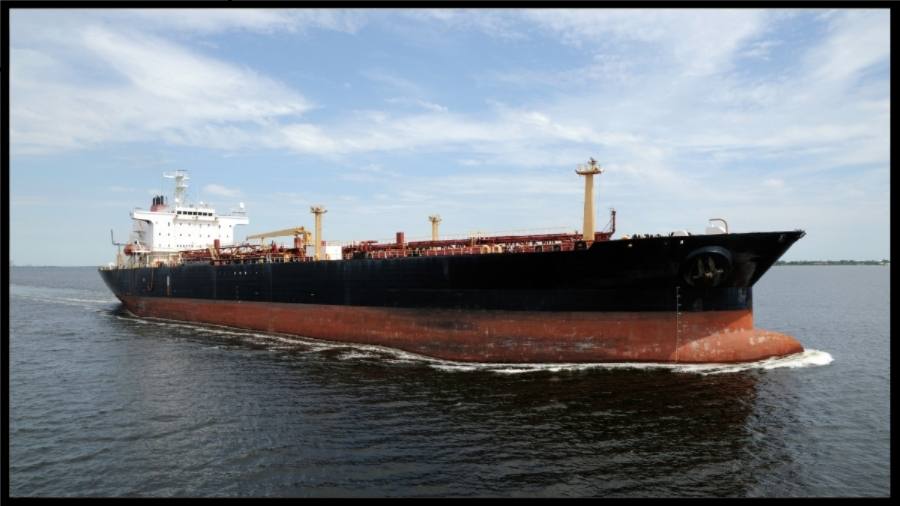
The maritime fallout from the conflict in Iran has become uneven enough that it no longer makes sense to talk about shipping as one single story. The heaviest direct pressure has landed on tanker and gas shipping because the Strait of Hormuz sits at the center of global crude, LNG and LPG flows, while other sectors have felt the conflict more indirectly through bunker costs, insurance stress, rerouting, and cargo hesitation rather than outright paralysis. Container shipping has absorbed a strong second-round shock through fuel inflation and importer anxiety, dry bulk has seen disruption but far less direct exposure than tankers, and cruise operators have suffered itinerary and positioning problems mainly where ships were physically tied to Gulf deployments. The current picture is a maritime market split between sectors that were structurally exposed to Hormuz itself and sectors that were hit more through cost spillover, scheduling friction, and shorter-lived operational dislocation.
This was the center of the shock. Crude, product, LNG and LPG exposure to Hormuz made these sectors the most directly disrupted and the slowest to normalize.
Boxes were not hit as directly as tankers, but bunker inflation, surcharges, importer anxiety and workarounds pushed rates sharply higher across key lanes.
War-risk pricing, crew safety, trapped tonnage and clearance uncertainty made this one of the most operationally stressed parts of the maritime system.
Dry bulk was affected, but far less directly. It felt the conflict through fuel, delays and commodity substitution more than through outright market paralysis.
Cruise lines with Gulf exposure faced cancellations and repositioning problems, but the wider sector recovered faster once stranded ships got back into service.
| Sector | Impact score | Current read | Main stress point | Why it landed there | Commercial signal now |
|---|---|---|---|---|---|
| Crude tankers | Very high | The most directly hit segment of the whole maritime system. | Hormuz closure, backlog, floating storage, war-risk insurance, blocked Iranian exports, delayed normalization. | Crude flows sit at the heart of Gulf trade, so the sector absorbed the direct physical shock first and the recovery lag afterward. | Still recovering slowly even after oil prices eased. |
| LNG and LPG shipping | Very high | Among the hardest-hit sectors because gas cargoes were tied tightly to a corridor that suddenly stopped functioning normally. | Interrupted loadings, limited visible transits, mine-clearance caution, stranded gas tonnage. | Gas shipping relies on fewer, more specialized cargo movements, so corridor disruption had outsized consequences quickly. | Operational restart remains slower than the futures-market reaction. |
| Product tankers | High | Refined products were deeply exposed, though the trade pattern is now being redrawn more than erased. | Diesel, jet, naphtha and other product flow disruption, refinery damage, longer trade routes. | Middle East refined-product shipping remained heavily dependent on Hormuz, especially into Asia and East Africa. | Trade lanes are shifting and freight logic is changing by commodity. |
| Container shipping | Medium to high | More indirect than tankers, but still hit hard through cost inflation and supply-chain behavior. | Bunker spikes, surcharges, importer frontloading, feeder strain, route workarounds. | The sector did not depend on Hormuz the way energy shipping did, but fuel shock and fear spread quickly into rates and planning. | Rates surged because cost and anxiety reinforced each other. |
| War-risk insurance and ship management | High | This was one of the most stressed maritime service layers, even when physical cargo types varied. | Safety approvals, seafarer welfare, trapped ships, underwriting, mine-risk, voyage clearance. | The conflict forced decisions around whether ships could move at all, not merely whether cargo demand was strong. | Still a major brake on normalization. |
| Dry bulk | Low to medium | Clearly affected, but far less directly than tanker and gas shipping. | Fuel costs, indirect delay, coal substitution, selective cargo disruption. | Only a small slice of dry bulk trade was directly exposed to Hormuz, and some trade benefited from energy substitution effects. | More mixed than broken. |
| Cruise and leisure shipping | Low | Painful for ships caught in the Gulf, but limited as a global cruise-sector crisis. | Itinerary cancellations, ship repositioning, stranded passenger operations. | Exposure was concentrated in a small number of deployed vessels rather than across the industry’s global footprint. | Recovered faster once ships exited and redeployed. |
| Shipbuilding and marine manufacturing | Watch | Mostly secondary exposure rather than immediate operational damage. | Input costs, project timing, buyer caution, offshore energy knock-on effects. | These businesses felt the conflict through financing, fuel and customer timing, not via frontline chokepoint paralysis. | More sentiment-sensitive than directly blocked. |
The cleanest dividing line is simple. Sectors tied directly to Gulf energy exports were hit hardest and longest. Sectors tied more loosely to Middle East routing were affected mainly through fuel, insurance, pricing behavior or short-lived schedule stress. That is why crude tankers and gas shipping sat at one extreme, while dry bulk and most cruise operations sat much closer to the resilient end of the range.
Iran Conflict Sector Impact Tool
This built-in tool estimates how severely different maritime industries were exposed to the Iran conflict. It combines Hormuz dependence, fuel sensitivity, insurance friction, and redeployment flexibility into one live pressure score.
Live sector inputs
Adjust the sliders to test how exposed a maritime business model is when a conflict disrupts Gulf energy flows, war-risk pricing, and normal shipping confidence.
Live readout
This section converts the conflict profile into one score showing whether a maritime sector should be treated as frontline exposed or mostly second-order affected.
The current setup points to frontline exposure because direct route dependence, insurance drag and fuel stress all outweigh the sector’s ability to redeploy away from the shock.
The sector mainly feels second-order costs and can continue operating with limited structural disruption.
The sector is affected through fuel, scheduling or sentiment, but not through full frontline route dependence.
The sector is meaningfully exposed to the conflict and cannot normalize quickly without route and insurance improvement.
The sector sits at the center of the disruption and absorbs direct operational damage when Gulf routes stop functioning normally.
The most useful lesson from the Iran conflict is that not every maritime industry gets hit the same way. The closer a business model sits to Hormuz-linked energy cargoes and war-risk routing, the harsher and more prolonged the damage tends to be. The more easily it can redeploy, pass through costs or rely on non-Gulf demand, the less structural the hit becomes.
We welcome your feedback, suggestions, corrections, and ideas for enhancements. Please click here to get in touch.