Boxship Strike Pushes Hormuz Shipping Security Back Into Crisis
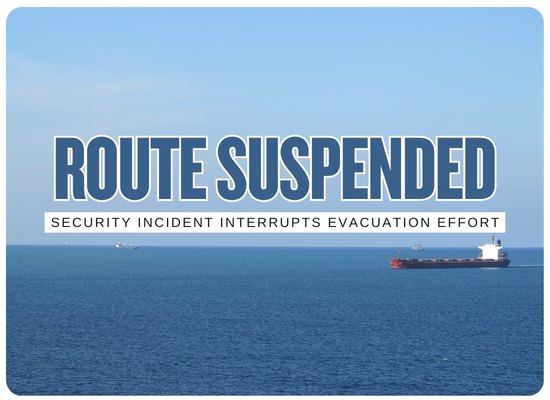
The attack on the Cyprus-flagged GFS Galaxy has pushed the Strait of Hormuz back into a severe maritime-security phase just weeks after temporary transit arrangements had begun restoring some commercial movement. The UAE-owned container ship was struck near Oman while sailing eastbound from Jebel Ali, suffering stern and engine-room damage followed by a fire that forced the crew to abandon ship. The crew was subsequently accounted for, but the incident marked the fourth reported attack on commercial shipping in the waterway since July 6. Iran again declared the strait closed, while U.S.-led maritime authorities maintained that the southern route near Oman remained available. Vessel activity nevertheless fell sharply, with tracked movements through the strait dropping about 52% over July 10 to 12 compared with the previous week. The attack was followed by a major round of U.S. strikes against Iranian missile, drone, radar, naval, and coastal-surveillance targets, leaving operators to assess a transit environment shaped by active military exchanges, mine warnings, navigation interference, conflicting route instructions, and reduced commercial traffic.
Hormuz Exposure After the GFS Galaxy Attack
The waterway remains technically passable, but the operating environment has deteriorated across security, traffic, insurance, and schedule reliability.
The boxship strike followed attacks on tankers and LNG-linked traffic, confirming that commercial vessel type does not provide meaningful insulation.
The southern Omani route remains available according to maritime authorities, but Iran disputes outside control of the transit system.
Tracked vessel activity fell sharply over the latest three-day period as operators prioritized perceived security over normal routing.
The attack, military retaliation, mine concerns, and disputed route control are likely to keep voyage approval and premium discussions elevated.
The incident expands the commercial risk picture beyond oil and gas carriers. Feeder schedules, Gulf transshipment flows, cargo commitments, equipment positioning, and regional port connections may now require the same security scrutiny already affecting tanker trades.
Hormuz Security and Commercial Transit Table
The latest incident has moved container traffic into the same high-risk operating environment already affecting tanker and gas-carrier movements.
| Operating Lane | Current Level | Latest Position | Commercial Exposure | Stakeholders Most Exposed | Next Signal |
|---|---|---|---|---|---|
Southern Oman transit route |
Severe | The route remains available for two-way traffic, but it is being used under active military tension and disputed authority. | Passage may remain physically possible while voyage approval, crew acceptance, insurance terms, and schedule confidence deteriorate. | Owners, charterers, bridge teams, naval coordinators, P&I clubs, and war-risk underwriters. | Whether escorted or coordinated transits increase without another successful strike on commercial shipping. |
Container and feeder services |
High | The GFS Galaxy attack shows that boxships using regional Gulf links are now exposed alongside tankers and gas carriers. | Disruption can affect Jebel Ali feeder connections, regional cargo commitments, equipment positioning, transshipment schedules, and customer delivery windows. | Feeder operators, liner companies, NVOCCs, freight forwarders, terminals, and cargo interests. | Carrier notices covering Gulf port omissions, suspended bookings, contingency surcharges, or revised feeder rotations. |
Tanker and LNG movements |
Severe | Several energy carriers have already turned back or delayed passage following recent attacks and renewed route uncertainty. | Loading programs, refinery supply, LNG delivery timing, floating storage, and regional energy pricing remain exposed to prolonged disruption. | National oil companies, tanker owners, LNG carriers, commodity traders, refiners, and utility buyers. | Whether large ballast fleets and waiting vessels resume normal inbound movements through the strait. |
Navigation and communications |
High | Operators face navigation interference, military hailing, route instructions from competing authorities, mine reports, and reduced AIS visibility. | Conflicting information raises bridge workload and makes it harder to separate verified navigational hazards from coercive or tactical messaging. | Masters, security officers, navigation teams, fleet operations centers, and maritime intelligence providers. | Changes to route guidance, AIS recommendations, reporting instructions, or mine-threat assessments. |
Insurance and voyage approval |
Severe | The attack and subsequent military escalation add fresh evidence for underwriters assessing vessel-specific Hormuz exposure. | War-risk premiums, deductible levels, voyage permissions, security warranties, and charter-party cost allocation may all tighten. | Owners, brokers, lenders, P&I clubs, hull insurers, charterers, and cargo underwriters. | Formal premium revisions, cover restrictions, new notification windows, or denial of voyage approval for certain vessel profiles. |
Port and supply services |
Watch | Lower vessel flows can reduce routine demand while simultaneously increasing emergency requirements for bunkers, repairs, crew support, and diversion services. | Revenue can shift quickly between normal port services and high-value contingency support depending on vessel movement patterns. | Ports, bunker suppliers, ship agents, repair providers, chandlers, crew managers, and offshore support firms. | Anchorage buildup, diversion patterns, urgent repair demand, and changes in bunker consumption near alternative ports. |
Hormuz Transit Exposure Model
Estimate the financial and operational pressure attached to a delayed or disrupted Gulf transit. The model combines vessel time, cargo sensitivity, voyage delay, security exposure, and fallback strength into one scenario view.
This scenario combines waiting-time value with the entered security and insurance allowance. It does not estimate cargo loss, legal liability, or actual war-risk pricing.
Estimated vessel-value exposure created by the selected delay period.
Combined scenario exposure divided across the selected delay window.
The selected threat environment is the strongest contributor to the current risk score.
The voyage remains possible in this model, but commercial pressure is significant.
The current inputs produce a high-exposure voyage scenario driven mainly by severe security conditions and meaningful schedule sensitivity.
This model is for editorial and scenario-planning purposes. It does not calculate actual war-risk premiums, insurance terms, freight liability, cargo loss, sanctions exposure, navigational safety, or voyage authorization.
We welcome your feedback, suggestions, corrections, and ideas for enhancements.
Please click here to get in touch