Delfin LNG Moves Closer to America’s First Offshore Export Terminal
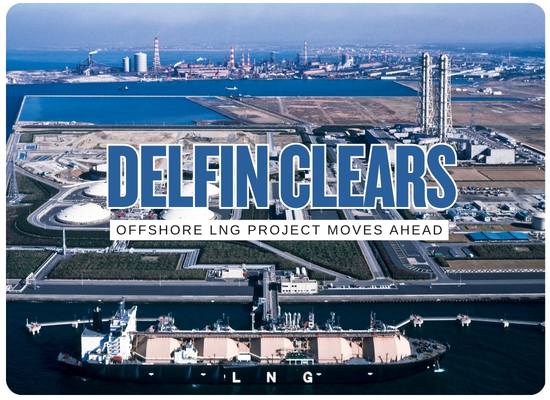
Delfin LNG has cleared another major hurdle for its planned floating LNG export project off Louisiana after a federal appeals court rejected a challenge to the project’s deepwater port license. The ruling keeps the company’s offshore export plan moving after MARAD issued the license for a facility located roughly 40 nautical miles off Cameron Parish, Louisiana, designed to connect Gulf Coast gas supply with floating liquefaction vessels and global LNG buyers. The project has already reached final investment decision for Delfin FLNG 1, with investors including Global Infrastructure Partners, Mitsui O.S.K. Lines, Diameter Capital Partners, and Vitol, and long-term LNG sales agreements tied to buyers including Vitol, Expand Energy, Centrica, and Gunvor.
Ship Universe LNG Export Watch
Operator Impact Snapshot
Delfin’s court win moves the project file back toward offshore execution, LNG shipping demand, and Gulf Coast supplier planning.
The legal challenge is not the only piece of the project, but it was a meaningful uncertainty around the deepwater port license. With that hurdle reduced, the commercial focus shifts toward floating liquefaction construction, pipeline readiness, long-term offtake, marine logistics, and the offshore operating chain.
License litigation pressure
The appeals court ruling reduces a legal overhang around the deepwater port license, keeping Delfin’s offshore LNG export plan moving through the execution phase.
Floating LNG milestone
Delfin FLNG 1 is positioned as the first U.S. floating LNG export facility, with planned output of 4.4 million tonnes per year.
Execution and schedule risk
The next test is not permitting language. It is construction timing, offshore installation, pipeline reliability, financing discipline, and commissioning execution.
LNG carrier demand signal
A producing offshore terminal creates future shipping demand, loading-window planning, marine assurance work, and trading opportunities tied to long-term sales contracts.
Gulf supplier opportunity
Marine contractors, tugs, offshore service providers, subsea firms, inspection companies, port agents, and equipment suppliers gain a clearer project timeline to monitor.
Commercial Reading
Delfin is becoming a floating LNG execution story. The project combines offshore infrastructure, feedgas supply, export licensing, FLNG vessel construction, LNG carrier scheduling, and global offtake in one Gulf Coast platform.
- LNG carriers: watch loading schedules, berth approach procedures, cargo windows, marine assurance standards, and long-term charter demand.
- Offshore contractors: track installation work, subsea interfaces, mooring systems, inspection needs, pipeline readiness, and marine support packages.
- Ports and agents: monitor crew logistics, spares, offshore staging, customs handling, launch support, and Gulf service traffic.
- Financiers: focus on legal certainty, offtake strength, construction risk, pipeline reliability, and additional vessel FID timing.
- Suppliers: prepare for procurement tied to FLNG equipment, safety systems, cryogenic handling, power, controls, valves, and offshore maintenance.
Delfin LNG Project Board
Legal Clearance, Export Scale, and Marine Workstream Signals
The project has moved from license defense into execution planning for America’s first floating LNG export terminal.
Project Status
Expected annual LNG export capacity for Delfin FLNG 1.
Delfin describes the broader platform as capable of supporting up to three FLNG vessels.
Approximate distance from Cameron Parish, Louisiana, based on the deepwater port license area.
Current expected start for LNG production from Delfin FLNG 1.
Execution Table
| Issue Area | Latest Detail | Market Effect | Stakeholder Move | Pressure Meter |
|---|---|---|---|---|
| Court Challenge Deepwater port license | The Fifth Circuit denied the petition challenging MARAD’s license approval, reducing a major legal overhang for the project. | Improves confidence around permitting continuity and lets investors, suppliers, and contractors refocus on execution timelines. | Track remaining regulatory conditions, environmental compliance, license obligations, and project financing milestones. |
High
|
| FLNG 1 Investment First floating export unit | Delfin has reached FID for the first FLNG vessel with major infrastructure, shipping, trading, and capital partners involved. | Creates stronger procurement visibility for shipyards, marine systems, commissioning teams, LNG buyers, and support vessels. | Suppliers should monitor packages tied to liquefaction equipment, marine systems, cryogenic handling, controls, and safety. |
High
|
| Export Capacity 4.4 MTPA first phase | Delfin FLNG 1 is expected to produce 4.4 million tonnes per year, with the broader project capable of supporting more vessels. | Adds future cargo volume for LNG carriers and increases demand for offshore loading reliability. | LNG shipping teams should model cargo cadence, loading windows, boil-off management, and fleet availability near 2030. |
Medium High
|
| Gas Supply Chain Pipeline and feedgas readiness | The project depends on reliable feedgas movement through Gulf Coast infrastructure into the offshore liquefaction system. | Pipeline reliability, compression, safety, and upstream gas availability become central to export schedule confidence. | Monitor pipeline status, integrity work, feedgas contracting, maintenance outages, and hurricane-season exposure. |
Watch
|
| Offshore Marine Support Gulf operating chain | Construction and operation will require offshore support, inspection, emergency response, crew movement, spares, and marine logistics. | Creates opportunities for OSVs, tugs, port agents, inspection providers, subsea contractors, and safety-service firms. | Gulf suppliers should prepare qualification files, safety records, availability windows, and LNG/offshore experience summaries. |
High
|
| Additional FLNG Units Next investment decisions | Delfin has indicated it is moving toward investment decisions for additional FLNG vessels after the first unit. | Follow-on units could turn the first facility into a larger offshore LNG export platform with deeper fleet and supplier demand. | Watch offtake announcements, financing partners, yard slots, equipment reservations, and updated construction schedules. |
Watch
|
FLNG Export Capacity Planner
Estimate annual cargoes, carrier demand, offshore support intensity, and project scale for a floating LNG export facility.
This tool is designed for LNG carriers, brokers, port agents, offshore contractors, suppliers, and financiers evaluating the commercial scale of Delfin-style floating LNG export capacity.
Adjusted Annual Output
4.05 MTPA
Estimated production after applying operating utilization.
Estimated LNG Cargoes
52 cargoes
Approximate annual LNG carrier liftings under the selected cargo size.
Carrier Capacity Need
6 vessels
Planning estimate for LNG carriers needed to support the cargo flow under the selected voyage cycle.
Support Vessel Activity
129 trips
Estimated annual offshore support movements tied to cargo operations.
Project Scale Signal
The project profile indicates a large LNG export node with meaningful carrier demand and offshore support intensity. Execution discipline and feedgas reliability remain central.
We welcome your feedback, suggestions, corrections, and ideas for enhancements.
Please click here to get in touch