Panama Draft Cuts Tighten Canal Load Planning
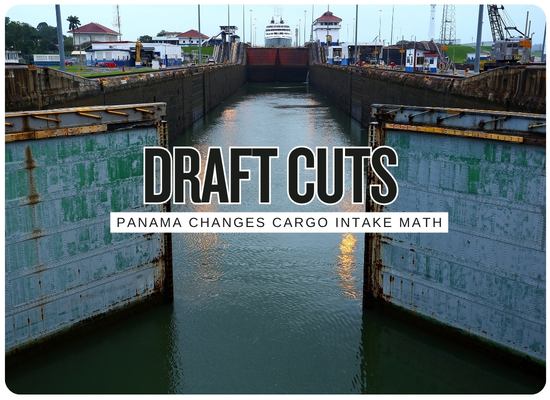
The Panama Canal’s next Neopanamax draft reductions are putting cargo intake, booking timing, and voyage planning back under review for ships using the larger locks. The maximum authorized draft is scheduled to step down to 49.0 feet Tropical Fresh Water on July 24, then to 48.5 feet on August 15, after the earlier move to 49.5 feet. For operators, shippers, charterers, forwarders, cargo owners, and ports, the update centers on how much payload flexibility remains when a vessel is planned close to the current allowance. The canal remains open and moving traffic, but the lower draft limits can affect loading assumptions, stowage decisions, slot timing, canal booking strategy, and alternate routing comparisons for vessels already operating near the margin.
Lower Draft Limits Put Payload Flexibility Under Review
The next Neopanamax reductions create a practical load-planning issue for vessels scheduled close to the Panama Canal’s draft allowance.
Draft Limit Step-Down
The allowance is scheduled to move to 49.0 feet on July 24 and 48.5 feet on August 15, reducing room for vessels planned near the prior limit.
Cargo Intake Exposure
Ships loaded close to the draft ceiling may need cargo trimming, revised stowage, lighter parcels, or a fresh payload calculation before canal transit.
Booking Timing
Voyages around the reduction dates need careful slot timing because a vessel acceptable under one draft level may face a different limit later in the schedule.
Route Comparison
For marginal cargo programs, operators may need to compare canal transit economics against alternate routing, cargo splits, or schedule adjustments.
Operator Readout
The main issue is payload certainty. The canal remains a working route, but lower draft limits change the margin for ships planned close to maximum intake. Operators should review draft, freshwater allowance, stowage, booking date, cargo nominations, and commercial exposure before locking the final load plan.
Panama Canal Draft Cut Watch
The next reductions narrow the load-planning margin for Neopanamax transits.
The Panama Canal’s scheduled draft cuts are a direct planning item for vessels using the Neopanamax locks. The allowance already moved to 49.5 feet and is scheduled to fall again in two steps. The commercial impact depends on each vessel’s loading plan, cargo type, stowage, freshwater allowance, booking date, and final arrival window.
Scheduled Neopanamax draft limit from July 24.
Scheduled Neopanamax draft limit from August 15.
Total planned reduction from 49.5 feet to 48.5 feet across the next two steps.
Draft Cut Planning Table
| Planning Item | Latest Readout | Commercial Meaning | Stakeholders Affected | Watch Level |
|---|---|---|---|---|
| Neopanamax draft allowance | 49.0 ft from July 24, then 48.5 ft from August 15 | Vessels planned near the current allowance may need revised loading assumptions. | Operators, charterers, shippers, agents | High |
| Cargo intake margin | Lower draft reduces room for maximum-load planning | Payload may need trimming if the vessel cannot meet the updated limit on arrival. | Cargo owners, terminal planners, voyage desks | High |
| Transit date exposure | Voyages near July 24 and August 15 need schedule checks | Arrival timing can decide which draft allowance applies to the transit. | Owners, brokers, forwarders, port agents | Watch |
| Stowage and trim planning | Final loading needs closer draft and stability review | Operational teams may need to adjust weight distribution, cargo mix, or final intake. | Masters, superintendents, terminal teams | Medium |
| Alternate route comparison | More relevant for high-value or time-sensitive cargo | Some cargo programs may compare canal transit with alternate routing or cargo splitting. | Charterers, cargo owners, logistics teams | Watch |
| Cost allocation | Draft-related cargo changes can create commercial friction | Contracts should be checked for delay, reduced intake, and route-change treatment. | Owners, charterers, brokers, legal teams | Medium |
Planning note: The key exposure is not the canal being closed. It is the loss of loading flexibility for vessels that were planned close to the previous draft allowance.
Panama Draft Cut Payload Estimator
Estimate possible cargo trim, lost freight value, and loading pressure from a Neopanamax draft reduction.
Modeled reduction from planned allowance to updated canal limit.
Estimated payload reduction using draft change and selected TPC.
Estimated value tied to the modeled cargo trim.
Estimated time-related cost from rework, waiting, or booking changes.
The modeled draft reduction creates visible cargo and schedule exposure.
Recheck loading planThis tool is for editorial and commercial sensitivity only. It does not replace vessel hydrostatic tables, canal authority advisories, class requirements, charterparty review, cargo contract terms, trim and stability calculations, demurrage calculations, or professional voyage planning.
We welcome your feedback, suggestions, corrections, and ideas for enhancements. Please click here to get in touch.