Hormuz: Maersk Holds Position, Tanker Lines Stay Cautious, and U.S. Workarounds Keep Gulf Oil Moving
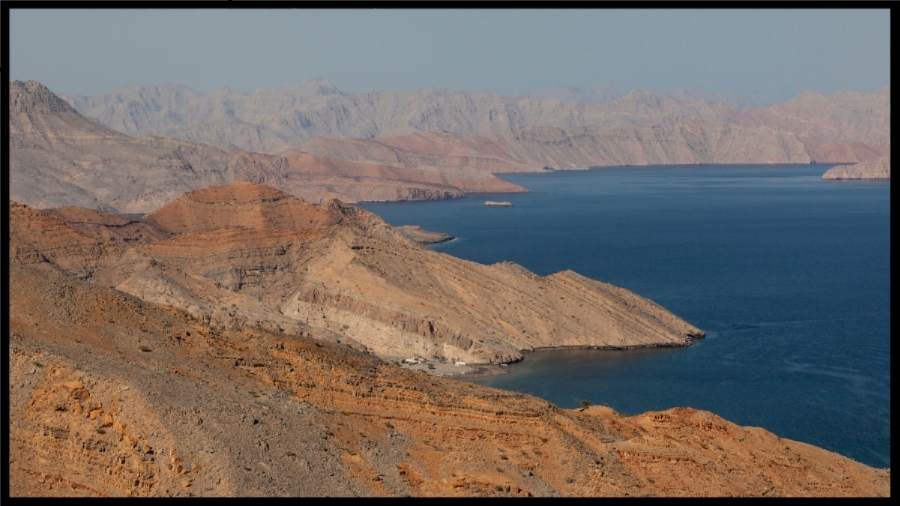
The latest Hormuz update is less about a clean reopening than about a slow, uneven restart after the U.S.-Iran agreement. Maersk said it welcomed the deal but made no change to its Middle East operations because the public details remain limited and it is still too early to judge the practical effect on logistics. At the same time, one of the world’s largest shipowners said traffic through Hormuz is likely to take weeks to resume in any meaningful way, even after the diplomatic breakthrough, because operators want proof that the agreement is real on the water and not only on paper. In parallel, U.S.-backed ship-to-ship transfers have been quietly helping move Gulf crude around the disruption, using shuttle tankers and offshore transfer points near Fujairah and Sohar to keep some exports flowing while normal Hormuz transit remains far below pre-war levels.
Shipping companies are still treating Hormuz as an abnormal operating zone, which keeps freight conditions tighter than a peace headline alone would suggest.
Insurers still need confidence that the agreement has become real on the water, not just diplomatic text, before risk pricing can cool meaningfully.
Quiet ship-to-ship transfer workarounds are helping move some Gulf oil, but the emergency structure is still more expensive and less efficient than open transit.
The main issue remains route confidence and restart timing, with owners still waiting before sending ships back through the strait at normal scale.
The market is still balancing between partial recovery and prolonged disruption, which keeps chartering decisions more tactical than settled.
| Pressure lane | Current marker | Immediate operating read | Why it matters now | Commercial consequence | Next checkpoint |
|---|---|---|---|---|---|
| Maersk’s operating stance | Maersk welcomed the U.S.-Iran agreement but said it has made no operational change in the region yet. Diplomacy has not yet changed routing | One of the world’s largest shipping groups is effectively saying that the deal is promising but not yet actionable. | That matters because market confidence usually improves only when large operators begin changing behavior, not only when governments announce agreements. | Cargo owners still have to plan around restricted Middle East operations until carrier behavior actually loosens. | Watch for the first formal carrier notices showing route changes, vessel returns or booking-policy shifts. |
| Restart timing after the deal | Mitsui O.S.K. Lines said Hormuz transit will take weeks to resume because shipowners need the agreement to become material in real operating conditions. Peace headline is not the same as shipping recovery | Operators are still waiting for proof that the strait is safe before resuming ordinary passage. | That matters because even a genuine political breakthrough does not instantly remove insurance, crewing and voyage-risk constraints. | Freight and supply-chain disruption can last beyond the diplomatic event that appears to end the crisis. | Watch whether tanker and gas-carrier operators begin quoting actual restart windows instead of open-ended caution. |
| Quiet U.S. workaround logistics | The U.S. military has been overseeing ship-to-ship oil transfers near Fujairah and Sohar to help Gulf oil move around the disruption. Improvisation is still replacing normal trade | Gulf exports have not relied only on formal reopening. They have also depended on a hidden workaround network. | That matters because it shows the market was not functioning normally even while oil continued to move. | Some volume has been preserved, but through a more expensive, fragile and politically sensitive system than open Hormuz transit. | Watch whether these transfers scale down as direct passage resumes or remain necessary longer than expected. |
| Scale of the transfer network | At least 92 ships and about 90 million barrels have moved through the workaround operation since early May. The backup system is substantial, not minor | The workaround is large enough to matter to energy balances, not just to isolated cargoes. | That matters because it helps explain why oil markets did not experience an even larger outright supply shock. | Energy markets may have been cushioned, but only by using a system that is difficult to normalize, insure and sustain long term. | Watch whether any official acknowledgment or regulatory scrutiny begins to surface around the transfer chain. |
| Risk appetite among shipowners | Mitsui O.S.K. Lines said shipping companies will need close coordination with governments, insurers and other stakeholders before resuming. Restart depends on alignment, not only optimism | Owners are still looking for a coordinated green light, not simply reading the deal as permission to sail. | That matters because shipping restarts can lag political agreements when risk-sharing structures have not yet caught up. | The commercial restart remains gated by insurer confidence, state guidance and internal shipowner approvals. | Watch for insurer language, flag-state notices and naval guidance that turns sentiment into operations. |
| Current Hormuz reality | The agreement improved headlines quickly, but major operators are still behaving as if the route remains abnormal and workaround oil logistics are still active. Recovery remains partial | The operating environment is better than at peak disruption, but it is not yet normal. | That matters because markets often overestimate how fast shipping returns after diplomatic announcements. | The global economy can still face elevated shipping, insurance and energy friction even after a deal has been reached. | Watch actual vessel counts and operator behavior more closely than political declarations over the next two weeks. |
We welcome your feedback, suggestions, corrections, and ideas for enhancements. Please click here to get in touch.