Yanbu Crude Surge Turns Saudi’s Red Sea Route Into a Pressure Valve
🔔 Subscribe to ShipUniverse Weekly →
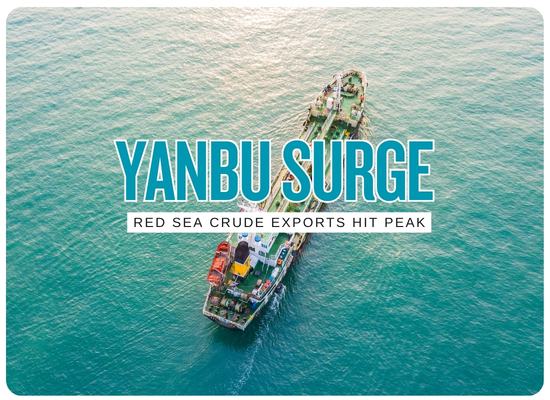
Saudi Arabia’s Red Sea crude gateway at Yanbu is operating near its upper shipment range as the kingdom pushes more barrels through its western export route during a period of heightened regional maritime risk. The latest vessel-tracking and industry data show daily crude loadings near 4.7 million barrels per day around July 13, a sharp jump from roughly 3.36 million barrels per day only days earlier and in line with earlier July peaks above 4.6 million barrels per day. The port has been averaging more than 4 million barrels per day since June, far above the level seen during the same period last year, as Saudi Arabia uses its Red Sea export option to keep crude flowing while security concerns around Yemen’s Houthi militia, Gulf routes, and wider Middle East energy logistics remain elevated. For tanker owners, charterers, brokers, insurers, ports, bunker suppliers, terminal operators, and refiners, Yanbu’s near-maximum loading pace creates a different operating picture: more Red Sea tanker demand, tighter berth scheduling, higher marine-service intensity, and a clearer focus on how much Saudi crude can move west when Gulf and Hormuz-linked risks rise.
Ship Universe Crude Flow Watch
Operator Impact Snapshot
Yanbu’s loading surge is turning the Red Sea route into a larger Saudi crude export outlet during regional tension.
The loading pace is now close enough to the port’s upper range that operators need to treat Yanbu as a high-intensity export hub, not a secondary outlet. That affects tanker availability, berth planning, scheduling discipline, and regional risk pricing.
Red Sea crude loading pressure
Yanbu shipments near 4.7 million bpd put heavy pressure on berth windows, terminal flow, tanker scheduling, and marine support activity.
Tanker demand shift
More barrels loading from the Red Sea can pull tonnage, ballast decisions, port agents, tugs, bunkers, and inspection services toward Saudi Arabia’s west coast.
Security-linked routing
The surge reflects a wider effort to keep crude exports moving while Gulf, Yemen, and regional maritime risks remain elevated.
Berth and laycan sensitivity
Near-maximum loading levels make timing more sensitive for arrivals, inspections, vetting, pilotage, cargo documents, and terminal readiness.
Supplier and service demand
Higher export intensity raises demand for port agency, bunkering, launch boats, safety services, spare parts, inspections, and tanker-support logistics.
Commercial Reading
Yanbu’s role is expanding from strategic backup route to active high-volume outlet. The port gives Saudi crude a western export path, but near-maximum utilization also means less operational cushion if delays, weather, inspections, security concerns, or pipeline flow issues appear.
- Tanker owners: track ballast economics, Red Sea security notices, terminal acceptance, vetting status, and waiting-time exposure.
- Charterers: tighten laycan planning, loading warranties, delay language, and substitute cargo or terminal options.
- Insurers: monitor Red Sea transit exposure, war-risk areas, Houthi-related threat levels, and terminal-concentration risk.
- Brokers: watch whether more Red Sea loading changes VLCC and Suezmax availability around the Gulf and Mediterranean.
- Suppliers: prepare for higher call intensity, faster service requests, offshore support demand, and more schedule-sensitive deliveries.
Yanbu Crude Flow Board
Loadings, Capacity Pressure, and Red Sea Tanker Signals
The latest shipment data shows Yanbu operating at a much higher crude export rhythm than normal seasonal levels.
Latest Loading Setup
Reported around July 13, putting Yanbu close to maximum crude shipment levels.
Reported around July 2, showing the elevated Red Sea export pace has persisted.
Increase from roughly 3.36 million bpd around July 10 to 4.7 million bpd around July 13.
Loadings have averaged above 4 million bpd since June, based on reported vessel-tracking data.
Crude Flow Table
| Issue Area | Latest Detail | Market Effect | Stakeholder Move | Pressure Meter |
|---|---|---|---|---|
| Yanbu Loadings Near maximum pace | Daily crude shipments reached roughly 4.7 million bpd around July 13, near the upper end of reported port flow. | Higher Red Sea loading intensity supports tanker demand but reduces spare scheduling cushion. | Confirm berth windows, cargo documents, vetting status, terminal readiness, and expected waiting time before arrival. |
High
|
| Short-Term Acceleration July 10 to July 13 | Reported loadings rose from about 3.36 million bpd to 4.7 million bpd in only a few days. | Rapid increases can strain nominations, tanker arrival timing, storage coordination, and agency support. | Build extra tolerance into laycan management, berth confirmation, and port-service scheduling. |
High
|
| Red Sea Route Value West coast export option | Yanbu gives Saudi crude a Red Sea outlet when Gulf and Hormuz-linked routing becomes more sensitive. | More westbound crude can alter tanker positioning, freight ideas, and refinery supply planning. | Compare Yanbu loading against Ras Tanura, Gulf liftings, Suez economics, and destination discharge options. |
Medium High
|
| Security Context Regional tension | The surge is occurring as tensions involving Yemen’s Houthi militia and regional maritime security remain elevated. | War-risk pricing, crew confidence, routing guidance, and naval advisories can change quickly. | Review war-risk notices, Red Sea transits, company security level, crew briefings, and insurer requirements. |
Watch
|
| Terminal Concentration Reduced operating cushion | A near-maximum loading pace means minor delays can create more visible scheduling pressure. | Weather, inspection issues, pilotage, terminal constraints, or documentation errors can become more costly. | Keep arrival notices, cargo readiness, vetting approvals, and port-agent communication tight. |
High
|
| Service Market Marine and logistics support | Higher crude export activity increases demand for bunkers, port agency, launches, tugs, inspection support, and spare parts. | Suppliers with fast response and Saudi west coast coverage may see stronger call activity. | Prepare availability calendars, compliance files, service-rate sheets, and rapid-response contacts for tanker operators. |
Medium High
|
Yanbu Loading Pressure Calculator
Estimate tanker calls, berth utilization, delay exposure, and Red Sea routing pressure from crude loading volumes.
This tool helps tanker owners, charterers, brokers, terminal planners, insurers, and suppliers model the operating impact of a high-volume Yanbu crude export program.
Capacity Utilization
94%
Estimated share of practical loading ceiling currently being used.
Estimated Tanker Calls
71 calls/month
Approximate monthly cargo liftings based on selected cargo size.
Berth Load
83%
Estimated berth workload based on calls, turnaround time, and active berth count.
Delay Cost Per Vessel
$117,000
Estimated delay cost if the system tightens around high loading levels.
Port Pressure Signal
Yanbu is operating in a tight crude-loading environment under these assumptions. Berth timing, vetting, security guidance, and delay-cost allocation should be checked before fixture commitment.
We welcome your feedback, suggestions, corrections, and ideas for enhancements.
Please click here to get in touch