Poland’s Gdańsk LNG Expansion Sets Up a New Baltic Gas Hub
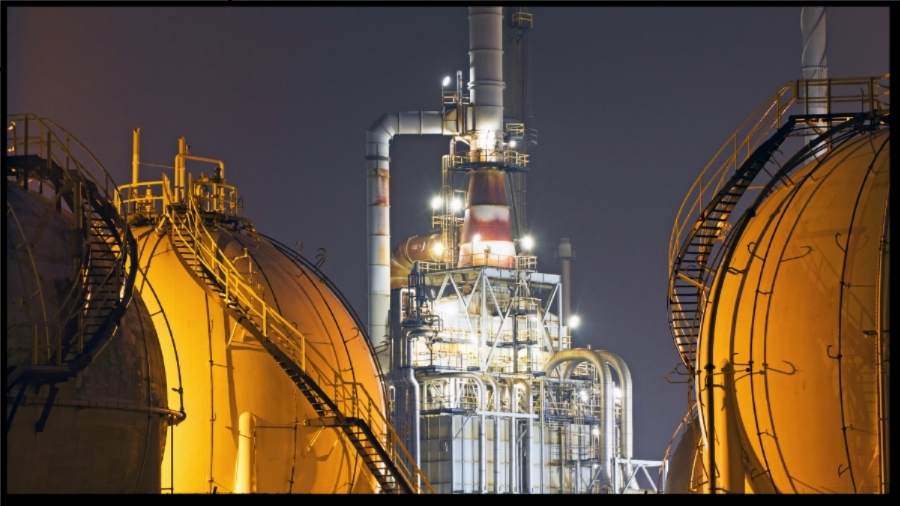
Poland is moving toward a second floating LNG import unit at Gdańsk, expanding a project that was already designed to add a new Baltic gateway for seaborne gas. Gaz-System’s Gdańsk FSRU program is built around floating storage and regasification vessels that receive LNG cargoes, store the fuel onboard, convert it back into gas, and send it into Poland’s transmission network. The first Gdańsk unit is planned at 6.1 bcm per year and is scheduled for commissioning in 2028, while the newly advanced second unit would add another 6.1 bcm per year, lifting the Gdańsk floating terminal concept to 12.2 bcm annually if both vessels are completed as planned. With Świnoujście already expanded to 8.3 bcm per year, Poland is building a larger LNG import platform that can serve domestic demand and support regional flows into Central and Eastern Europe, including markets seeking flexible non-Russian gas supply through the Baltic route.
Ship Universe LNG Infrastructure Watch
Operator Impact Snapshot
Poland’s second Gdańsk FSRU plan would expand Baltic LNG import capacity and create new demand across vessels, terminals, ports, and gas logistics.
The Gdańsk expansion is a direct signal to LNG carriers, port service providers, FSRU operators, marine equipment suppliers, gas traders, pipeline planners, and regional cargo buyers. The project adds another layer to Poland’s LNG import network and creates a larger floating terminal platform in the Gulf of Gdańsk.
FSRU vessel demand
A second floating unit increases demand for specialized FSRU capacity, marine engineering, regasification equipment, mooring systems, crew support, and long-term terminal operations.
Baltic LNG shipping activity
More regasification capacity at Gdańsk would support higher LNG carrier call potential, creating new scheduling, pilotage, towage, bunkering, agency, and port-service requirements.
Regional gas flows
Poland is positioning Gdańsk not only as a domestic supply point, but also as a regional supply platform for neighboring Central and Eastern European markets.
Final capacity bookings
Market interest has pushed the second unit forward, but binding capacity agreements, tariff structure, ship procurement, and construction sequencing remain critical checkpoints.
Supplier and contractor pipeline
Terminal expansion can create follow-on demand for cryogenic systems, valves, vaporizers, subsea and jetty works, monitoring systems, security, inspection, and maintenance contracts.
Commercial Reading
Poland’s second Gdańsk FSRU plan gives the maritime LNG sector a clearer long-cycle opportunity. This is not just a gas-market decision. It affects shipping capacity, port calls, offshore terminal infrastructure, pipeline interconnection, gas storage coordination, and regional energy logistics.
- FSRU owners: watch for tender timing, charter structure, delivery slot requirements, conversion options, and long-term operating terms.
- LNG carriers: expect future call growth around the Baltic if both Gdańsk units move into steady commercial operation.
- Port operators: prepare for higher safety, traffic, pilotage, towage, exclusion-zone, and emergency-response planning needs.
- Equipment suppliers: track vaporization, cryogenic, metering, automation, power, mooring, and maintenance packages tied to the second unit.
- Gas buyers: monitor booking results and regional delivery options as Poland builds a larger LNG import position.
Baltic LNG Expansion Board
Gdańsk FSRU Growth Map
A second floating unit would turn Gdańsk into a larger LNG import platform with wider regional shipping and gas-market impact.
Capacity Reset
Poland’s Gdańsk FSRU project is moving from a single floating terminal concept toward a two-vessel platform. The first unit is designed for 6.1 bcm per year, and the second unit is now being advanced at the same 6.1 bcm per year level. Combined with the expanded Świnoujście terminal, Poland’s LNG import network would have a far larger Baltic-facing intake base.
Operating annual regasification capacity after terminal expansion.
First floating unit planned for commissioning in 2028.
Second floating unit now being advanced after strong market interest.
Combined annual capacity if Świnoujście and both Gdańsk units are available as planned.
Expansion Table
| Decision Area | Current Position | Second FSRU Effect | Maritime Reading | Impact Meter |
|---|---|---|---|---|
| Import Capacity Baltic gas intake | Poland already has expanded Świnoujście capacity and a first Gdańsk FSRU moving toward the 2028 operating window. | A second 6.1 bcm per year floating unit would lift Gdańsk’s planned floating capacity to 12.2 bcm per year. |
High Growth The import base becomes large enough to support both domestic flexibility and regional resale or transit strategies. |
High
|
| FSRU Market Floating terminal demand | One Gdańsk FSRU creates demand for a single long-term floating terminal package and related shore connection works. | Two units would expand vessel procurement, O and M planning, spare-part strategy, crew systems, and long-term technical support. |
Vessel Watch The key commercial question is vessel availability, charter structure, construction timing, and delivery slot risk. |
Elevated
|
| LNG Carrier Calls Shipping schedule | A single Gdańsk unit already creates a new destination for LNG cargoes into the Baltic. | Added regasification capacity could support a larger annual cargo program, depending on utilization, seasonality, and booking structure. |
More Calls Pilots, tugs, agencies, inspection providers, bunker suppliers, and port safety teams gain a bigger planning runway. |
High
|
| Regional Flows Central Europe supply | Poland’s LNG network already supports supply diversification through Świnoujście, Baltic Pipe, storage, and cross-border links. | The second FSRU gives Poland more room to serve Ukraine, Slovakia, Czechia, Lithuania, and other regional demand pockets. |
Route Leverage Commercial value depends on pipeline availability, booked capacity, price spreads, storage needs, and offtaker credit quality. |
Medium High
|
| Port Services Gdańsk marine activity | The first FSRU requires specialized terminal safety, exclusion-zone planning, navigation support, and emergency response. | A second unit increases the intensity of berth management, security planning, traffic coordination, crew access, and technical standby. |
Service Lift Local marine suppliers gain a stronger case for investing in LNG-capable personnel, equipment, training, and response systems. |
High
|
| Contract Risk Bookings and delivery | The first phase is already tied to a defined project schedule and transmission-network integration. | The second phase still needs binding capacity commitments, final investment structure, procurement details, and a clean execution timeline. |
Execution Test Strong market interest is not the same as completed capacity. The project still has to convert demand into contracts and hardware. |
Elevated
|
| Supplier Opportunity Equipment and support | FSRU 1 creates demand for regasification systems, metering, jetty interfaces, safety systems, pipeline links, and operations support. | A second unit can duplicate or expand demand for vaporization, valves, hoses, loading arms, automation, marine security, inspection, and maintenance. |
Vendor Opening Suppliers with LNG references, documentation speed, Baltic service reach, and fast-response capability may be well positioned. |
Medium High
|
Project Sequence
The next phase is likely to be judged by the market through a series of practical milestones rather than one announcement.
Poland LNG Capacity Planner
Estimate the import, shipping, and regional export effect of adding a second Gdańsk FSRU.
This planning tool turns the Gdańsk FSRU expansion into a practical capacity readout. Adjust terminal capacities, utilization, cargo size, and regional export share to estimate annual gas throughput, LNG carrier calls, domestic coverage, and exportable supply.
Total Nameplate Capacity
20.5 bcm
Combined annual LNG regasification capacity from Świnoujście, Gdańsk FSRU 1, and Gdańsk FSRU 2.
Usable Throughput Estimate
16.8 bcm
Capacity adjusted by the utilization rate entered above.
Estimated LNG Carrier Calls
168 calls
Approximate annual LNG cargo count based on average cargo gas equivalent.
Regional Supply Window
3.5 bcm
Estimated exportable supply from usable Gdańsk throughput based on the selected regional share.
LNG Hub Strength Score
The combined platform is strong enough to support domestic supply flexibility and a meaningful regional LNG role, assuming bookings and execution stay on track.
We welcome your feedback, suggestions, corrections, and ideas for enhancements. Please click here to get in touch.