Black Sea Strikes Shadow Fleet Pressure and Port Risk Are Rewriting Maritime Trade Again
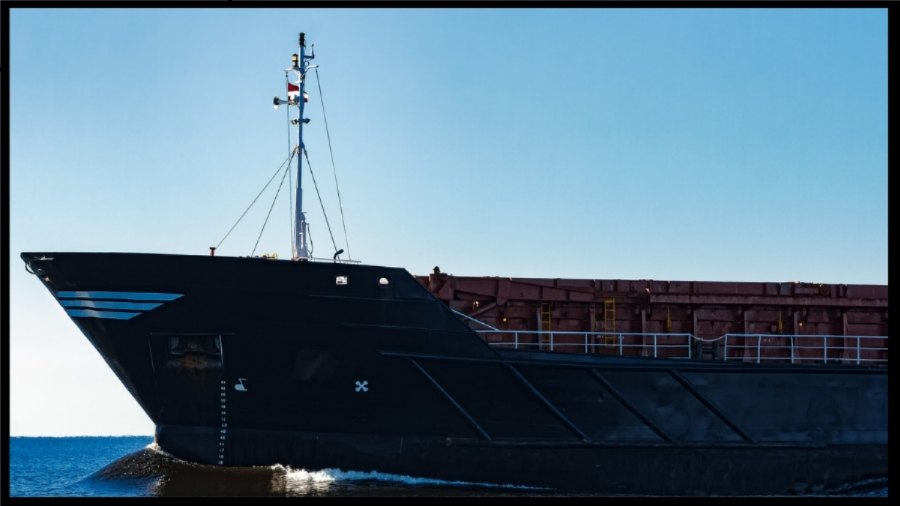
The Black Sea picture is shifting through three channels at the same time. Russian attacks are still hitting Ukraine’s export system around Odesa and the Danube, including foreign-flagged merchant ships and port infrastructure. Ukraine is also widening pressure on Russian seaborn energy logistics, including port and oil infrastructure tied to Baltic and Black Sea export flows. At the same time, Europe is tightening scrutiny of Russia-linked shadow-fleet shipping, which is changing the enforcement and insurance mood around nearby waters. Taken together, those trends mean the Black Sea story is no longer just about whether Ukraine can keep a corridor open. It is also about how long operators can absorb higher uncertainty around port calls, freight planning, vessel safety, war-risk pricing, sanctions exposure, and cargo timing.
Black Sea Pressure Is Expanding Beyond the Corridor Itself
Merchant Ship Risk Has Moved Back to the Front of the Story
The latest Black Sea update is not just about port damage or one more military headline. It is about the return of direct commercial shipping risk alongside continued infrastructure pressure. When foreign-flagged merchant ships can still be struck near Ukraine’s export approaches, every successful transit carries a different commercial meaning. The route may remain open, but it is not operating inside anything close to normal maritime conditions.
That distinction matters because freight, insurance, charter-party wording, and crew confidence do not respond only to whether ships are moving. They respond to whether the route can be treated as commercially stable. In the current environment, stability is weaker than continuity.
Recent Russian drone attacks reportedly struck three merchant vessels operating near Ukraine’s maritime export route, underscoring that commercial traffic remains exposed.
More than ninety percent of Ukraine’s agricultural exports move through the Odesa hub, making repeated attacks there especially important for trade planning.
The maritime pressure is now hitting both Ukraine’s export chain and Russia’s own seaborne oil logistics, broadening the shipping impact well beyond one corridor.
Odesa Still Carries the Heaviest Commercial Weight
For operators, the central fact remains that Odesa is still the core of Ukraine’s seaborne export machine. If attacks continue degrading terminal performance, the problem is not confined to local damage reports. Cargo timing gets harder, inland storage pressure builds, fallback routes become more expensive, and the Danube system is asked to absorb more than it was designed to handle efficiently.
The practical takeaway is that Black Sea risk now behaves more like a rolling logistics tax than a one-off disruption. It raises the cost of every decision around loading windows, vessel choice, contingency planning, and trade execution.
Operator readout: The route is still commercially relevant, but every additional hit on Odesa or nearby approaches increases the chance that cargoes keep moving while economics quietly worsen underneath them.
Russian Oil Logistics Are Also Under Growing Maritime Pressure
The second layer of the story is that Ukraine is no longer only defending its own export system. It is also attacking Russian energy and shipping-linked infrastructure tied to seaborne oil flows. That matters because Russian port and refinery disruption can affect tanker scheduling, loading reliability, and the wider regional freight mood even when Ukrainian cargo routes are the main focus.
This broadens the maritime picture from a corridor defense story into a two-sided logistics contest. Black Sea stakeholders now have to watch Ukrainian export resilience and Russian export fragility at the same time.
Commercial caution: The more the conflict spreads into energy logistics, the more freight decisions in nearby waters are shaped by uncertainty around timing, documentation, insurance review, and sanctions screening rather than by headline vessel supply alone.
Stakeholder Impact Across the Maritime Chain
- ①Shipowners: Passage is still possible, but the balance between earnings, war-risk exposure, and operational uncertainty has become harder to read cleanly.
- ②Charterers: Fixture timing, route clauses, and fallback port logic matter more when both vessel safety and export-node reliability remain in play.
- ③Insurers: Recent attacks on merchant ships keep reminding the market that route functionality and route insurability are not the same thing.
- ④Brokers and traders: The Black Sea is still tradable, but cargo execution now depends more heavily on contingency thinking and counterparty quality.
- ⑤Sanctions teams: Shadow fleet enforcement is becoming part of the same regional operating picture, not a separate compliance sidebar.
Black Sea Tensions Table for Maritime Stakeholders
| Pressure Lane | Current Readout | What Is Happening | Importance | Stakeholders Hit First | Market Signal to Watch |
|---|---|---|---|---|---|
|
Odesa export hub
Ukraine’s core seaborne export system remains the biggest single maritime pressure point.
|
High | Repeated strikes have damaged terminal infrastructure and raised concern about deeper export disruption if attacks continue. | More than a local port issue, this affects cargo timing, storage pressure, freight planning, and the cost of replacing Odesa throughput elsewhere. | Exporters, dry bulk charterers, terminal interests, grain traders, and Black Sea shipowners. | Whether physical damage begins cutting actual throughput harder rather than merely increasing operational friction. |
|
Merchant vessel safety
Commercial ships are again part of the risk story, not just nearby observers.
|
High | Recent attacks reportedly hit multiple foreign-flagged vessels near Ukraine’s maritime export corridor, including a deadly strike on one ship. | Every fresh incident feeds war-risk pricing, crew concern, charter negotiations, and route-choice caution even if sailings continue. | Owners, P&I clubs, charterers, brokers, and crew managers. | Whether attacks remain isolated enough for operators to absorb or begin pushing visible changes in calling behavior. |
|
Danube fallback routes
The backup system still helps, but it remains a costlier and narrower release valve.
|
Watch | Danube-linked routes continue serving as alternatives when Odesa faces damage or delay, but they do not replace main-hub economics. | Fallback cargoes can move, but usually with less efficiency, tighter capacity, and more friction for operators and exporters. | Smaller bulk operators, river-port logistics players, and cargo planners managing displaced flows. | How much additional cargo the Danube system is forced to absorb if Odesa pressure worsens again. |
|
Russian oil logistics
The maritime conflict is now hitting Russia’s export-linked energy chain more visibly too.
|
Medium to High | Ukraine has continued attacks on Russian oil and export-linked infrastructure including Tuapse, while Novorossiysk and earlier Baltic terminals have also faced disruption. | This broadens the shipping impact from Ukraine’s corridor into tanker scheduling, loading reliability, and energy-trade sentiment. | Tanker owners, energy traders, oil terminals, and sanctions analysts. | Whether repeated disruption starts changing loading windows and export continuity in a more sustained way. |
|
Shadow fleet enforcement
Sanctions pressure is becoming a live operating variable for the wider regional market.
|
Rising | European action has become more visible, including a UK interception of a sanctioned tanker and earlier Swedish seizures tied to suspected false-flag shadow-fleet activity. | That raises counterparty risk, documentary risk, flag scrutiny, and the cost of getting Russia-linked trades wrong. | Compliance teams, insurers, tanker owners, traders, and ship registries. | Whether enforcement becomes more coordinated and more disruptive to marginal fleet activity around Europe and nearby waters. |
|
Insurance and voyage economics
The pressure is cumulative, not just event-driven.
|
Watch | Port strikes, vessel attacks, rerouting pressure, and compliance tightening all keep adding smaller costs and delays to each decision. | Even when trade flows continue, voyage economics can deteriorate quietly through premiums, waiting time, and extra review layers. | Owners, charterers, brokers, financiers, and marine service firms. | Whether the region keeps trading through disruption or starts repricing more aggressively across multiple cargo chains at once. |
This table is meant to help maritime readers separate direct Black Sea route risk from the wider spillover now affecting energy logistics, sanctions enforcement, and commercial confidence around Russia-linked shipping.
Black Sea Maritime Exposure Estimator
Use this tool to estimate where your operation is feeling the most pressure right now across port dependence, vessel exposure, sanctions friction, and contingency strength.
Your current setup suggests that dependence on the Ukrainian export hub remains the biggest operational pressure point.
The current mix points to a meaningful but still manageable Black Sea exposure profile.
Your contingency strength appears to be the area most likely to amplify disruption when pressure rises.
The region remains commercially active, but the exposure mix still argues for caution and stronger contingency discipline.
This tool is for editorial and planning use. It does not calculate actual war-risk premium, freight rates, sanctions liability, legal exposure, or vessel-specific route approval.