Hormuz Shipping Rebound Looks Fragile as Gulf Operators Face Mixed Signals
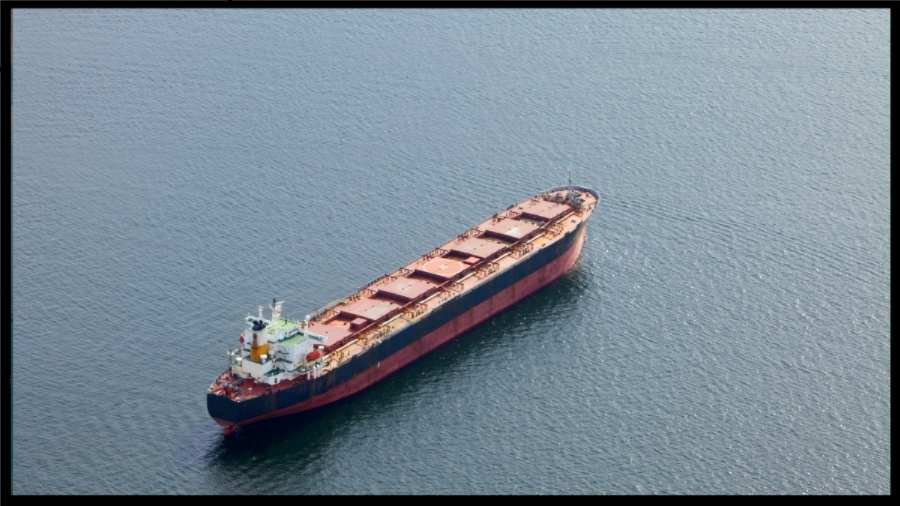
The Strait of Hormuz is no longer in a simple “closed or open” phase. The latest traffic picture looks more like a cautious restart, with some oil and LNG movements resuming, some vessels still holding back, and operators reading every political signal before committing tonnage. Recent reporting showed four Qatari-controlled LNG carriers moving back toward the Gulf even as overall shipping remained reduced, while separate updates pointed to renewed U.S.-Iran talks, Iranian claims around Hormuz restrictions, and Washington pushing a different message on safe passage and escalation risk. For shipowners, charterers, insurers, brokers, and energy buyers, the practical takeaway is uncomfortable but clear: Hormuz traffic is recovering, but not evenly enough to price the route like normal yet. The Strait remains central to global energy flows, with official energy agencies describing it as a critical corridor for roughly one-fifth of global LNG trade and a major share of oil flows.
Hormuz traffic is moving again, but confidence is lagging the vessel count
The commercial signal is not a clean recovery. LNG carriers, crude tankers, product cargoes, insurers, and chartering desks are each moving at a different speed.
Ships are not behaving as if the Strait is fully normalized. The key issue is no longer only physical access, but whether crews, owners, underwriters, and charterers trust the next 48 to 96 hours.
Qatar-linked LNG, Gulf crude, condensate, LPG, and refined products remain the cargo groups most exposed to a stop-start recovery because alternative routes cannot replace the core Gulf export stream.
Even when ships move, underwriters may still price the route as a live political risk zone. The premium conversation is likely to remain ahead of the traffic recovery curve.
For spot fixtures, hesitation can quickly become a commercial cost. A ship that waits outside the Gulf, enters too early, or faces a port queue can all produce different but expensive outcomes.
Hormuz recovery signals by stakeholder group
The route is moving from emergency disruption into managed uncertainty. The table below converts the latest signals into practical commercial exposure.
| Stakeholder | Current read | Operational pressure | Commercial risk | Likely next move | Exposure level |
|---|---|---|---|---|---|
| Crude tanker owners | Transit windows are improving, but voyage confidence remains uneven. | Security routing, crew briefings, AIS instructions, and waiting-time decisions. | War-risk premium disputes, off-hire arguments, delayed cargo programs. | Fix selectively and keep deviation language tight. | High |
| LNG carrier operators | Movement by Qatar-linked tonnage is a major signal, but not a full reset. | Terminal timing, buyer nomination pressure, limited alternative export routing. | Delivery slippage, spot replacement costs, portfolio stress for buyers. | Prioritize firm approvals before entering the corridor. | High |
| Product tanker desks | Recovery can help refined-product flows, but volatility remains in voyage planning. | Port queues, cargo readiness, short-notice terminal changes. | Freight premium volatility and demurrage exposure. | Use wider laycan planning and clearer customer updates. | Watch |
| Charterers | Open water does not remove the risk of a changed instruction mid-voyage. | Balancing cargo urgency against security approvals and insurance terms. | Higher freight, missed windows, buyer pressure, and contract friction. | Document risk acceptance before voyage orders are issued. | High |
| Marine insurers | Traffic recovery may not justify immediate normalization of pricing. | Assessing political tone, incident probability, and vessel-specific exposure. | Premium adjustments, coverage restrictions, and claims sensitivity. | Keep pricing dynamic until incident-free transits build. | High |
| Ports and terminals | Clustering risk may rise if ships re-enter in waves. | Berth planning, pilots, tugs, inspectors, storage, and documentation. | Queue delays and uneven cargo handoff. | Prepare for surges rather than smooth normalization. | Watch |
| Energy buyers | Physical supply anxiety is lower than during peak disruption, but not gone. | Inventory cover, alternate supply, and delivery confidence. | Replacement cargo costs and schedule slippage. | Maintain backup supply options until the route stabilizes. | Watch |
| Ship managers | The crew-safety file is still as important as the commercial file. | Master guidance, BMP-style measures, communications, and welfare. | Refusal risk, escalation exposure, and post-voyage scrutiny. | Keep every transit decision documented and crew-facing. | Medium |
Hormuz Exposure Pulse
A practical planning tool for owners, charterers, brokers, and risk teams comparing the pressure around a proposed Gulf transit.
This voyage should be treated as commercially possible but not routine. Build the file around insurance approval, delay language, crew guidance, and customer notice before the vessel commits.