Hormuz Transit Confusion Keeps Gulf Shipping on Alert
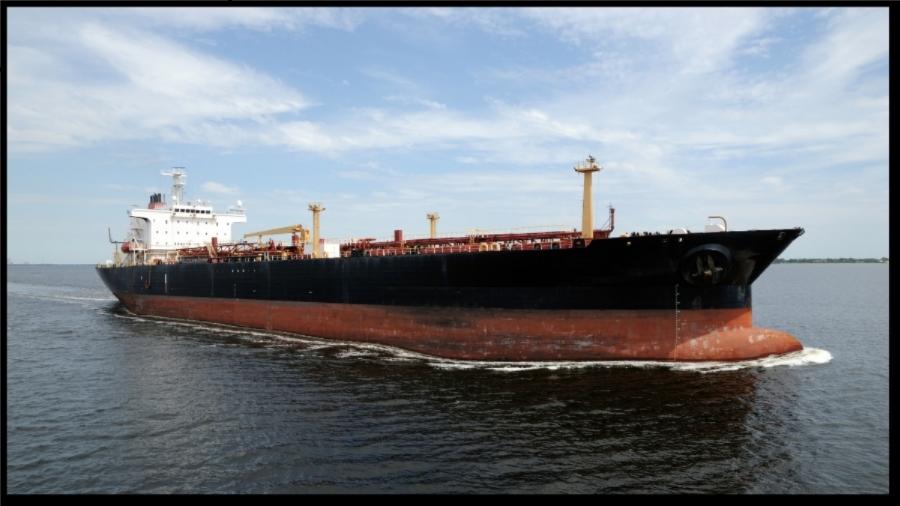
Washington and Tehran are sending different signals over ship movements through the Strait of Hormuz, leaving operators with a recovery story that is still difficult to trade, insure, and schedule with confidence. Recent ship-tracking updates show more tankers and Qatar-linked LNG vessels moving through or back toward the Gulf, including empty LNG carriers returning for future loadings and crude tankers resuming passages after earlier slowdowns. At the same time, public messaging remains unsettled: U.S. officials are emphasizing safe transit, sanctions flexibility, and continued negotiations, while Iranian messaging has included claims about closure, transit terms, control of the waterway, and future conditions for commercial passage.
Mixed Hormuz messaging turns a traffic rebound into a planning problem
Ships are moving again, but the commercial system around each voyage is still working through political risk, insurance caution, and schedule uncertainty.
Movement through the Strait is improving, but the split between public claims and operating behavior keeps owners from treating the route as routine.
Underwriters may need more than visible vessel movement before they ease war-risk pricing, coverage conditions, or voyage-specific approvals.
LNG, crude, condensate, LPG, and refined products remain exposed because Gulf export logistics depend heavily on uninterrupted Hormuz passage.
Uneven vessel flows can delay spares, services, inspections, bunker planning, pilots, tugs, and berth schedules even when the waterway is technically passable.
Hormuz signal map for maritime stakeholders
The table converts the split messaging into practical exposure for the desks most likely to feel the cost first.
| Stakeholder | Current signal | Pressure point | Commercial exposure | Smart operating posture | Risk read |
|---|---|---|---|---|---|
| Crude tanker owners | Passages are returning, but voyage confidence is still tied to public signals and security guidance. | War-risk approval, crew instructions, deviation rights, waiting time, and AIS handling. | Premium increases, demurrage friction, off-hire disputes, and rejected voyage orders. | Fix selectively and keep every risk acceptance step documented. | High |
| LNG carrier operators | Qatar-linked returns are encouraging but do not equal full schedule normalization. | Ballast returns, laden departures, terminal timing, buyer nominations, and limited alternatives. | Delivery slippage, replacement cargo cost, and portfolio pressure for buyers. | Match transit decisions to firm insurance and terminal readiness. | High |
| Charterers | Open passage does not remove the chance of a changed instruction mid-voyage. | Laycan risk, cargo urgency, freight premium, and customer delivery pressure. | Higher freight, missed windows, buyer claims, and disputed risk allocation. | Put premium, delay, and deviation language in writing before orders. | High |
| Marine insurers | Traffic recovery is useful but still not enough for immediate normalization. | Fresh incident probability, detention risk, political reversal, and claims complexity. | Coverage restrictions, added warranties, higher premiums, and tighter notification windows. | Price dynamically until repeated stable transits build confidence. | High |
| Port and terminal teams | Ships may return in bursts instead of smooth flows. | Berths, pilots, tugs, inspectors, surveyors, storage, and cargo documentation. | Queue delays, cargo handoff problems, and service bottlenecks. | Prepare for clustered arrivals and short-notice schedule changes. | Watch |
| Bunker and marine suppliers | Service demand can swing quickly if vessels wait, then move in groups. | Bunker stems, spares, technicians, launch boats, safety gear, and agency support. | Missed service windows, urgent pricing, and port-call compression. | Keep flexible dispatch capacity and early customer communication. | Watch |
| Energy buyers | Supply anxiety is lower than peak disruption but not fully removed. | LNG inventory, refinery runs, replacement cargoes, and delivery assurance. | Higher spot replacement costs and contract pressure if schedules slip. | Maintain backup cargo optionality until traffic and messaging stabilize together. | Watch |
| Ship managers | Crew safety and voyage documentation remain central to each transit decision. | Master guidance, communications, drills, welfare, and escalation protocol. | Operational refusal risk, crew stress, and post-voyage scrutiny. | Keep crew-facing guidance current and specific to the transit window. | Medium |
Hormuz Transit Confidence Index
A practical scoring tool for comparing whether a proposed Gulf transit looks routine, cautious, or commercially strained.
This transit is workable, but not routine. The voyage file should be tightened around war-risk terms, schedule buffer, port readiness, and customer notification.