Germany Pivots From F126 Frigates to TKMS Warship Plan
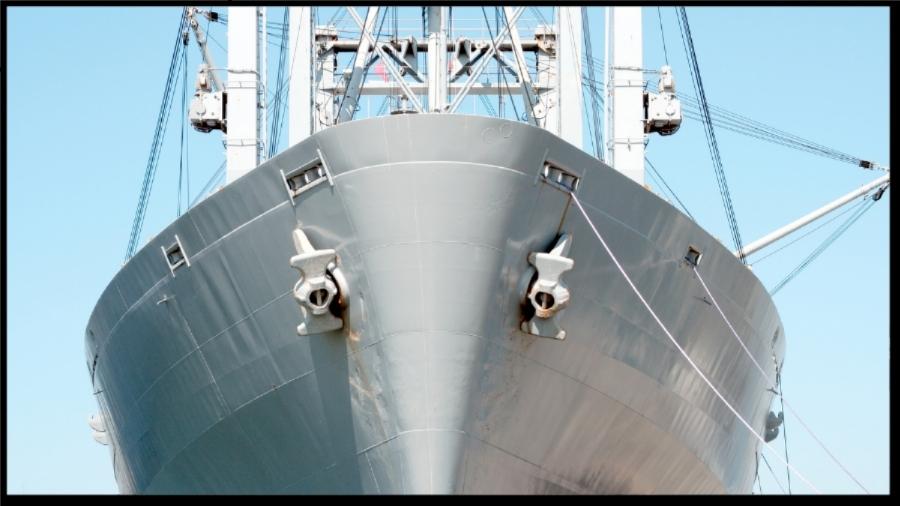
Germany has formally moved away from its troubled F126 frigate program after years of delay, rising cost expectations, and growing uncertainty over whether the original shipbuilding structure could deliver the vessels on a workable timeline. The F126 plan had been designed as one of the German Navy’s largest modern surface-combatant procurements, with six large frigates planned under a program tied to Damen Naval, German yards, and later pressure around a potential Rheinmetall-linked takeover path. Instead of continuing that course, Berlin is shifting toward a new TKMS-led frigate plan built around the MEKO A-200 DEU design, with eight smaller ships expected to support Germany’s naval requirements, especially anti-submarine warfare duties for NATO and Baltic-facing operations.
Ship Universe Naval Procurement Watch
Operator Impact Snapshot
Germany’s frigate reset changes the near-term naval shipbuilding map for yards, systems suppliers, naval planners, and defense contractors.
The shift from F126 to the TKMS MEKO A-200 DEU plan is more than a paper procurement change. It affects shipyard capacity, combat-system integration, supplier timing, steel and module work, naval electronics demand, and the delivery assumptions around Germany’s future surface fleet.
F126 contract disruption
The termination creates immediate uncertainty for companies tied to the old build chain, including yards, engineering teams, naval system vendors, and project-management groups.
TKMS order momentum
The new plan places TKMS at the center of Germany’s next frigate procurement track and could strengthen domestic naval construction capacity if the full eight-ship path moves ahead.
Supplier reshuffling
Equipment suppliers should expect a fresh round of requirements around propulsion, sensors, combat systems, weapons handling, automation, communications, survivability, and onboard support systems.
Fleet delivery gap
Germany still needs new hulls on the water. The key watchpoint is whether the TKMS route can deliver usable capability faster than the F126 recovery path would have done.
NATO maritime posture
The anti-submarine focus points toward Baltic and North Atlantic requirements, placing sonar, quieting, aviation support, and undersea surveillance systems higher on the procurement list.
Commercial Reading
The new procurement direction creates winners, losers, and a large amount of follow-on work that still has to be defined. For the supply chain, the immediate question is not only which shipbuilder leads the program. It is which systems, yards, integration partners, and specialist suppliers become part of the replacement build.
- Shipyards: prepare for capacity questions around hull sections, outfitting, steel work, modular construction, and delivery sequencing.
- Equipment suppliers: watch for updated specifications tied to anti-submarine warfare, sensors, communications, power systems, and survivability.
- Naval systems companies: integration risk remains a central issue after the F126 experience, so proven delivery records may carry extra weight.
- Defense investors: the decision changes expected order flow across Rheinmetall, TKMS, Damen-linked partners, and the German naval industrial base.
- Fleet planners: the revised plan needs to close capability gaps without allowing another long delivery delay to develop.
Procurement Reset Board
The move from F126 to TKMS changes Germany’s naval acquisition path, industrial allocation, and supplier opportunity map.
Program Shift
Germany’s F126 decision closes the current path for a large frigate program that had become difficult to reconcile with schedule, cost, and contractor-risk expectations. The program had been intended to deliver large surface combatants for the German Navy, but rising cost projections and delay exposure pushed Berlin toward a different route.
The replacement plan centers on TKMS and the MEKO A-200 DEU design. This is a smaller frigate concept than the F126, but the planned eight-ship structure could offer a clearer production rhythm if contracts, yard slots, supplier packages, and integration work are aligned quickly. The emphasis on anti-submarine warfare also shifts attention toward undersea detection, embarked helicopters, acoustic quieting, mission systems, and NATO maritime commitments.
Program Comparison
| Area | F126 Path | TKMS MEKO A-200 DEU Path | Maritime Industry Signal |
|---|---|---|---|
| Program status | Terminated after delays, cost escalation, and project-risk concerns. | Replacement direction built around eight smaller frigates. | Major reset |
| Industrial lead | Originally tied to Damen Naval with German yard participation and later takeover discussions. | Centered on TKMS, with possible involvement from other German shipbuilding capacity. | Domestic shift |
| Cost picture | Projected continuation costs moved sharply higher than the initial procurement frame. | New plan is expected to be materially lower than the continuation scenario while still requiring major funding. | Budget watch |
| Fleet purpose | Large multi-role frigate concept with broad mission ambitions. | Smaller frigates with a more visible anti-submarine warfare focus. | Capability trade |
| Supplier effect | Existing F126 suppliers face uncertainty, reallocation, or lost program work. | New packages may open around sensors, combat systems, propulsion, electrical systems, ASW equipment, and ship services. | Rebid cycle |
| Schedule pressure | Delivery delays became central to the program’s loss of confidence. | First-delivery target places strong pressure on TKMS and partners to avoid another drawn-out procurement cycle. | Timeline test |
| NATO relevance | Large combatant procurement remained tied to Germany’s broader modernization push. | ASW focus aligns with undersea security concerns in European waters and NATO maritime planning. | Strategic fit |
Build Chain Sequence
F126 closure
The old path is wound down, with attention turning to sunk costs, contractor exposure, hull status, and the legal or financial handling of work already performed.
TKMS contract formation
The new plan needs a detailed contract structure covering price, delivery sequence, yard roles, equipment packages, risk sharing, and penalties.
Supplier selection
Combat systems, sonar, propulsion, power management, naval communications, aviation support, weapons interfaces, and automation packages move into sharper focus.
Production rhythm
The eight-ship plan needs a repeatable build process that avoids the integration breakdowns and schedule uncertainty associated with the canceled program.
Shipbuilding Market Signal
The proposed TKMS path gives Germany a larger hull count than the canceled six-ship F126 plan, but with a different size, mission balance, and industrial structure. The commercial value will depend on how quickly the new program converts from political decision into signed production work.
Supplier and Yard Implications
For the supplier base, the most important near-term activity will be mapping which F126-related work can be recovered, replaced, or redirected. Some vendors tied to the original program may face reduced visibility, while others may find new opportunities if TKMS needs proven systems, German industrial participation, faster delivery support, or specialist ASW equipment.
The decision also raises questions around German yard capacity. A naval program reset can look simple at the policy level, but the shipyard reality depends on skilled labor, steel flow, design maturity, classification and naval standards, secure electronics spaces, weapons integration, and long-lead equipment. The companies that can prove delivery discipline may be better positioned than those that simply offer capacity on paper.
Frigate Procurement Reset Tool
Estimate the industrial and fleet-readiness effect of Germany’s shift from F126 to the TKMS MEKO A-200 DEU plan.
This tool is designed for a quick commercial read on a naval procurement reset. Adjust the inputs to test how ship count, delivery timing, local build share, supplier carryover, and integration risk affect the new program’s readiness profile.
Projected Cost Avoidance
€6.4B
Difference between the old continuation estimate and the new program estimate entered above.
Hull Count Change
+2 ships
Change in planned hull count between the canceled path and the replacement path.
Supplier Disruption Exposure
65%
Estimated share of old-program supplier work that may need to be rebid, replaced, or redirected.
Procurement Reset Score
The replacement path looks commercially stronger than continuing the old program, but supplier disruption and integration execution still need close monitoring.