Dirty Tanker Earnings Break Higher as Clean Market Loses Momentum
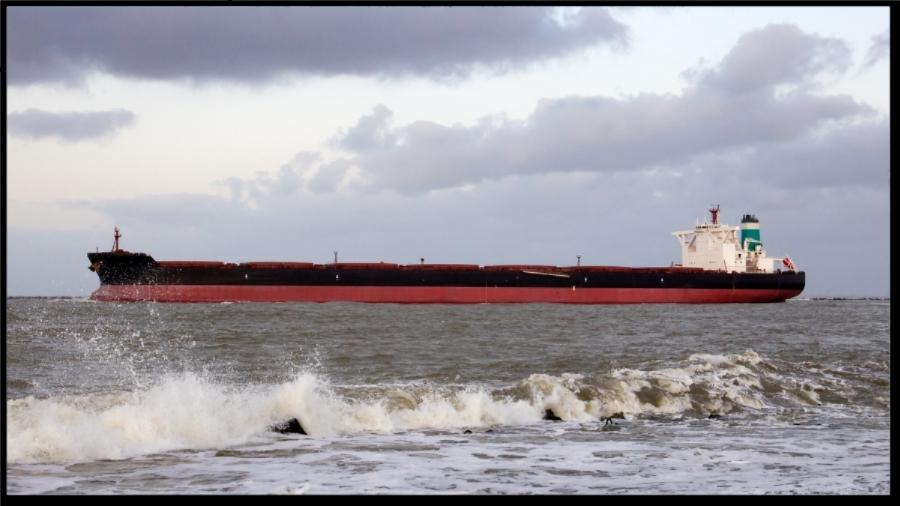
The tanker market is splitting into two very different stories this week. Dirty tanker earnings are moving higher as crude tanker demand tightens around Gulf-linked cargoes, VLCC positioning, and renewed loading expectations, while clean tanker rates are staying much flatter across several product routes. The latest signal is that crude carriers are benefiting from stronger sentiment, tighter available tonnage, and disrupted fleet positioning, with large tanker earnings jumping far faster than the clean side of the market. Clean tankers are not collapsing across the board, but the product market is giving a much quieter signal, especially for MR routes that are still dealing with uneven cargo demand, refinery margin pressure, and regional imbalances.
Dirty Tankers Are Pulling Away From Clean Tankers
Crude tanker earnings are rising faster than product tanker earnings, creating a split market for owners, charterers, brokers, refiners, and investors tracking spot exposure.
Dirty Tanker Momentum
Crude tanker earnings are receiving the stronger rate signal, led by tighter VLCC positioning, Gulf-linked cargo expectations, and owner resistance in key crude lanes.
Clean Tanker Flatness
Product tanker earnings are steadier and more route-specific, with MR weakness in parts of the Atlantic offsetting limited support in some longer-haul clean routes.
VLCC Rate Leverage
Large crude carriers are showing the clearest earnings leverage as available tonnage tightens and ships hesitate between Gulf opportunities and Atlantic ballasting decisions.
Charterer Cost Exposure
Charterers moving crude cargoes face faster freight repricing, while product cargo desks still have more selective negotiating room depending on route and vessel size.
Operator Readout
The practical read is that crude and product tankers are no longer giving the same earnings signal. Dirty tanker owners have more negotiating strength in the current tape, especially around VLCC and Suezmax exposure, while clean tanker owners are still dealing with a flatter and more uneven product market. Voyage desks should avoid using a single tanker-market assumption across crude and clean cargoes. Dirty tanker fixtures need faster freight refreshes, while clean tanker calculations still require lane-by-lane checking.
Tanker Earnings Watch
Dirty tanker strength is building faster than clean tanker momentum, creating a wider gap between crude and product carrier economics.
Dirty Tankers Are Setting the Pace
The current tanker tape is being driven by crude carriers. Gulf-linked crude tanker rates have moved sharply higher as cargo expectations rebuild, available tonnage tightens, and owners become less willing to discount vessels in a market still shaped by disrupted positioning. Reports from the market show tanker hire costs on some Gulf-related business climbing from roughly $106,500 per day to about $190,500 per day in a week, while VLCC earnings on certain Gulf-linked routes have been estimated as high as the upper six-figure range. That kind of jump immediately changes freight discussions, voyage margins, and fixture behavior.
The Baltic dirty tanker complex is supported by several crude routes, including Middle East Gulf, West Africa, Black Sea, North Sea, Caribbean, Mediterranean, and U.S. Gulf routes. That broad route mix is important because the latest dirty tanker rally is not only a single-lane pricing event. It reflects a wider change in owner confidence, tonnage positioning, and crude-loading expectations. When VLCCs decide whether to wait around the Gulf, reposition toward the Atlantic, or ballast back from Asia, the effect can ripple across more than one crude basin.
Reported current hire level for some tankers outside the Strait of Hormuz and wider Gulf region, up sharply from the prior week.
Reported estimate for peak VLCC earnings on Gulf-related cargoes needing to move through the wider disruption zone.
Estimated number of tankers still caught inside the Gulf with cargoes onboard, adding to vessel availability pressure.
Clean Tankers Are Giving a Quieter Read
Clean tankers are not showing the same broad earnings acceleration. The clean side is more uneven, with some longer-haul product routes getting support while several MR routes remain soft or flat. That separation matters because clean tankers depend on refined product cargo flows, refinery export economics, inventories, regional product demand, and arbitrage openings. Crude tanker freight can rise sharply on tonnage scarcity and crude-loading urgency, while product tanker rates may lag if export margins or cargo programs are not moving in the same direction.
For MR owners, the Atlantic market remains a more difficult read than the crude market. Some product tanker assessments have shown steep weekly weakness on U.S. Gulf-to-Europe and Europe-to-U.S. East Coast business, while LR2 and longer-haul routes have shown more support. This creates a clean tanker market that is not weak everywhere, but is flatter and less convincing than the dirty tanker rally.
Market split signal: The dirty side is being priced like a tightening crude transportation market. The clean side is still being priced as a route-by-route product market, with fewer signs of a broad earnings breakout.
VLCCs Hold the Strongest Earnings Leverage
VLCCs are carrying the most dramatic rate signal because they sit directly in the middle of crude-flow uncertainty, long-haul Asian demand, and Gulf loading expectations. When large crude carriers hesitate to ballast west or wait for Gulf opportunities, Atlantic Basin availability can tighten even without a major rise in concluded fixtures. That is one reason crude tanker earnings can lift quickly even when market participants describe actual fixture activity as uneven.
Suezmaxes are also receiving support, although generally with less explosive upside than VLCCs. Aframax performance is more mixed. Some routes are firmer, while others have already shed much of the earlier disruption premium. This leaves the crude tanker market strongest at the large end, with mid-size crude tonnage still benefiting selectively depending on route exposure.
Commercial Signals for Owners and Charterers
- ①Crude tanker owners: Dirty exposure has stronger rate leverage, especially for VLCC and Suezmax tonnage tied to Gulf, West Africa, and long-haul crude lanes.
- ②Product tanker owners: Clean-market strength is not broad enough to treat all routes as rising. MR economics need close lane-level checking.
- ③Charterers: Crude freight costs may need faster repricing, while clean-product desks can still find more route-specific negotiating windows.
- ④Brokers: Dirty tanker fixtures are more sentiment-sensitive, with owner confidence and vessel positioning playing a larger role in rate direction.
- ⑤Investors: The current earnings spread favors crude tanker exposure over clean tanker exposure, but volatility remains high and can reverse quickly if vessel queues clear.
Dirty Versus Clean Tanker Earnings Table
| Segment | Current Signal | Rate Direction | Commercial Meaning | Operator Action |
|---|---|---|---|---|
| Dirty Tanker Index | Jumping with crude tanker earnings | Higher | Crude transportation is gaining pricing power as tonnage tightens and Gulf-linked cargo expectations improve. | Refresh crude freight assumptions before quoting or fixing. |
| Clean Tanker Index | Flat to uneven across product routes | Flat | Product tanker earnings are not following the dirty market with the same force. | Check clean routes individually instead of using a broad product-market assumption. |
| VLCC | Strongest earnings leverage | Higher | Large crude carriers are benefiting from long-haul demand, Gulf positioning, and owner resistance. | Reconfirm TCE, bunker exposure, and ballast strategy before fixing. |
| Suezmax | Supported but less explosive than VLCCs | Higher | Mid-large crude carriers are firming on selected routes as crude market sentiment improves. | Track West Africa, Black Sea, and Mediterranean crude activity closely. |
| Aframax | Mixed route performance | Mixed | Some crude routes are firmer, while others have less disruption premium than VLCC routes. | Separate regional fixtures from global crude-tanker sentiment. |
| MR Product Tanker | Soft to flat in several Atlantic lanes | Flat | Clean tanker rate recovery is not yet broad enough to match crude tanker momentum. | Use live route checks before assuming clean earnings recovery. |
Risk note: Tanker earnings can move faster than underlying cargo volumes when vessel queues, war-risk assumptions, owner sentiment, and ballast decisions change at the same time. Owners and charterers should treat the current dirty tanker jump as a live pricing signal, not a fixed forecast.
Dirty Versus Clean Earnings Spread Calculator
Compare dirty tanker and clean tanker day-rate assumptions, estimate voyage-period earnings, and see which side has the stronger commercial signal.
Difference between selected dirty tanker and clean tanker day-rate assumptions.
Estimated dirty-over-clean earnings difference across the selected voyage period.
Estimated period earnings after the daily operating-cost assumption.
Estimated clean tanker period earnings after the same operating-cost assumption.
Dirty tanker earnings are far ahead of the selected clean tanker assumption.
Crude exposure leadsThis tool is for quick editorial and commercial sensitivity checks. It does not include ballast bonus, bunker cost, port delays, canal fees, war-risk premium, demurrage, scrubber spread, cargo heating, off-hire, idle time, or charterparty-specific recoveries.