A sanctions shock, weather risk, policy signals, corporate stress, and a fresh LNG containment option are all shaping cash flows at once. Tanker trades are being re-papered and rerouted, bunkers have moved higher with crude, Atlantic weather is adding schedule risk, offshore policy talk is stoking long-lead demand hopes, an EPC giant’s distress is unsettling project calendars, and shipyard tech news hints at future LNG newbuild economics.
Top Developments Impacting Maritime P&L: 10/27/25
Story
Summary
Business Mechanics
Bottom-Line Effect
U.S. sanctions on major Russian oil producers
Fresh listings and tighter service restrictions raise counterparty risk across banking, insurance, and terminals. Buyers and traders are re-checking eligibility, asking for stronger attestations, and diverting liftings to less exposed routes. The result is more cancellations, longer negotiation cycles, and a cleaner split between compliant mainstream trades and higher-friction alternatives.
Longer KYC chains, more refusals, rerouting to acceptable buyers and terminals.
📈 Tonne-miles and vetted TCEs supported on mainstream lanes; 📉 admin, legal, and delay costs rise.
India and China trim exposure to Russian crude
Key buyers are reducing near-term intake from sanctioned entities and exploring alternative grades from ME/WAF/USG. This adds voyage length and introduces new blending and refinery-fit considerations, while documentation standards tighten. Short-term demand shifts favor transparent owners, even as some fixtures roll while counterparties re-paper contracts.
Fixture re-papering, alternative grades, and longer ballast legs.
📈 Utilization tailwind for compliant crude/product tankers; 📉 more failed fixtures and wait time.
Crude up ~5% on sanctions headlines
The price jump feeds directly into bunker costs across segments. Owners with fuel pass-through and flexible speed policy can cushion the hit, while those without coverage see immediate margin pressure. If reroutes tighten effective capacity, rate support may offset part of the fuel shock; otherwise, voyage OPEX rises faster than achievable TCEs.
BAF/FSC coverage, speed policy, and stem timing determine net impact.
📉 Higher fuel OPEX where pass-through is weak; 📈 potential TCE lift from dislocation.
Caribbean hurricane threatens ports and routes
A strengthening system raises the likelihood of port closures, pilotage restrictions, and schedule reshuffling across Caribbean and USG corridors. Voyages extend as ships slow or divert, pushing up fuel burn and exposing charter parties to demurrage and laytime disputes. Congestion can then spill into alternate gateways as operators reroute.
Port closures, revised ETAs, congestion, and demurrage exposure.
📉 Delay and bunker costs up; 📈 spot firmness where effective capacity tightens.
Talk of wider U.S. offshore leasing
Policy signals point to potential expansion of offshore exploration areas. While timing depends on approvals and litigation, the prospect of larger lease inventories supports forward planning for OSVs, construction vessels, and port logistics. Even before awards, expectations can catalyze tenders and framework agreements.
Tender pipelines for OSVs, construction vessels, and logistics tonnage.
📈 Medium-term utilization/day-rate upside for offshore fleets; 📉 timing risk if approvals lag.
Shipyard commercializes in-house LNG containment
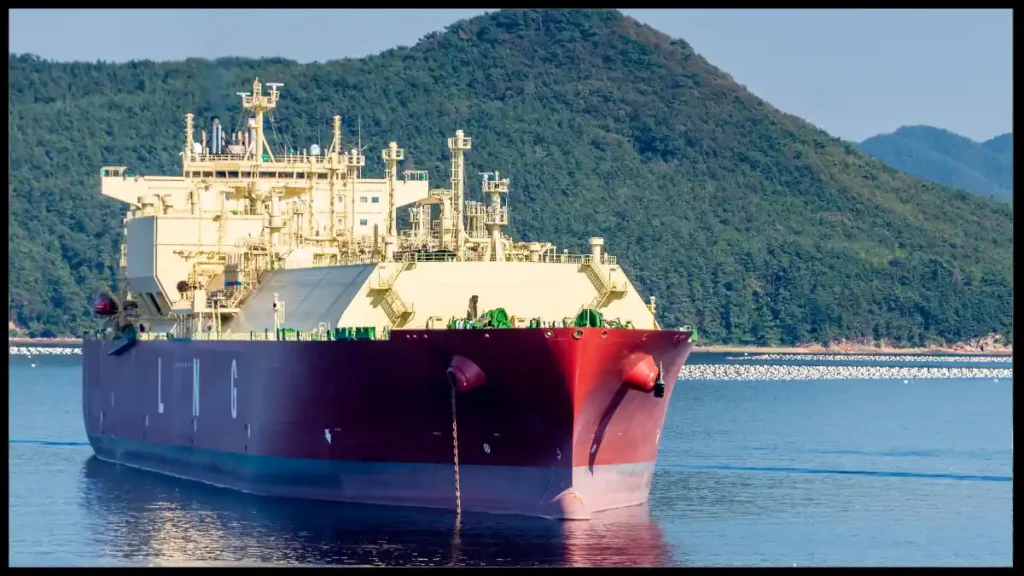
An additional containment system option increases buyer leverage and widens yard combinations for LNGC projects. Competitive licensing and alternative specs can bend capex curves, provided charterers accept the technology. This is a long-cycle effect, but it influences today’s MoUs and reservation strategies.
Potential capex competition, alternative spec packages, more yard choice.
📈 Better negotiating leverage on LNGC newbuilds; 📉 long-run charter pricing may reflect lower build costs.
Notes: Effects vary by clause coverage, fleet transparency, contract mix, and banking/insurance relationships.
📈 Winners
📉 Losers
Transparent crude & product tanker owners: sanctions and procurement pivots push more mainstream fixtures to vetted fleets, lifting utilization and TCEs.
Owners with solid bunker pass-through (BAF/FSC): crude’s jump is largely recoverable, protecting margins while rates adjust.
Atlantic basin crude traders & brokers: longer ME/WAF/USG routes to Asia/EU expand tonne-miles and deal flow.
OSV/installation vessel operators (U.S. offshore): policy signals support tender pipelines and medium-term day rates if leasing expands.
LNGC newbuild buyers & financing banks: a credible alternative LNG containment option improves negotiating leverage on capex and specs.
Ports/terminals with strict vetting and capacity headroom: preferred nodes as counterparties avoid shadow exposure and weather-hit gateways.
Sanctioned or affiliated producers, traders, and hull owners: banking/insurance blocks, fixture refusals, and diversion costs erode earnings.
Owners without fuel pass-through or with weak clauses: higher bunkers bite immediately, compressing TCEs until rates catch up.
STS-reliant and opaque fleets: deeper screening, detention risk, and longer cycle times reduce employability and net returns.
Weather-exposed schedules in the Caribbean/Atlantic: hurricane holds, reroutes, and bunching drive demurrage and off-hire.
EPCI-dependent offshore vessel exposure near troubled contractors: administration/restructuring events delay scopes and cash receipts.
Incumbent LNG containment licensors (relative): more yard/tech choice pressures license margins over time.
This Week’s Chain Reaction
Sanctions shock
New listings and tighter services increase counterparties’ risk checks.
Procurement shifts
Some buyers reassess Russian liftings and eye ME/WAF/USG alternatives.
Price impulse
Crude bounce lifts bunker costs before rate effects fully filter.
Operational friction
More paperwork, slower fixture cycles, selective port vetting.
Fuel Sensitivity Ladder
VLCC
Suezmax / Aframax
MR / LR product
Containers
LNG carriers
Relative exposure reflects typical voyage profiles and contract cover, not hard measurements.
Fixture Friction Meter
Ownership & control Beneficial owners, managers, affiliations checks.
Commercials More competition can improve capex terms and delivery negotiation.
Charter fit Spec alignment with charterer requirements remains the gating item.
The common thread across these developments is higher friction and longer legs meeting selective pricing power. Owners with clean paper, workable pass-through, and flexible routing are positioned to preserve, or even lift TCEs as costs rise. Keep a close eye on bunker prints, live weather advisories, and buyer behavior in India and China to see whether this week’s support turns into durable earnings momentum.