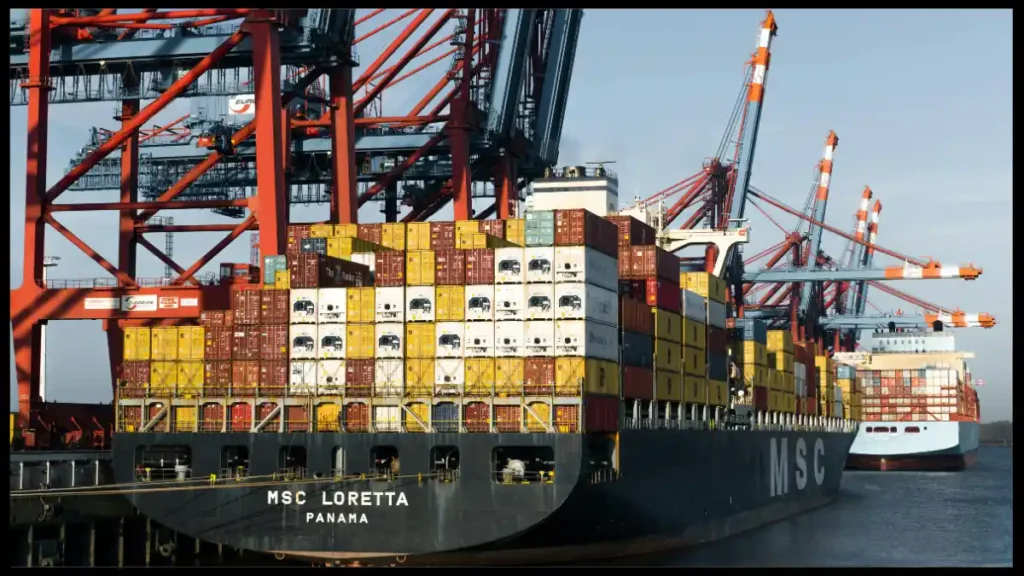
China Congestion Watch: Queues Surge and Costs Mount

🚒 Subscribe to the Ship Universe Weekly Newsletter (Free)

Vessels are backing up off key Chinese ports again. Average waits have stretched to the year’s highs, with dozens more capesizes idling than a month ago. New port fees on certain U.S.-linked calls and crude terminal sanctions are pushing diversions that compound the queue. Below is a tight summary of what changed, who feels it, and how it hits the P&L.

China Port Queues: Shipping P&L Impact
Story Summary Business Mechanics Bottom-Line Effect
Year-high average waits In the week to Oct 19, vessels waited about 2.66 days on average to reach a berth, the longest this year. Queues are most visible around key dry and liquid hubs. Berth allocation, pilotage slots, customs checks, weather padding. πŸ“‰ Demurrage and off-hire, πŸ“‰ schedule slippage, πŸ“‰ extra port stay costs.
Tit-for-tat port fees China started charging special fees for U.S.-linked ships from Oct 14, after U.S. fees on China-linked vessels. Exemptions exist but operators report added checks. Port dues, documentation scrutiny, billing at first call, scope questions for charters. πŸ“‰ Higher call costs and admin time, πŸ“‰ potential routing changes, πŸ“ˆ selective rate support if capacity tightens.
Crude terminal sanctions drive diversions Sanctions on the Rizhao Shihua crude terminal pushed several tankers to divert toward Zhoushan, Ningbo and Tianjin, shifting congestion rather than removing it. Deviation time, pilot and anchorage queues, ullage scheduling at alternates. πŸ“‰ Longer voyages and idle time, πŸ“ˆ tonne-miles may support some tanker earnings.
Capesize idling rises Capes waiting to discharge increased in early October versus late September, with brokers noting a step up in idle units off China. Iron ore discharge windows, draft limits, cargo survey timing, yard congestion. πŸ“‰ Laytime exposure for some, πŸ“ˆ tighter prompt supply can lift spot TCEs.
Hub delays at oil and bulk gateways Waits lengthened at hubs such as Dongjiakou and Yantai in mid-October, reflecting knock-on effects from policy and flow changes. Crude scheduling, lightering plans, berth rotations, weather routing. πŸ“‰ Extra bunker burn if schedules are maintained, πŸ“‰ storage and handling costs on shore.
Box network knock-ons Checks and bunching can trigger cut-and-run calls and late arrivals that ripple to feeders and inland nodes. Blank sailings, rotation edits, emergency congestion and BAF surcharges. πŸ“‰ Rollover risk and detention costs, πŸ“ˆ spot firmness on constrained corridors.
Charter-party exposure Fee clauses, notice formalities and laytime exceptions decide who carries time and cost when queues build. NOR acceptance, exceptions for government actions, shift and detention rules. πŸ“‰ Margin leakage on weak clauses, πŸ“ˆ protected TCE where risk transfer is clear.
Practical mitigations File NOR early where allowed, confirm fee scope before nomination, consider alternates, align ETA to berth to curb idle time. Port intel, agent pre-checks, staggered arrivals, slow-steam into the queue, laytime wording refresh. πŸ“‰ Demurrage and off-hire reduced, πŸ“ˆ fewer unexpected port-cost hits.
Notes: Conditions vary by port and cargo. Data points reflect mid to late October reads from wires and market trackers.

China Queues β€” Snapshot

Average wait (latest peak)
~2.66 days in week to Oct 19, 2025.
Capes waiting off China
Higher in early Oct vs late Sep.
Port fee regime
Special fees on certain U.S.-linked calls effective Oct 14, 2025.
Diversions
Tanker flows shifted from Rizhao Shihua toward Zhoushan, Ningbo, Tianjin.

Port Pressure Index (qualitative)

Relative queue and processing pressure vs a β€œnormal” baseline. Visual only, directionally indicative.
Zhoushan
elevated
Ningbo-Zhoushan
elevated
Tianjin
higher than usual
Rizhao (Lanshan)
diversions noted
Drivers include crude-terminal sanctions, fee-linked call adjustments, and bunching from schedule changes.

Cost Risk Profile

Demurrage / off-hire
Longer anchor times and slower clearance at busy gateways.
Port dues / admin
Special fees on certain U.S.-linked calls from Oct 14.
Bunker consumption
Speed-ups to catch berths and longer in-port auxiliary use.
Schedule reliability
Bunching and late arrivals ripple to regional feeders and receivers.
Winners (near term)
Tanker lifts with longer tonne-miles Prompt capesize owners near discharge Alternate ports gaining calls
Losers (exposure)
Charterers on demurrage Schedules tied to U.S.-linked calls Refiners reliant on Rizhao Shihua

Fee Clock

Special port fees on certain U.S.-linked calls in China are active from Oct 14, 2025.
Oct 14 Ongoing

Diversion Paths Noted

Rizhao Shihua β†’ Zhoushan Rizhao Shihua β†’ Ningbo-Zhoushan Rizhao Shihua β†’ Tianjin
Effect: pressure shifts rather than disappears, with new queues forming at alternates.

This congestion pulse is policy-driven and flow-driven, not demand-led. If fee scope narrows or crude diversions unwind, pressure should ease quickly. If both persist, expect elevated waiting and higher owner and charterer costs through early November, with selective support for spot earnings where prompt supply tightens.

We welcome your feedback, suggestions, corrections, and ideas for enhancements. Please click here to get in touch.
By the ShipUniverse Editorial Team β€” About Us | Contact