Hormuz Traffic Reopens Slowly as Gulf Ship Movements Start to Unfreeze
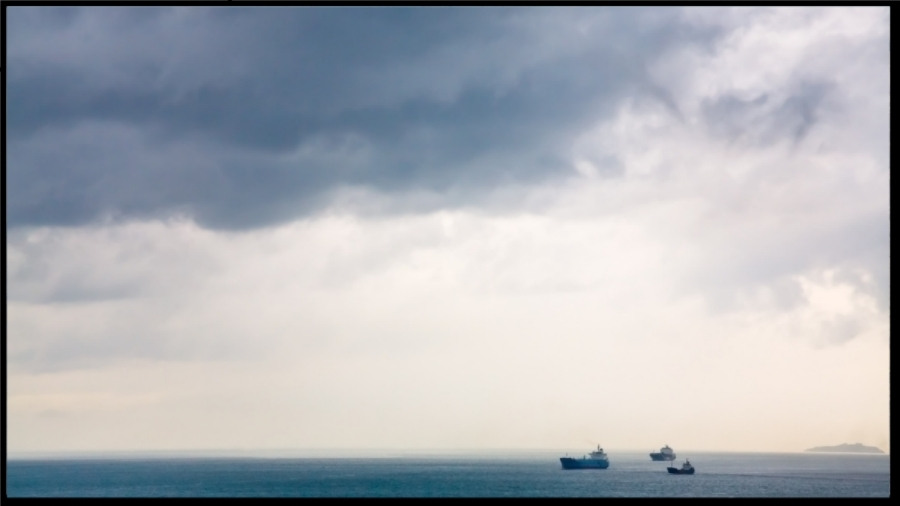
The latest Gulf shipping picture is being shaped by a controlled reopening rather than a clean return to normal trade. In the last 24 hours, Maersk confirmed that the Maersk Baltimore and one time-chartered vessel exited the Gulf safely through the Strait of Hormuz after security assessments and coordination with security partners, while saying one additional transit may follow later and two ships will stay on intra-Gulf services. At the same time, ships have begun moving under an IMO-backed evacuation framework using two temporary tracks, one via Iranian waters and one through a southern route coordinated by Oman and the United States, with vessels told to wait for instructions because the usual central routing lanes remain affected by mine risk. Traffic is improving, but it is still far below pre-conflict levels. Current reporting indicates more than 25 ships a day have been moving recently versus around 125 before the conflict, with an estimated 500 to 600 ships still stranded inside the Gulf, including as many as 100 tankers. Oman has also opened the temporary routes without tolls, while U.S. officials say roughly 72 ships and about 20 million barrels of crude exited Hormuz in the last 24 hours, suggesting oil flow is recovering faster than broader commercial confidence.
Operator Impact Snapshot
Ships are moving again, but the reopening still looks managed and selective rather than fully normalized.
Mine concerns and restricted routing mean vessels are still relying on controlled tracks and staged instructions.
Crude movement is recovering faster than container and general commercial confidence, helped by escorts and larger ship deployments.
Liner operators are clearing backlog, but some cargo remains pending and fleet deployment inside the Gulf is still uneven.
Risk pricing is likely to remain elevated while the central lanes stay compromised and large numbers of ships are still waiting to exit.
Gulf movement is improving but still operating under a controlled-release model
The latest operating picture suggests that the market has moved out of near standstill conditions, but it has not returned to normal commercial freedom. Carriers, tanker operators, charterers, and brokers are now dealing with a system in which some vessels are getting out safely, some are still waiting, and much of the transit logic depends on coordinated sequencing rather than routine passage.
That is important because it means the shipping signal is mixed. On one hand, successful exits from the Gulf are now real and visible. On the other hand, the conditions enabling those exits still point to a constrained and heavily managed corridor rather than a market that has fully regained confidence.
Current read: The Gulf is moving again, but not freely. The most accurate description right now is controlled recovery under residual security and routing stress.
Latest Gulf Movement and Hormuz Traffic Table
| Movement Lane | Current Readout | Latest Position | Importance | First Stakeholders Hit | Most Useful Near Term Watchpoint |
|---|---|---|---|---|---|
|
Maersk Gulf exits
Two vessels have now exited the Gulf safely after coordinated transit.
|
Watch | Successful exits show that container-linked movements are possible again, but not yet on a simple routine basis. One further Maersk transit may still follow later while two ships remain on intra-Gulf work. | This is one of the clearest real-world signals that liner-related backlog is starting to ease. | Container operators, port agents, Gulf importers, and cargo owners waiting on delayed regional delivery. | Whether additional liner transits follow in sequence rather than remaining isolated successful cases. |
|
Temporary Hormuz routes
The reopening is happening through special routing rather than standard commercial freedom.
|
High | Ships are using two temporary tracks, a northern route through Iranian waters and a southern route coordinated by Oman and the United States, because the usual central lanes remain affected by mine risk. | Transit is possible, but navigational risk and traffic management remain central to every movement decision. | Masters, operators, war-risk desks, and marine insurers. | Any sign that standard routing lanes can reopen cleanly without convoy-style or staged management. |
|
Stranded vessel clearance
The backlog is improving, but the queue is still large.
|
High | Hundreds of ships and roughly 11,000 seafarers have been tied up by the disruption, and the IMO-backed evacuation framework is still focused on getting vessels out, not restoring normal inbound trade. | Even with movement restarting, the residual backlog keeps pressure on scheduling, fleet positioning, and market confidence. | Bulk carriers, cargo operators, tanker owners, charterers, and seafarer managers. | How quickly the stranded vessel count falls, especially among tankers and liner-adjacent tonnage. |
|
Oil flow recovery
Crude movement is normalizing faster than broader commercial confidence.
|
Medium | Roughly 72 ships and about 20 million barrels of crude reportedly exited Hormuz in the last 24 hours, with some movements supported by escorts and alternate routing close to Iran or Oman. | Energy flows are giving the market a stronger recovery signal than many non-energy operators feel on the commercial side. | Tanker operators, refiners, oil traders, bunker markets, and energy-linked freight desks. | Whether crude flow stays near current levels once demining and route normalization become the next test. |
|
Traffic density
Movement is up, but still far below the old operating baseline.
|
Watch | Recent voyage counts are running above 25 ships a day, which is a clear improvement, but still only a fraction of the pre-conflict norm of roughly 125 daily sailings. | Traffic recovery looks real, yet current flow still reflects caution, sequencing, and incomplete confidence. | Brokers, freight analysts, terminals, and owners deciding whether the Gulf has moved from exceptional risk toward managed risk. | Whether traffic keeps rising steadily or stalls before a true commercial normalization phase begins. |
|
Toll and routing politics
Oman has opened routes without tolls, helping reduce one major uncertainty.
|
Medium | Oman’s no-toll position helps steady the commercial framework around the temporary southern route and removes one feared extra cost layer for now. | That gives shipowners and traders one less variable to price into already stressed voyage economics. | Owners, charterers, traders, compliance teams, and Gulf port users. | Whether route management remains a safety mechanism only or evolves into a wider political-commercial negotiation later. |
The market is no longer dealing with a frozen Gulf. It is dealing with a partially moving Gulf where the pace of recovery is uneven by segment. Tankers are showing stronger flow recovery, container delivery is beginning to unclog, and the overall corridor still depends on staged traffic management, temporary routing, and residual mine concern.
The next meaningful signal will be whether the reopening broadens from successful exits into a more routine two-way commercial pattern. Until that happens, the Gulf remains operational but not yet normal.
Hormuz Transit Recovery Estimator
Use this tool to estimate which pressure lane matters most for your Gulf exposure right now as traffic resumes under temporary routing.
Your current mix suggests that clearing delayed cargo and vessel queue pressure is the biggest Gulf operating issue right now.
The Gulf appears to be in managed recovery for your exposure profile rather than in full commercial normalization.
Your contingency strength looks like the area most likely to magnify disruption if routing stress rises again.
Movements are improving, but the corridor still looks controlled rather than fully normalized.
This estimator is for editorial and planning use. It does not calculate actual freight, premium, toll, charter-party exposure, naval-risk clearance, or voyage approval.
We welcome your feedback, suggestions, corrections, and ideas for enhancements. Please click here to get in touch.