Ship Market Week Ahead as Freight Gains Meet Bunker Strain
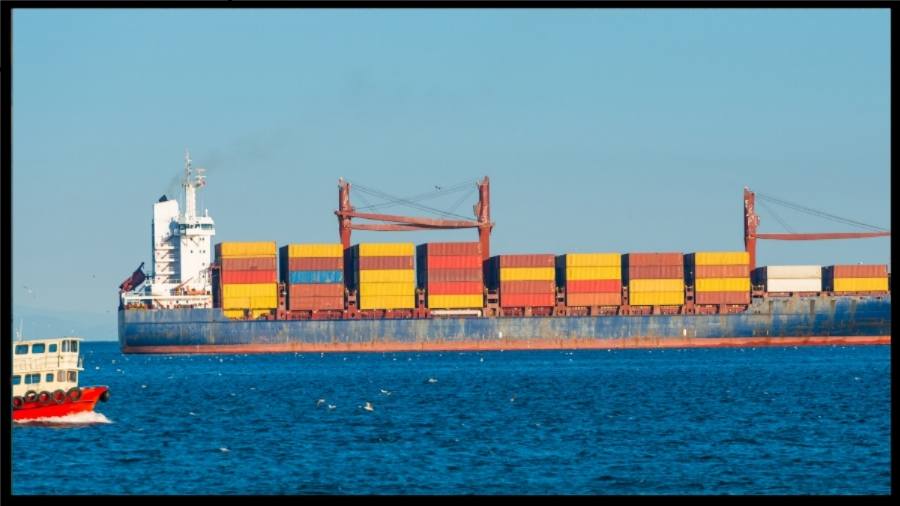
The shipping market enters the new week with a sharper split between strong freight signals and tougher operating risk. Container spot rates are still being pushed upward by early peak-season demand, fuel surcharges, and limited schedule flexibility on major trades. Dry bulk is holding at healthier levels than last year even after recent cooling. Cross-sector earnings remain elevated, but the broad market has started to lose some momentum. For owners, charterers, brokers, suppliers, insurers, and cargo interests, the coming week is less about one single headline and more about the stack of pressures now moving together: freight direction, bunker pricing, port congestion, geopolitical exposure, and schedule reliability.
The market is not moving as one clean story. Containers are firmer, dry bulk is mixed but still comparatively supported, tankers remain exposed to energy flows and routing risk, and the cost side of the ledger is being pulled higher by fuel uncertainty. The practical setup for the week is a margin test. Freight gains help, but only if bunker, port time, insurance, and waiting exposure do not absorb the benefit.
Container rate pressure remains active
Spot container pricing is still being supported by early peak-season cargo movement, higher fuel exposure, and a smaller cushion for schedule recovery. The key watchpoint is whether rate gains hold after near-term front-loading fades.
Dry bulk stays constructive but less one-way
Bulk demand is not flashing the same urgency as containers, but the market remains far better than weak-cycle conditions. Capesize and Panamax sentiment should be watched closely around iron ore, coal, grains, and congestion-linked ton-mile demand.
Bunker direction can quickly change voyage math
Fuel remains the fastest-moving cost variable for operators this week. Any tightening at major bunkering hubs can affect voyage planning, charter-party discussions, slow steaming decisions, and bunker adjustment factor negotiations.
Geopolitical routing risk is still priced into decisions
Owners and charterers are still treating Middle East, Black Sea, Red Sea, sanctions, and insurance risk as operating variables rather than background issues. The next round of fixtures may show a wider spread between ordinary cargoes and sensitive routes.
Ports can amplify small rate moves
Congestion does not need to be extreme to matter. A one or two day delay can erase a meaningful portion of voyage margin when bunker is expensive, crew time is tight, and the next employment window depends on schedule discipline.
Market Setup
The opening tone for the week is firm but uneven. Container operators have the clearest near-term pricing momentum, helped by early cargo movement and higher fuel sensitivity. Dry bulk is more balanced, with a healthier base than last year but less obvious upward acceleration. Tanker and gas markets remain highly sensitive to energy-route headlines, port access, sanctions screening, and bunker availability.
- For shipowners: prioritize fixtures that protect against bunker spikes, waiting time, and route deviation risk.
- For charterers: treat freight quotes as time-sensitive, especially on lanes where carriers can still push peak-season or fuel-linked increases.
- For brokers: expect more negotiation around escalation clauses, cancellation windows, and port rotation risk.
- For insurers and finance teams: update route-risk assumptions before underwriting or approving cargo movements near sensitive chokepoints.
Freight Pulse and Risk Board
Near-term signals for owners, charterers, brokers, cargo teams, insurers, and marine suppliers.
Freight Trend
Container freight is the most visibly firm segment entering the week. The latest benchmark move showed a strong jump in the composite container index, with Asia-Europe and Transpacific routes helping lead the increase. The market is being supported by early peak-season cargo, fuel-linked cost recovery, and tighter scheduling conditions on key services.
Dry bulk is more nuanced. The market has pulled back from recent highs, but it remains meaningfully stronger than last year. That gives owners a workable base, while also making the next demand signal important. If iron ore, coal, grains, or congestion provide support, dry bulk can stabilize quickly. If cargo inquiry softens while bunker holds high, voyage economics become more selective.
Segment Board
| Segment | Current Tone | Fresh Driver | Operator Action |
|---|---|---|---|
| Containers | Firm | Early peak-season movement, higher fuel cost recovery, tighter Asia-Europe and Transpacific pricing. | Lock schedule-sensitive cargo early and review bunker surcharge language before committing margin. |
| Dry Bulk | Mixed | Healthier yearly comparison, but recent index cooling and cargo selectivity across major basins. | Prioritize cargoes with cleaner port rotation, shorter waiting exposure, and stronger laycan protection. |
| Crude Tankers | Watch | Energy-route risk, crude flow uncertainty, sanctions screening, and changing voyage premiums. | Re-check war-risk, deviation, and demurrage language before fixtures near sensitive corridors. |
| Product Tankers | Watch | Refined product repositioning, bunker supply strain, and regional inventory shifts. | Watch MR and LR demand around fuel hubs, refinery outages, and route disruption. |
| LNG and LPG | Risk Sensitive | Energy security concerns, terminal access, canal/chokepoint routing, and seasonal demand timing. | Build more schedule buffer into terminal windows and confirm port readiness before arrival. |
| MPP and Heavy Lift | Selective | Project cargo remains active, but fuel, port time, and equipment availability can change landed cost fast. | Quote with clear validity windows and separate fuel or deviation assumptions from base freight. |
| Offshore Support | Supported | Energy security focus, offshore project activity, and vessel availability in specialized niches. | Check crew, spares, class, and mobilization risk before accepting tight project windows. |
Geopolitical Risk
Geopolitical exposure remains a live commercial input rather than a distant market note. The most sensitive areas are energy chokepoints, routes connected to Russia-linked sanctions risk, Black Sea and Baltic-linked vessel screening, and any lane where insurers may adjust premiums quickly. Charterers may push for route certainty, while owners are likely to demand more protection around deviation, waiting, fuel uplift, and war-risk coverage.
Chokepoint sensitivity
Any disruption near a major energy or container artery can quickly affect ton-miles, voyage duration, insurance cost, and bunker planning.
Sanctions and shadow fleet pressure
Expect more scrutiny around ownership, flag, cargo origin, AIS gaps, ship-to-ship transfers, and insurance documentation.
Insurance and routing language
Risk clauses may become more important than the headline freight number when a voyage touches sensitive waters.
Port and Bunker Watch
Port reliability and bunker availability are now working together. A delayed vessel can miss a cheaper fuel window. A tight fuel hub can force deviation. A deviation can affect the next fixture. This is the part of the market that can quietly damage earnings even when published freight rates look strong.
| Watch Area | Market Reading | Cost Impact | Practical Check |
|---|---|---|---|
| Asia export ports | High cargo pressure and congestion hotspots can tighten schedules. | More waiting days, missed windows, feeder delays, and higher slot sensitivity. | Confirm terminal status, cut-off discipline, and realistic berthing assumptions. |
| Europe gateways | Import surges, schedule bunching, and inland flow issues can create uneven reliability. | Extra dwell, feeder disruption, barge pressure, and delayed cargo release. | Review discharge windows, inland handoff capacity, and storage exposure. |
| U.S. container gateways | Front-loaded imports can support near-term volume but increase timing risk. | Peak-like pressure before the usual peak can stress yard and rail flow. | Track arrival bunching, rail dwell, chassis availability, and import release speed. |
| Middle East bunkering | Fuel availability and premiums can change quickly when geopolitical risk rises. | Higher delivered bunker cost, deviation risk, and possible quality concerns. | Verify stem confirmation, supplier reliability, fuel quality, and fallback ports. |
| Major fuel hubs | Regional spreads are more important than the global average. | A single port premium can alter voyage profit by tens of thousands of dollars. | Compare Singapore, Rotterdam, Fujairah, Houston, and U.S. West Coast options before fixing. |
Freight and Fuel Exposure Tool
Estimate whether this week’s rate gain is large enough to absorb bunker and delay pressure.
This quick tool is designed for a practical week-ahead check. Enter a voyage profile, expected bunker movement, and freight improvement. The output gives a rough net exposure number that can help frame fixture discussions, fuel planning, and margin sensitivity.
Fuel Cost Shift
$56,700
Estimated change in voyage fuel cost from the bunker price move.
Freight Revenue Shift
$54,000
Estimated revenue improvement from the freight increase entered above.
Delay Cost
$56,000
Estimated cost or lost opportunity from extra port, routing, or bunkering delay.
Net Week-Ahead Exposure
Fuel and delay exposure are larger than the estimated freight gain. This fixture needs stronger protection, better bunker planning, or a cleaner port schedule.