Capital Tankers Expands Its VLCC Bet With Three 2027 Newbuilds From Marinakis-Linked Fleet
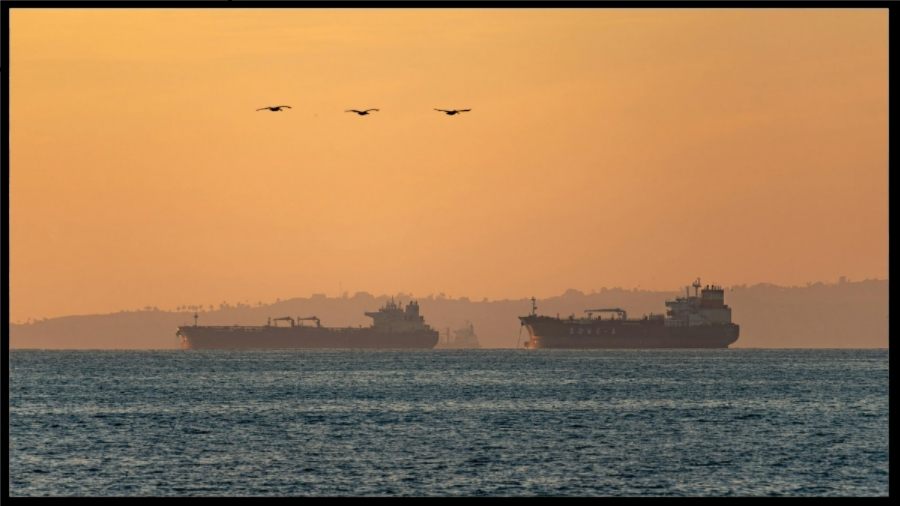
Capital Tankers has moved further into the VLCC cycle by agreeing to acquire three scrubber-fitted VLCC newbuildings with 2027 deliveries from a Marinakis affiliate, deepening its exposure to the largest crude-carrier segment at a time when tanker ordering, asset values and long-haul energy flows remain unusually active. The new deal, disclosed today, covers three 2027-delivery vessels and comes on top of a fleet strategy that was already heavily weighted toward VLCCs and backed by a broader package of fixed-price options from Capital Maritime & Trading Corp. The immediate significance is not only fleet growth. It is that Capital Tankers is now converting part of its optionality into firm expansion while tanker markets are still being shaped by strong earnings, longer trade routes and ongoing interest in modern crude tonnage.
Three additional VLCCs do not change the global market overnight, but they reinforce continued owner confidence in crude-shipping demand and long-haul tonne-mile support.
This is mainly a fleet-allocation and capital-deployment story rather than an insurance-led market event.
The direct bunker effect is limited today, though modern scrubber-fitted VLCC ordering continues to reflect owner expectations around operating efficiency and fuel flexibility.
The transaction does not create immediate route disruption, but it does show that owners still see enough confidence in future crude trades to lock in additional large-tanker capacity.
The strongest read is on chartering leverage, embedded asset value and the willingness of owners to crystallize fixed-price optionality into firm fleet growth.
| Pressure lane | Current marker | Immediate operating read | Importance | Commercial consequence | Next checkpoint |
|---|---|---|---|---|---|
| Transaction structure | Capital Tankers is acquiring three 2027-delivery scrubber-fitted VLCC newbuildings from a Marinakis affiliate with staged payments before and at delivery. Optionality becomes firm growth | This is the clearest sign yet that the company is beginning to exercise its embedded fleet-growth rights rather than merely describing them. | That matters because public tanker stories often talk about optionality, but the market reacts more seriously when options start turning into binding fleet additions. | Investors, charterers and rival owners get a stronger read that Capital Tankers intends to keep building its crude-tanker weight rather than sit on theoretical upside. | Watch whether more of the remaining optional VLCCs or the two optional Suezmaxes are exercised later this year. |
| Price versus contracted option levels | The company had already disclosed that its 11 optional Hengli VLCCs were contracted at roughly $119 million to $120 million per vessel. Pre-arranged economics look valuable | The newly firmed ships appear to sit inside an option book that management had already framed as materially attractive versus current market levels. | This matters because owners with fixed-price newbuilding access can add fleet growth faster and on better terms than those trying to secure new yard positions later. | The deal supports the argument that pre-positioned option books can become a competitive advantage when tanker values are rising. | Watch whether management gives more detail on exact contracted prices for these three specific ships in a follow-up filing or call. |
| Value uplift signal | Splash said indicative appraisals put the three contracts at about $150 million per vessel, implying about $82 million of estimated uplift across the transaction. Embedded value is being crystallized | The market is not just seeing fleet growth. It is seeing the conversion of embedded paper value into owned exposure. | That matters because tanker investors tend to reward owners that can add modern ships below prevailing replacement-value assumptions. | Asset-value support could strengthen if the market believes Capital Tankers still has similar upside left across the rest of its option portfolio. | Watch whether broker valuations and NAV discussions start assigning more explicit value to the remaining optional fleet. |
| Fleet composition effect | Capital Tankers’ fleet plan already includes a large VLCC component, with current and on-order vessels plus a substantial optional fleet disclosed in company materials. VLCC weighting gets deeper | The company is leaning harder into the largest crude-carrier segment rather than diversifying away from it. | This matters because VLCC exposure is the purest way to express a view on long-haul crude flows and large-scale tanker tightness. | Capital Tankers becomes even more directly geared to crude-tanker sentiment, earnings and asset values than before. | Watch whether future acquisitions keep favoring VLCCs or shift back toward Suezmax and Aframax/LR2 balance. |
| Yard-slot significance | These vessels are tied to 2027 deliveries rather than late-decade greenfield yard access, and stem from pre-existing affiliated construction positions. Nearer-term growth secured | Capital Tankers is not waiting for a fresh shipyard campaign to gain exposure. | This matters because delivery timing often matters as much as headline fleet size in cyclical shipping markets. | Earlier access to tonnage can improve the company’s ability to capture favorable market windows if crude shipping stays firm into 2027. | Watch whether delivery schedules remain intact and whether any financing details are attached to the vessels before handover. |
| Broader tanker-cycle backdrop | DNV recently said the tanker orderbook is about 17% of the fleet and still not enough to fully offset aging tonnage in key crude segments, while crude tanker exposure remains a major strategic focus for owners. Deal fits wider market tone | Capital Tankers is making this move in a market where modern crude-tonnage scarcity is still part of the investment case. | That matters because the deal is landing into a supportive narrative rather than a collapsing one. | The acquisition is likely to be read as part of a broader owner conviction that crude shipping still merits aggressive capital allocation. | Watch spot earnings, demolition trends and additional large-tanker orders or resales across the sector. |
We welcome your feedback, suggestions, corrections, and ideas for enhancements. Please click here to get in touch.