Hormuz Reopens on Paper but the Backlog Still Owns the Trade
🔔 Subscribe to ShipUniverse Weekly →
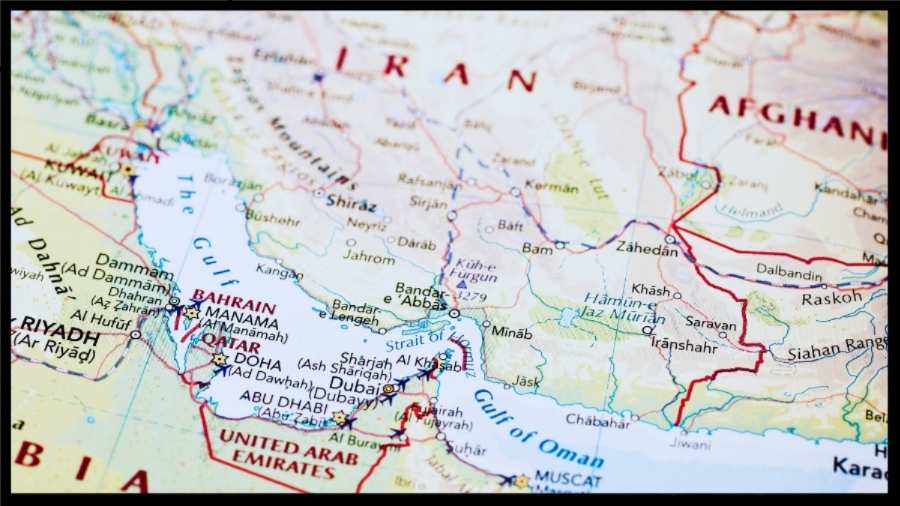
Shipping remains cautious even after the new two-week U.S.-Iran ceasefire because the Strait of Hormuz is reopening into a market that is still heavily jammed, under-insured, and short on confidence. Large shipowners and energy traders are treating the truce as a narrow window for possible movement rather than a clean return to normal navigation. Around 1,000 ships are still stuck in the region by industry estimates, including laden tankers, container ships, gas carriers, and other commercial vessels that accumulated during weeks of disruption. More than 187 loaded tankers carrying about 172 million barrels of oil remain in the Gulf, and estimates from brokers and analytics firms suggest that even under normal operating conditions it could take more than two weeks to clear the queue. Major liner operators are saying the ceasefire does not yet provide full maritime certainty, some are still relying on contingency land-bridge networks, and at least one large container carrier says a return to normal operations would still take six to eight weeks if stability holds.
The Strait may be open again, but the queue is still the main story
The truce changed the political signal. It did not instantly clear the commercial jam built over weeks of disruption.
| Pressure lane | Current position | Importance | Commercial effect | Signal to watch next |
|---|---|---|---|---|
| Ships still trapped | A very large queue remains in and around the Gulf even after the ceasefire announcement. The key point is that reopening does not start from zero. It starts from an already congested system. Backlog still dominant | Movement capacity in the first days after a truce is limited, especially when owners are still verifying security conditions. | Cargoes that were delayed by closure do not simply resume in sequence. They compete for scarce movement slots. | Whether the first several days show genuine throughput or only a slow release of priority vessels. |
| Loaded tankers | More than 187 laden tankers carrying about 172 million barrels of oil remain in the Gulf. Those barrels are commercially important because they represent physical cargoes already committed to refiners and buyers. Prompt oil queue | Loaded ships are likely to get priority, but they are also the most commercially sensitive to delay. | Delayed arrivals keep refiners juggling inventory, replacement cargoes, and crude runs. | Whether eastbound loaded tanker movements accelerate first while westbound traffic stays cautious. |
| Container shipping | Large liner operators remain cautious even with the truce in place. For container lines, network reliability and schedule recovery matter as much as basic passage permission. Networks still disrupted | Container carriers must think beyond one strait crossing and price the knock-on effects across entire service strings. | Emergency surcharges, bookings limits, land-bridge workarounds, and delayed schedule normalization remain active. | Whether carriers reopen upper Gulf bookings broadly or only in selected trades. |
| Insurers and war-risk markets | Insurers say the ceasefire does not restore normal trade conditions by itself. War-risk costs may ease somewhat at the margin, but they remain well above peacetime levels. Insurance drag persists | Owners will not rush back at scale if cover is still expensive and the ceasefire is seen as fragile. | Some transits may resume, but broad normalization remains commercially unattractive. | Whether underwriters start offering more meaningful pricing relief after several days of stable passage. |
| Physical clearing pace | Analysts say it could take more than two weeks to clear the current backlog even under normal conditions. That means any renewed interruption, inspection friction, or convoy-style spacing could stretch the timeline further. Clearance takes time | Even a functioning corridor can stay commercially jammed long after the political headline says “reopened.” | Backlog clearance becomes a trade-timing issue in its own right. | Whether daily vessel exits rise enough to beat the expected two-week-plus clearing window. |
| Network recovery window | One major liner says normal operations would still take six to eight weeks if stability holds. That is the clearest sign that the damage is now embedded in schedules, equipment positioning, and customer planning. Recovery lags reopening | The shipping system is not only reopening a lane. It is rebuilding a network. | Customers should expect lingering delays even after the first trapped ships begin moving. | Whether carrier guidance on recovery timelines shortens or lengthens over the next week. |
The next phase is not reopening. It is controlled unwinding.
The commercial bottleneck now comes from three things at once: trapped tonnage, fragile confidence, and network distortion that will outlast the ceasefire headline.
The ceasefire has improved the political tone, but shipowners are still treating each movement as an individual risk decision rather than a blanket green light. That caution matters because the first days after a reopening can be the most operationally awkward. Loaded tankers want out first. Container carriers need schedule integrity, not just permission to pass. Insurers want evidence that the truce is holding. Security firms are warning about navigational caution if vessels rush to exit at once. In other words, the strait can be technically open and still behave like a constrained corridor.
The backlog is also not one single queue. It is several overlapping queues with different priorities. Crude tankers carrying time-sensitive barrels are likely to move first. Container carriers may stay selective because a delayed passage can ripple through whole service networks. Gas carriers and product tankers have their own scheduling and customer pressures. That is why one carrier can say transit opportunities may be opening while another says true normalization still sits six to eight weeks away. The first statement is about the lane. The second is about the network.
Loaded ships will likely set the early pace
Priority is expected to tilt toward already-laden tankers because they carry committed barrels and represent the most immediate supply-chain relief once they move.
Container lines are still solving a wider map
Liner operators are not just deciding whether they can cross Hormuz. They are deciding whether the entire service string remains commercially workable after weeks of interruption.
Insurance keeps the market from snapping back
Even with a ceasefire, war-risk costs and caution from underwriters continue to discourage a fast return to peacetime behavior.
Backlog math can outrun political optimism
If the region releases vessels only gradually, the clearing process itself becomes a delay engine, even without a renewed military escalation.
Signals on the board now
The market is tracking whether daily vessel exits accelerate, whether upper Gulf bookings reopen more broadly, whether insurers trim rates after several stable transits, and whether the truce lasts long enough for the backlog to stop growing and actually start shrinking.
Backlog Clearance Estimator
Model how long trapped traffic may take to unwind once the lane is technically open but owners, insurers, and operators are still moving cautiously.
This estimator is built for a reopening that still feels hesitant. It shows how the queue can stay commercially painful even after the political barrier is lowered, because clearing ships and restoring schedules are two different tasks.
We welcome your feedback, suggestions, corrections, and ideas for enhancements. Please click here to get in touch.