
🔔 Subscribe to ShipUniverse Weekly →
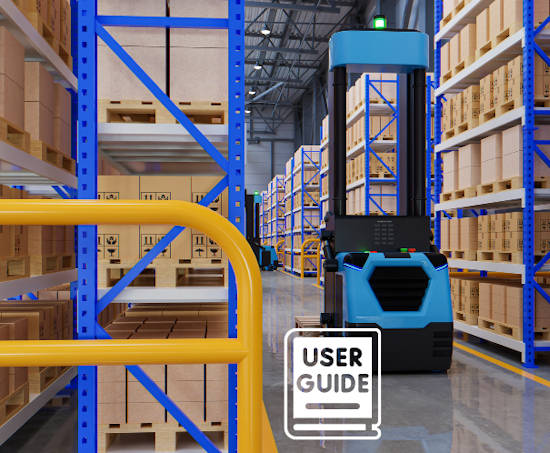
At the heart of modern commercial shipping and bustling port operations lie Automated Guided Vehicles (AGVs), technological marvels designed to make logistics smoother and more efficient. In essence, AGVs are self-driving vehicles that have one main job: to transport goods from point A to B without a human driver. Imagine a robotic forklift or a self-driving cart, and you’ve got the picture. These aren’t just any vehicles; they’re equipped with sensors, cameras, and sophisticated software, allowing them to navigate complex environments, avoid obstacles, and precisely deliver cargo.
* Please send feedback/suggestions to editor @ shipuniverse.com
The Tech Behind the Scenes
The leap from the traditional, manually operated machinery to these high-tech haulers didn’t happen overnight. It’s been fueled by incredible technological advancements in robotics, artificial intelligence (AI), and machine learning. Thanks to innovations like laser-guided navigation, GPS tracking, and even Wi-Fi and 5G connectivity, AGVs can understand their surroundings, decide on the best routes, and communicate with other machines and control systems to orchestrate a perfectly timed dance of cargo movement. This tech evolution has made AGVs smarter, more adaptable, and more reliable, opening the door for their widespread adoption in the shipping and logistics industry.
Why AGVs Are Game-Changers
The introduction of AGVs into port operations and the wider supply chain has been nothing short of revolutionary. First off, they boost efficiency like nobody’s business. By operating around the clock without breaks and precisely following programmed routes, AGVs cut down on transit times and help ports handle more cargo than ever before.
But it’s not just about speed. Safety has seen a massive improvement, too. By taking over the repetitive and hazardous tasks, AGVs minimize the risk of workplace accidents, creating a safer environment for everyone involved. Plus, with the added precision of AGVs, there’s less damage to goods and equipment, saving money and headaches all around.
Lastly, AGVs play a vital role in making the entire supply chain more reliable. In an era where consumers expect fast shipping and businesses rely on just-in-time delivery, AGVs help ensure that goods move smoothly and efficiently from ships to warehouses to storefronts. This reliability strengthens the global supply chain, making it more resilient to disruptions and ready to meet the demands of a fast-paced world.
Discover Your Ideal AGV Solution Today
Types of Automated Guided Vehicles Used in Commercial Shipping
Standard AGVs
What They Are: Picture the workhorse of the AGV family—reliable, straightforward, and essential. Standard AGVs operate on pre-defined paths, marked by wires, magnetic tape, or painted lines on the floor, guiding them through their environment.
How They Work: These AGVs use sensors to follow their designated path, picking up and delivering cargo exactly where it’s needed. It’s a bit like following a map drawn directly on the road, where the AGV’s only job is to stay on course and carry out its tasks efficiently.
Where They Shine: In the bustling world of ports and shipping warehouses, standard AGVs are the go-to for straightforward tasks—moving cargo from ships to storage areas or transport vehicles. They’re the backbone of many port operations, prized for their simplicity and reliability.
Laser-Guided AGVs
Navigating with Precision: When flexibility and precision top the list of needs, laser-guided AGVs steal the spotlight. These agile movers use laser navigation to scan their surroundings and determine their position, allowing them to navigate complex and changing environments with ease.
The Tech Touch: By emitting a laser beam that bounces off reflectors placed around the facility, these AGVs can pinpoint their location to the centimeter. This information lets them calculate the most efficient routes on the fly, making them ideal for dynamic spaces where obstacles and layouts change.
Flexibility and Adaptability: Laser-guided AGVs are the acrobats of the AGV world, easily adapting to new or temporary routes, which is a game-changer in ports where space is at a premium and cargo flows can change daily. They’re perfect for tasks that require a bit more finesse and flexibility, such as navigating through busy warehouses or dock areas.
GPS-Guided AGVs
Global Positioning Savvy: For the grand scale of outdoor port operations, GPS-guided AGVs are unmatched. Utilizing satellites to navigate, these AGVs operate with a bird’s-eye view, making them ideal for sprawling port complexes.
How They Navigate: By tapping into GPS technology, these AGVs can freely move across large areas, from storage yards to loading docks, without needing physical markers or lines. They’re the explorers of the AGV family, capable of finding their way in the wide-open spaces of the commercial shipping world.
Outdoor Champions: GPS-guided AGVs are especially valuable in large port areas where flexibility and the ability to cover long distances are key. They excel in environments where the layout isn’t constrained by walls and roofs, proving that sometimes, the best way to find your path is to look up to the skies. Whether it’s shuttling containers across vast storage yards or making deliveries between different parts of a port, these AGVs handle the great outdoors with confidence and precision.
Battery-Powered Electric AGVs
Going Green: As the world leans into sustainability, battery-powered electric AGVs are leading the charge in the eco-friendly transformation of commercial shipping. These AGVs run on clean, electric power, ditching the traditional diesel engines for batteries that can be recharged and reused.
Eco and Wallet Friendly: The switch to electric doesn’t just cut down on greenhouse gas emissions; it also makes sense for the bottom line. With lower fuel costs and fewer moving parts to maintain, battery-powered AGVs represent a win-win for both the planet and port operators. Plus, they’re quieter, making ports not just cleaner but also more pleasant places to work.
Hybrid AGVs
Best of Both Worlds: Hybrid AGVs are the multitaskers in the AGV family, equipped with the ability to switch between manual and automated operation. This versatility means they can navigate areas where full automation isn’t possible or practical, offering a flexible solution that fits into a variety of operational scenarios.
When Hybrid Shines: Imagine a scenario where an AGV needs to move cargo within a highly automated port area and then venture out into a less predictable urban environment for delivery. Hybrid AGVs can handle this switch seamlessly, offering the precision and efficiency of automation when possible and the adaptability of manual control when needed. They’re perfect for bridging the gap between the structured world of port operations and the unpredictability of the open road.
Straddle Carriers (Automated)
Lifting Higher: Straddle carriers are like the strongmen of the port, designed to lift and carry containers over short distances. Their automated versions bring this power together with the precision of automation, allowing for the stacking and moving of containers without a human driver.
Unique Capabilities: Unlike traditional AGVs that move along the ground, automated straddle carriers can lift containers several stories high, stacking them efficiently to maximize space. This capability sets them apart from other AGVs and makes them indispensable for managing the towering stacks of containers that are a hallmark of modern ports.
Automated Terminal Tractors
Specialized Movers: Terminal tractors, often seen towing trailers loaded with containers, play a critical role in the seamless flow of goods through port terminals. When automated, these workhorses can operate with enhanced efficiency and reliability, ensuring that containers are moved smoothly between ships, storage areas, and onward transportation without delays.
Boosting Efficiency: Automation turns these already indispensable vehicles into precision tools that reduce loading and unloading times, minimize the risk of human error, and keep the goods moving 24/7. By integrating with the port’s overall management system, automated terminal tractors can respond in real-time to changes in cargo schedules, making the logistics dance more synchronized than ever.
Selecting the Right AGV for Your Operations
Discover Your Ideal AGV Solution Today
When it comes to integrating Automated Guided Vehicles (AGVs) into your shipping or port operations, the one-size-fits-all approach doesn’t cut it. The key to harnessing the full potential of AGVs lies in selecting the right type for your specific needs. Here’s what to keep in mind:
Factors to Consider
- Operational Environment: The layout and physical conditions of your port or warehouse play a huge role. Indoor, outdoor, spacious, or cramped—each setting might favor a different type of AGV.
- Cargo Type and Volume: What you’re moving and how much of it there is. Heavy, oversized containers might need the muscle of straddle carriers, while smaller, more frequent deliveries could be perfect for standard or laser-guided AGVs.
- Scalability and Adaptability: As your operations grow or change, so too will your AGV needs. Opting for systems that can scale with your business and adapt to new routes or tasks ensures that your investment continues to pay off over time.
Why Scalability and Adaptability Matter
In the fast-paced world of shipping and logistics, today’s perfect solution could be tomorrow’s bottleneck. Scalable and adaptable AGV systems not only grow with your business but also pivot as needed, ensuring that you’re always operating at peak efficiency. This forward-thinking approach minimizes the risk of obsolescence and maximizes your ability to respond to new challenges and opportunities.
The Future of AGVs in Commercial Shipping
As we look ahead, it’s clear that AGVs are not just here to stay; they’re set to revolutionize the industry even further. Here’s a glimpse into what the future holds:
Emerging Trends and Technologies
- AI and Machine Learning: The next generation of AGVs will be smarter, thanks to artificial intelligence and machine learning. These technologies will enhance path optimization, allowing AGVs to navigate more efficiently and handle unexpected obstacles with ease.
- Increased Autonomy: Advances in sensor technology and data processing will enable AGVs to operate with greater independence, making real-time decisions and reducing the need for human intervention.
- Integration with IoT and Big Data: AGVs will become even more interconnected, sharing information with other machines, systems, and the broader supply chain. This integration will lead to more coordinated operations, predictive maintenance, and real-time analytics.
Future Applications and Impact
The continued evolution of AGV technology promises to make shipping and port operations more efficient, safer, and more sustainable. As AGVs become more integrated into the global supply chain, we can expect:
- Reduced Operating Costs: More efficient operations mean lower costs, from reduced labor expenses to less downtime.
- Enhanced Safety: With AGVs taking on more tasks, the risk of accidents and injuries will decrease, leading to safer work environments.
- Environmental Benefits: The shift towards electric and hybrid AGVs will continue to reduce the carbon footprint of shipping operations, contributing to a greener planet.
In short, the future of AGVs in commercial shipping looks bright, with ongoing innovations poised to address the challenges of today and unlock the opportunities of tomorrow. As these technologies advance, they will not only redefine efficiency and safety in ports around the world but also play a pivotal role in shaping the future of global logistics.
Maritime AGV Suppliers
- Konecranes: A global leader in the manufacturing of cranes and lifting equipment, including AGVs designed for port operations and heavy industries. Visit Konecranes
- Kalmar: Offers a wide range of cargo handling solutions and services, including AGVs, to ports, terminals, distribution centers, and heavy industry. Visit Kalmar
- Siemens Logistics: Provides innovative technology solutions for airport logistics, postal automation, and the digitalization of supply chains, including AGV systems. Visit Siemens Logistics
- Toyota Material Handling: Known for a comprehensive range of material handling solutions, including automated forklifts and AGVs suitable for various industries. Visit Toyota Material Handling
- SICK Sensor Intelligence: Specializes in sensor technology, including sensors for AGV safety and navigation systems, enhancing the efficiency and reliability of automated operations. Visit SICK Sensor Intelligence
- ABB Robotics: Offers robotics and automation technology, including AGVs, for industries such as automotive, electronics, logistics, food and beverage, and more. Visit ABB Robotics
- Dematic: A global engineering company providing a comprehensive range of intelligent intralogistics and materials handling solutions, including AGVs. Visit Dematic
- Seegrid: Specializes in self-driving vehicles and vision-guided vehicles (VGVs) for material handling, with a strong focus on safety and efficiency. Visit Seegrid