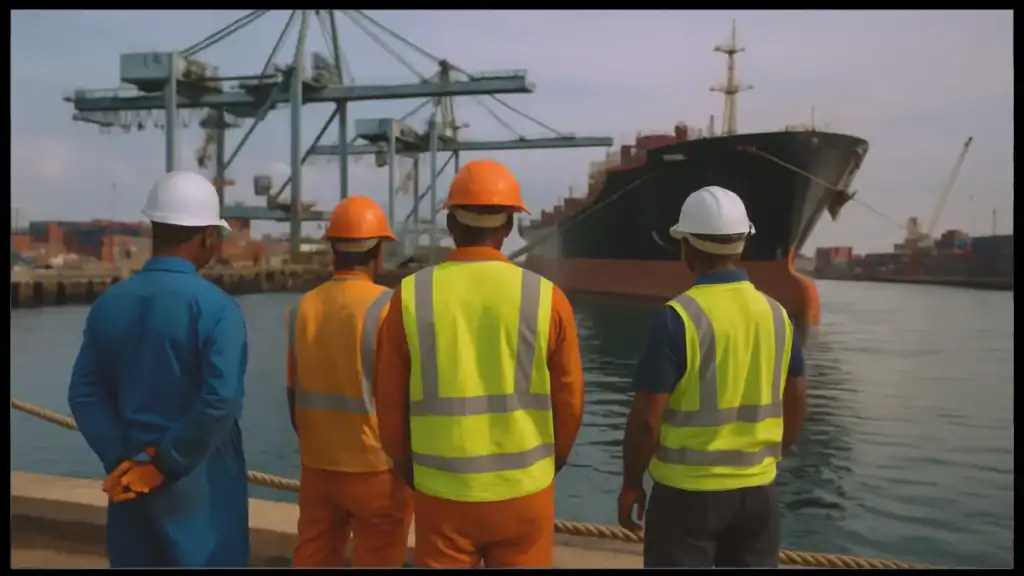
South Africa’s Department of Labour has issued a directive designating certain port operations, including navigation, pilotage, towage, berthing, and hazardous cargo handling, as essential services. This step effectively prohibits strike actions by those Transnet employees working in these areas, aiming to prevent the crippling disruptions experienced during the 2022 port strike, which cost the economy billions.
Following recent wage agreements with major unions, the government’s updated essential service classifications are intended to bring stability to Transnet operations and limit future industrial action.
Port Strike Policy & Operational Safeguards (South Africa, 2025)
Greater operational continuity during labor disputes
Labor Relations Context
UNTU and SATAWU unions; recent wage agreement reached
Negotiated wage deal averts immediate strike risk
Reduced political pressure for industrial action
Historical Disruption
2022 port strike by UNTU lasted 11 days
Estimated export losses over $3 billion
Prompted policy review on essential services
Economic Backstop
State guarantee of $2.8 billion to support Transnet
Debt management and infrastructure investment support
Improved capacity for dealing with operational shocks
Capacity Enhancement
Berthing of ultra-large containerships at Durban & Ngqura
Recent successful docking of vessels with up to 24,000 TEU capacity
Signal of improved port readiness and throughput capability
Note: These measures follow a major wage accord approved by UNTU and SATAWU. Official essential service classification is expected to be formalized via updated labour regulations.
Industry Impact Overview
South Africa’s effort to restrict strike action in core port roles is drawing attention across the global maritime and logistics community. By designating critical services such as towage, pilotage, and hazardous cargo handling as essential, the country signals a shift toward protecting continuity in a vital sector of its economy.
Key Impacts:
Supply Chain Stability Consistent port operations will reduce export delays, especially for minerals and agricultural goods bound for Asia and Europe.
Investor Confidence Reduced labor-related risk may make Transnet and its port upgrades more attractive for private and institutional investors.
Labor Relations Tightrope While the move ensures cargo flow, it may spark tension with unions in sectors not included in the "essential" designation.
Regional Trade Advantage A stable South African port system could gain market share from less predictable hubs in East and West Africa.
Insurance and Risk Adjustment Fewer strike-induced delays may influence port risk ratings, insurance premiums, and freight rate forecasts.
Essential Port Functions vs. Strike Restrictions
Port Function
Strike Status (SA, 2025)
Impact if Disrupted
Notes
Towage & Berthing
Prohibited from striking
Prevents vessel docking or departure
Now classified as essential services
Pilotage
Prohibited from striking
Required for navigation in/out of ports
Designation follows 2022 strike delays
Hazardous Cargo Handling
Prohibited from striking
Delays can risk safety and compliance
Crucial for liquid bulk and chemicals
Container Handling
Strike still permitted
Can halt throughput for days
Under review for future inclusion
Gate & Admin Services
Strike still permitted
Delays customs clearance and road logistics
Unions may contest expanded restrictions
Note: South Africa’s essential services classification may expand depending on outcomes of further labor consultations and port risk analysis.