SHIPUNIVERSE
Maritime Intelligence, Tools & Live Industry Radars

One place for live maritime intelligence, practical decision tools, industry events and focused reporting.

17Live Radars 286Maritime Tools
24/7Intelligence Focus
GlobalIndustry Coverage
RADARS
TOOLS
All Tools
Latest 20
Open to load latest items…
NEWS
All News
Latest 20
Open to load latest items…
REPORTS
All Reports
Latest 20
Open to load latest items…
TECH
All Tech
Latest 20
Open to load latest items…
CRUISE
All Cruise
Latest 20
Open to load latest items…
NAVAL
All Naval
Latest 20
Open to load latest items…
SHIPUNIVERSE REPORTING

Reports, news and industry coverage

Full analysis in the ShipUniverse intelligence layout.

← Back to latest posts ShipUniverse / NEWS

Methanol’s Big Test: DNV Says The Fuel Is Ready, But The Numbers Still Hurt

🔔 Subscribe to ShipUniverse Weekly →

DNV’s new white paper on methanol fuel makes a simple but important point for shipowners: technically, methanol is now a workable, scalable fuel for deep-sea ships, with engines and systems at high readiness and more than 450 methanol-capable vessels in operation or on order across major segments. The brake is no longer technology but economics. Bio and e-methanol are still roughly three times the cost of marine gas oil, and current low-GHG methanol production is only a tiny fraction of the volumes DNV expects could be needed by 2040. How you read that gap will shape your newbuild, retrofit and chartering strategy for the next decade.

📎 Click here for 30 second summary

Methanol outlook from DNV Summary

DNV’s latest analysis says methanol is technically ready as a marine fuel, with engines, safety rules and bunkering concepts in place and hundreds of ships already ordered or on the water. The real constraint is not the machinery but the business case: low greenhouse gas methanol is still expensive and scarce compared with fuel oil, and policy support is not yet strong enough to fully close that gap.

⚙️ Technology and fleet signal
Dual fuel methanol engines are proven across deep sea segments, and yards have repeat designs. This lowers technical risk for newbuilds and retrofits. Existing methanol capable ships gain a head start on future compliance, especially on trades where customers and regulators are already asking for documented emissions cuts.
📊 Fuel economics and availability
Bio and e methanol are priced well above conventional bunkers and current global volumes of low greenhouse gas methanol are small. Owners that move early often need long term charters, offtake deals or regional carbon schemes to bridge the cost. Without that support, methanol use is likely to stay focused on selected trades and customers rather than the whole fleet.
⚓ Asset strategy and timing
For most fleets, the choice is between ordering flexible dual fuel tonnage now or waiting for clearer carbon rules and cheaper green fuel. Getting the timing wrong could mean paying early for fuel options that are not used, or delaying too long and seeing older mono fuel ships discounted on charter lists and in the resale market once stricter climate rules arrive.
Bottom line: methanol has moved into the serious option category, but the fuel economics are not yet comfortable. Owners that pair methanol capable designs with credible fuel supply and charter support can turn that readiness into an advantage for the next ten to fifteen years, while those without backing may prefer to keep options open and upgrade step by step.
DNV On Methanol: Technically Ready, Economically Tight
Item Summary Business Mechanics Bottom-Line Effect
Technical readiness DNV’s new white paper says methanol engines and fuel systems have reached high readiness across major ship types, with modern dual-fuel designs logging more than 600,000 operating hours on methanol. Proven engine designs, established safety concepts and class rules reduce technology risk for both newbuilds and retrofits. Technical hurdles are no longer the primary barrier. 📈 Lower technical risk and better yard familiarity support bankability and charter confidence for methanol-capable tonnage.
Fleet and orderbook DNV tracks more than 450 methanol-capable ships in service and on order, with coverage now spanning containers, tankers and other segments. At the same time, 2025 has seen a slowdown in alternative-fuel orders versus 2024, and methanol’s share of new orders has dipped as owners reassess economics. Early movers in 2023–24, especially in containers, locked in methanol-capable newbuilds. New decisions now sit against softer freight, tighter capital and questions about fuel cost pass-through. 📈 Existing methanol-capable ships gain scarcity value in some trades. 📉 New orders face tougher investment committees and may need strong charter support or policy backing.
Fuel cost and availability DNV estimates bio-methanol prices around USD 2,500 per tonne MGOe in 2025, roughly three times marine gas oil, while global low-GHG methanol output is about 2.2 million tonnes against potential demand of up to 60 million tonnes by 2040. Owners face a spread between fuel cost and any carbon or green premium in freight. Without strong carbon pricing or subsidies, charterers may resist paying enough to cover the delta. 📉 Higher voyage OPEX for truly green methanol. 📈 If future carbon costs rise, today’s methanol-capable assets could enjoy a compliance and earnings premium.
Infrastructure and bunkering Methanol uses conventional tank and piping technology, and DNV notes that many industrial terminals already handle it. Recent large bunkering trials, such as ship-to-ship methanol fueling in Singapore under a new standard, show that marine bunkering infrastructure is starting to scale. Using ambient-temperature tanks and existing chemical logistics reduces capex compared with cryogenic fuels. Ports can extend terminal capacity and add dedicated bunkering vessels rather than build entirely new systems. 📈 Lower infrastructure complexity supports multi-port fuel availability over time. 📉 Near-term, bunkering remains concentrated in a limited set of hubs, which can constrain routing.
Environmental profile Methanol is sulfur-free, produces negligible soot and significantly less NOx than fuel oil. Certain bio and e-methanol pathways can deliver very low or even negative lifecycle emissions when produced from sustainable feedstocks and renewable power. On a tank-to-wake basis, local air quality improves, which matters in emission control areas and for port regulations. Lifecycle performance depends heavily on feedstock and power mix. 📈 Supports compliance with stricter local emissions rules and improves port and community acceptance. 📉 Owners must document well-to-wake performance to claim regulatory benefits.
Policy timeline and demand DNV’s Energy Transition Outlook outlines a three-stage shift: biofuels gaining share through the 2030s, e-methanol entering widespread use from around 2037, and ammonia following as a zero-carbon option. LNG still dominates the alternative fuel mix in the near term. IMO’s Net-Zero Framework and EU rules such as FuelEU Maritime will tighten lifecycle GHG intensity requirements and raise the cost of fossil fuels. Methanol’s role depends on how quickly these frameworks bite and how carbon prices evolve. 📈 Methanol-capable ships can act as a bridge into stricter regimes. 📉 If policy support is slower than expected, owners risk paying early for fuel flexibility that is not fully monetized.
Retrofits and capex choices DNV reports that retrofit feasibility is well established, and that standard bunkering solutions simplify conversion compared with LNG. However, capex remains significant and must be weighed against remaining vessel life and expected fuel spreads. Owners are focusing on younger, higher-spec assets in core trades for methanol retrofits, often linked to charters or offtake agreements that share the fuel-risk with cargo interests. 📈 Well-structured retrofits can extend asset relevance and charterability. 📉 Mis-timed projects or conversions on marginal tonnage risk weak returns if green fuel supply or demand lags.
Competitive positioning vs other fuels LNG and methanol dominate current alternative-fuel orders, but LNG holds a larger share and benefits from rapidly expanding global supply. Methanol competes as a flexible, easier-to-handle liquid fuel, yet faces cost and availability constraints until low-GHG production scales. Many owners pursue dual-fuel strategies to keep options open. Some see methanol as a mid term solution while waiting for wider availability of e-methanol, bio-methane or ammonia. 📈 Dual-fuel designs with methanol capability can protect long term asset value. 📉 A single-fuel bet on methanol without secure green supply could expose vessels to fuel-price and reputational risk.
Notes: Figures and qualitative assessments reflect DNV’s December 2025 methanol white paper, its Maritime Forecast to 2050, and recent AFI orderbook data. Actual impact varies by vessel type, trade, remaining life and access to low-GHG methanol supply.
Engines are ready for methanol, fuel economics are not there yet
DNV’s latest view is that methanol is one of the most mature alternative fuels technically. The real bottleneck is the cost and volume of low greenhouse gas methanol, and how much of that cost carbon pricing and cargo owners will actually cover.
Quick read of the methanol picture
Engine and safety readiness
Strong
Fuel cost compared with oil
Very high
Available low GHG supply today
Limited
Support from policy and carbon rules
Growing
Charterer willingness to pay green premium
Mixed
Levels are directional, based on DNV’s numbers for methanol orders, fuel prices, and policy progress.
Theme Positive for methanol Pressure point
Ship technology Dual fuel engines in service, large orderbook spread across segments, clear class rules. Retrofit work is still complex and expensive on older or smaller ships.
Fuel and logistics Liquid at ambient temperature, can use chemical logistics, easier storage than cryogenic fuels. Very small pool of low GHG supply today compared with potential long term demand.
Regulation and carbon cost EU ETS and FuelEU start to reward lower lifecycle emissions and better CII scores. Global rules are still being shaped, so long term price signals are not fully clear for investors.
Owner profile How methanol fits today Bottom-line angle
Long term charter backed fleet Methanol dual fuel works when key charterers commit to pay part of the green premium through multi year contracts. Strong match, economics hinge on contract coverage rather than spot markets.
Opportunistic spot trader High fuel spread and uncertain green premiums make full methanol exposure harder to justify without support. More cautious, might wait or only add a small number of flexible ships.
Refinancing focused owner with older tonnage Retrofits on aging ships are difficult to make work. Focus shifts to when to sell or recycle and what to order next. Bigger risk around asset values as green capable ships slowly become the benchmark.

For shipowners and other stakeholders, DNV’s message on methanol is a classic timing problem. The engines, safety rules and bunkering concepts are mature enough that the technology risk looks manageable. What is not yet comfortable is the spread between fossil fuels and low greenhouse gas methanol, and the limited supply that can truly count as green at scale. The next few years are likely to reward owners that secure flexible dual fuel designs, anchor projects with solid charter coverage and keep a close eye on fuel contracts and carbon pricing, rather than those that chase methanol orders without clear backing or wait so long that green capable ships become the new minimum standard in their core trades.

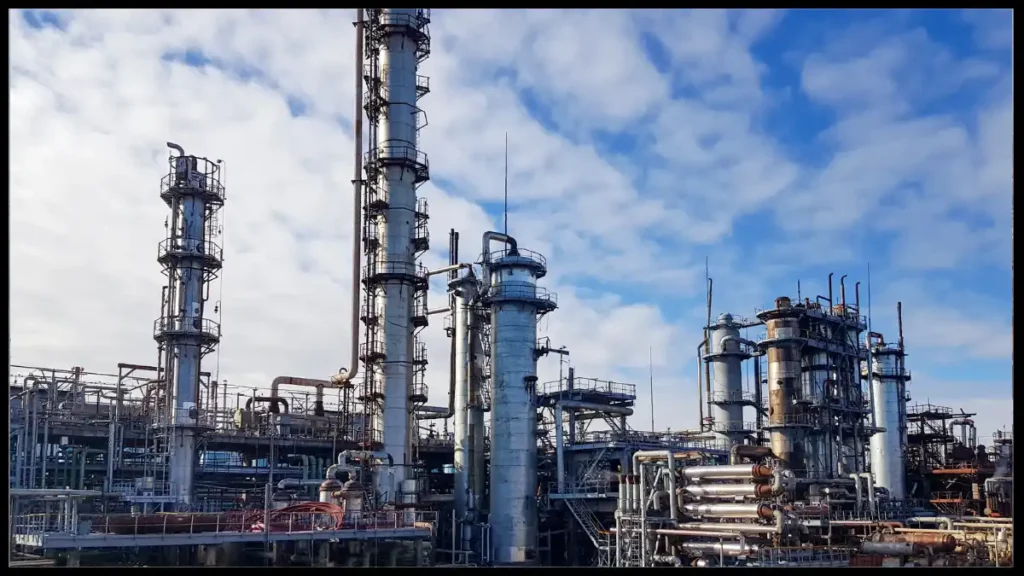
We welcome your feedback, suggestions, corrections, and ideas for enhancements. Please click here to get in touch.
By the ShipUniverse Editorial Team — About Us | Contact


← Browse more ShipUniverse posts
MARITIME DECISION TOOLS

Practical tools for real vessel and commercial decisions

Browse the latest 24 tools or instantly search every published ShipUniverse maritime tool.

24 latest toolsView all 286 →
TOOL

Port Waste Reception, MARPOL Delivery Notice, Disposal Logistics & Charge Verification Tool

🔔 Subscribe to ShipUniverse Weekly → Port Operations · MARPOL Waste…

Open →
TOOL

Maritime Crew Recruitment, Retention, Manning Agency Fees & Attrition Cost Tool

🔔 Subscribe to ShipUniverse Weekly → ShipUniverse · Fleet Crewing Economics…

Open →
TOOL

Container Rail Intermodal Connection, Terminal Dwell & Train Slot Tool

🔔 Subscribe to ShipUniverse Weekly → Ship-to-Rail · Intermodal Terminal ·…

Open →
TOOL

Bulk Grain Cargo Quality, Fumigation, Hold Readiness & Rejection Exposure Tool

🔔 Subscribe to ShipUniverse Weekly → Cargo quality · Hold inspection…

Open →
TOOL

Marine Equipment OEM Warranty, Service SLA & Repair Claim Tool

🔔 Subscribe to ShipUniverse Weekly → Equipment Reliability · OEM Claims…

Open →
TOOL

Freight Forwarder Shipment Quotation, Buy/Sell Rates, Routing & Margin Tool

🔔 Subscribe to ShipUniverse Weekly → Freight forwarding · NVOCC pricing…

Open →
TOOL

Ro-Ro Vehicle Terminal Yard Capacity, PDI & Vessel Loading Flow Tool

🔔 Subscribe to ShipUniverse Weekly → Vehicle terminals · PCTC &…

Open →
TOOL

Marine Hull & P&I Renewal, Premium Quote, Deductible & Coverage Comparison Tool

🔔 Subscribe to ShipUniverse Weekly → Marine Insurance · Renewal Tender…

Open →
TOOL

Offshore Support Vessel Charter Bid, Utilization & Campaign Profitability Tool

🔔 Subscribe to ShipUniverse Weekly → Offshore commercial operations · PSV…

Open →
TOOL

Marine Repair Tender, Shipyard Bid Comparison & Contract Cost Risk Tool

🔔 Subscribe to ShipUniverse Weekly → Ship Repair Procurement · Yard…

Open →
TOOL

Container Transshipment, Missed Connection, Rollover & Recovery Cost Tool

🔔 Subscribe to ShipUniverse Weekly → Container Liner Networks · Feeder-to-Mother…

Open →
TOOL

Vessel Pre-Purchase Technical Survey, Defect Valuation & Acquisition CAPEX Tool

🔔 Subscribe to ShipUniverse Weekly → Vessel S&P · Technical Due…

Open →
TOOL

Contract of Affreightment, Cargo Nomination, Fleet Allocation & Fulfilment Risk Tool

🔔 Subscribe to ShipUniverse Weekly → Dry Bulk Contracts · Cargo…

Open →
TOOL

Port Pilotage, Tug Dispatch, Berth Window & Marine Services Coordination Tool

🔔 Subscribe to ShipUniverse Weekly → Harbor Operations · Pilotage ·…

Open →
TOOL

Offshore Heavy Lift, Crane Spread, Weather Window & Installation Cost Tool

🔔 Subscribe to ShipUniverse Weekly → Offshore Construction · Heavy Lifts…

Open →
TOOL

Cruise Embarkation, Terminal Security, Gangway Queue & Passenger Processing Tool

🔔 Subscribe to ShipUniverse Weekly → Cruise Operations · Terminal Security…

Open →
TOOL

Dangerous Goods Declaration, Booking Acceptance & Documentation Readiness Tool

🔔 Subscribe to ShipUniverse Weekly → IMDG Documentation · Dangerous Goods…

Open →
TOOL

Marine Salvage, Wreck Removal, Pollution Response & Casualty Cost Tool

🔔 Subscribe to ShipUniverse Weekly → Marine Casualty · Emergency Salvage…

Open →
TOOL

Ferry Route Capacity, Timetable Reliability & Passenger Revenue Tool

🔔 Subscribe to ShipUniverse Weekly → Ferry Networks · Route Planning…

Open →
TOOL

Inland Barge Tow, Lock Delay, Fleet Utilization & Voyage Profitability Tool

🔔 Subscribe to ShipUniverse Weekly → Inland Navigation • Towboat Economics…

Open →
TOOL

Marine Bunker Procurement, Supplier Quote Comparison & Delivered Fuel Cost Tool

🔔 Subscribe to ShipUniverse Weekly → Bunker Procurement • Fuel Grades…

Open →
TOOL

Reefer Cargo Temperature Excursion, Cold Chain & Cargo Claim Exposure Tool

🔔 Subscribe to ShipUniverse Weekly → Reefer Cargo • Temperature Evidence…

Open →
TOOL

Electronic Bill of Lading, Cargo Release & Documentation Discrepancy Tool

🔔 Subscribe to ShipUniverse Weekly → Container Shipping • Digital Trade…

Open →
TOOL

Crew Change, Relief Logistics, Port Coordination & Cost Tool

🔔 Subscribe to ShipUniverse Weekly → Fleet Crewing • Seafarer Repatriation…

Open →