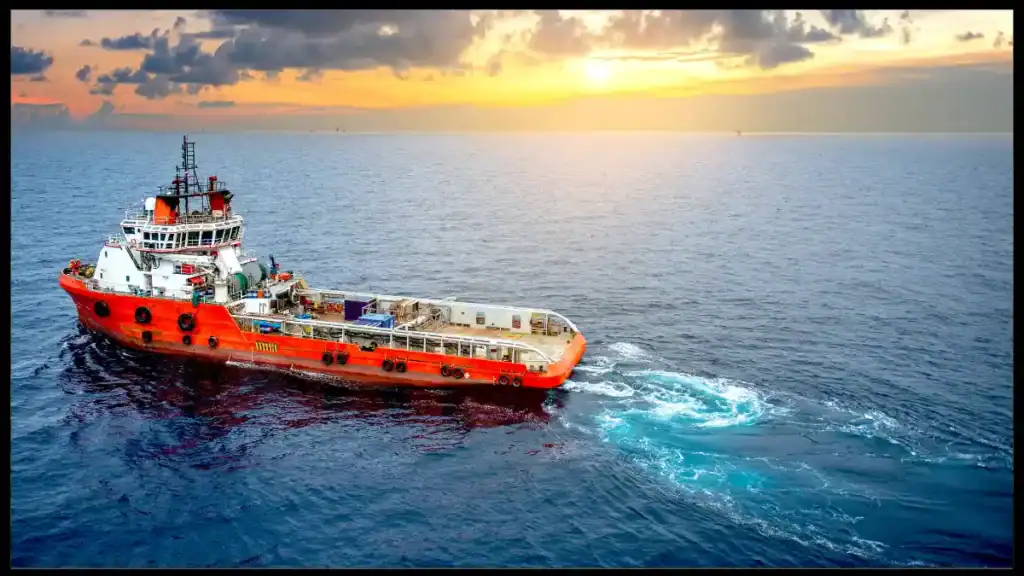
Japan is preparing to conduct the world’s first-ever test extraction of rare-earth–rich seabed mud in early 2026. The pilot program, located roughly 1,900 km southeast of Tokyo near Minamitori Island, aims to retrieve strategic minerals like neodymium, dysprosium, gadolinium, and terbium from depths of 5,000–6,000 meters. Funded by the Japanese government and led by JAMSTEC and the Cabinet Office’s ocean innovation platform, the project represents a bold step to reduce reliance on China for critical minerals and enhance national security.
Deep-Sea Rare-Earth Mining Pilot (Japan)
Aspect
Details
Timeframe
Strategic Objective
Location
Minamitori Island EEZ (~1,900 km southeast of Tokyo)
Extract mud Jan–Mar 2026
Secure domestic rare earth sources
Depth
5,000–6,000 meters
Exploration phase Jan 2026
Test equipment under extreme conditions
Extraction System
Pipes deployed from JAMSTEC vessel *Chikyu*
Drilled sample recovery Jan–Feb 2026
Validate seabed-to-shore transport
Output Target
Hypothetical extract rate: 350 tonnes/day (applies to Jan 2027)
Trial scale operation Jan 2027
Assess feasibility for scale-up
Key Minerals
Neodymium, Dysprosium, Gadolinium, Terbium
2026–2027 phases
Support EV, electronics industries
Note: Pilot funded and directed by Japan’s Cabinet Office and JAMSTEC. Would be the first-ever attempt to refine rare earths from abyssal mud within a national EEZ. No reserve estimates or full investment amounts disclosed.
Industry Impact Overview
Japan’s move toward deep-sea rare-earth mining signals a pivotal shift in global resource strategy. If successful, this project could reshape supply chains, alter geopolitical dependencies, and introduce new environmental and regulatory paradigms. The maritime sector, especially subsea operations, logistics, and offshore engineering will be closely impacted as the initiative progresses.
Key Industry Impacts:
Subsea Equipment Demand Surge ROVs, deepwater drilling systems, slurry transport units, and pressure-tolerant machinery will be in higher demand.
Strategic Maritime Partnerships Japan may enter bilateral tech or shipping partnerships for mineral handling, processing, and logistics.
Route Planning for Exports If commercialized, dedicated mineral carriers may operate between Minamitori Island and mainland processing zones.
Environmental Oversight Intensifies Other countries observing Japan’s approach could shape their own subsea mining policy—whether by imitation or restriction.
Port and Customs Considerations Specialized handling infrastructure for radioactive or heavy-metal-rich mud may be needed at entry ports.
Deep-Sea Mining Project Comparison (2025)
Project
Location
Target Resource
Current Phase
Estimated Depth
Japan EEZ Rare Earth Mud Test
Minamitori Island, Japan
Rare Earth Elements (REEs)
Pilot Mining Scheduled (2026)
5,000–6,000 m
Cook Islands Nodule Program
South Pacific EEZ
Manganese, Cobalt, Nickel
Exploration Surveys (Ongoing)
4,000–5,000 m
TMC NORI-D (Clarion-Clipperton)
Pacific Ocean, CCZ
Polymetallic Nodules
Pre-Commercial Trials
4,000–4,500 m
India Samudrayaan Mission
Central Indian Ocean Basin
Polymetallic Nodules
Crewed Sub Testing (2024–2026)
Up to 6,000 m
China SMS Ridge Exploration
Southwest Indian Ridge
Seafloor Massive Sulfides (SMS)
ROV/Survey Trials (2025)
2,000–3,000 m
Note: These projects represent varying stages of deep-sea mining activity. Japan’s initiative is the first focused rare earth mud extraction trial within national EEZ waters. All operations remain under international environmental scrutiny and may evolve in status.