Hormuz Gunboat Escalation Keeps Gulf Shipping Frozen as U.S.-Iran Clash Deepens
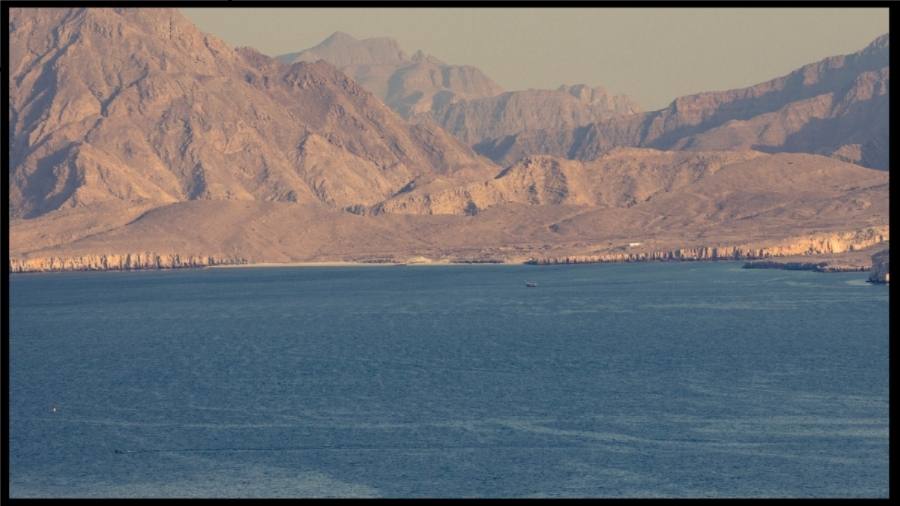
The latest Hormuz picture is being driven by simultaneous military escalation and commercial paralysis. U.S. forces say Iranian missiles, drones, and small boats have been used repeatedly against American naval units and the ships they were protecting, while Iran says Washington has violated the ceasefire with attacks on vessels near the strait and on coastal targets. The most immediate result for shipping is that the waterway remains heavily disrupted despite the U.S. effort to reopen it. Only one tanker and a few cargo ships were seen moving on May 4, while hundreds of commercial vessels and as many as 20,000 seafarers had been unable to transit. In parallel, the UKMTO reported that a cargo vessel was struck by an unknown projectile inside the Strait of Hormuz, underlining that the current risk is no longer theoretical for merchant shipping.
| Fast reader take | Latest maritime signal | Operational meaning | Commercial consequence | Shows up first | Closest stakeholders |
|---|---|---|---|---|---|
| Gunboats are now part of a live combat picture |
U.S. forces said Iran used multiple small boats, missiles, and drones against ships or naval units during the U.S. reopening effort.
small boats
missiles
drones
escort risk
|
Merchant shipping near protected movements is operating in proximity to live kinetic confrontation, not just deterrence signaling. | Transit confidence remains weak even where naval protection is present. | Higher hesitation from owners, more selective deployment, slower convoy-style decision making. | Shipowners, naval planners, underwriters, security advisers. |
| The U.S.-Iran ceasefire is still unstable |
Washington says it carried out self-defence retaliation after Iranian attacks, while Iran says the U.S. violated the ceasefire first.
retaliatory strikes
ceasefire dispute
military escalation
|
Shipping does not have a dependable political foundation for restored normal passage. | Freight and war-risk assumptions remain exposed to sudden reversals. | Continuing volatility in route planning and insurance pricing. | Charterers, insurers, ship managers, commodity desks. |
| Commercial transit is still far below normal |
Only one tanker and a few cargo ships moving on May 4, despite the U.S. announcement that it would help restore navigation.
standstill traffic
one tanker
few cargo ships
|
The market has not treated the U.S. effort as proof that normal passage has returned. | Backlogs, stranded ships, and cargo delays remain embedded in the system. | Low throughput, idle vessels, supply-chain congestion. | Tanker owners, gas shippers, bulk operators, port users. |
| Iran is trying to reassert control over vessel movement |
Iran set up a new mechanism to manage vessel transit through Hormuz while contesting the U.S. effort.
transit mechanism
Iranian control
routing authority
|
Ship operators face overlapping claims over how passage should be organized and protected. | Procedural ambiguity itself becomes a shipping risk. | Confusion over communication channels, routing expectations, and compliance behavior. | Masters, fleet ops teams, flag states, shipping associations. |
| Projectiles are still hitting merchant shipping |
UKMTO reported a cargo vessel was struck by an unknown projectile inside the strait.
merchant ship hit
unknown projectile
UKMTO alert
|
The risk to commercial hulls remains immediate and practical, not only strategic or political. | Each new incident reinforces reluctance to resume routine transits. | More caution clauses, more route refusals, and extended waiting outside the strait. | Operators, crews, insurers, cargo owners. |
Hormuz Shipping Stress Tool
This built-in tool measures how much the latest U.S.-Iran escalation is still constraining commercial shipping. It turns the current mix of naval confrontation, traffic suppression, merchant-vessel danger, and policy confusion into one live pressure score.
Live corridor inputs
Adjust the sliders to estimate how strongly the latest gunboat activity, U.S.-Iran escalation, and merchant-shipping incidents are affecting normal passage.
Live readout
This section converts the current naval and commercial picture into one corridor score so the article can show whether Hormuz still behaves more like a conflict zone than a functioning sea lane.
The latest update suggests that Hormuz is still operating under conflict-era conditions even after the U.S. declared it would help restore navigation.
Ships can move, but the corridor remains politically and operationally fragile.
Commercial movement is possible only with heightened caution, selective routing, and heavy risk review.
Military confrontation, weak traffic, and merchant-vessel danger all materially constrain routine commercial transit.
The sea lane remains so unstable that the market treats it as functionally blocked except for exceptional or highly protected movements.
The core takeaway is that naval action alone has not restored shipping normality. Gunboat encounters, unresolved U.S.-Iran confrontation, and continuing hits on commercial vessels are still strong enough to keep merchant traffic far below normal.
We welcome your feedback, suggestions, corrections, and ideas for enhancements. Please click here to get in touch.