HMM Namu Blast Near Hormuz Puts Dubai Tow, Cargo Risk, and Gulf Transit Safety in Focus
🔔 Subscribe to ShipUniverse Weekly →
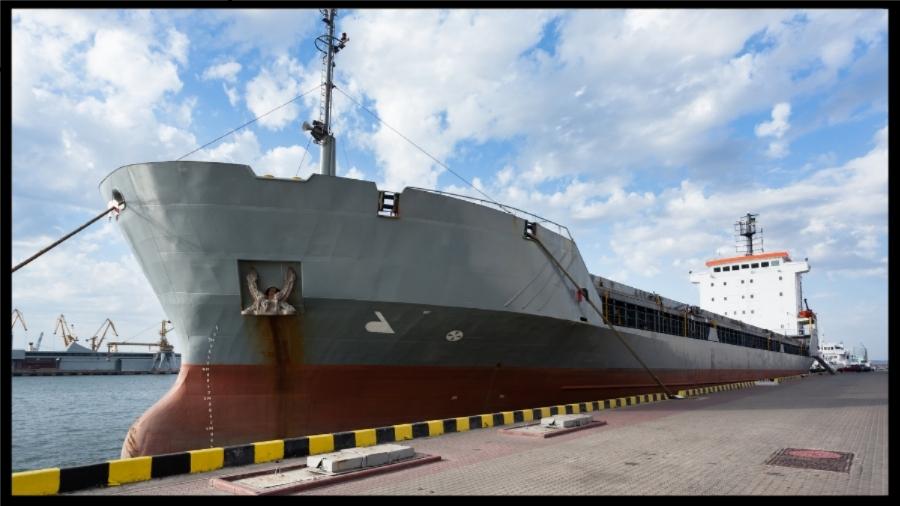
The South Korean shipping group HMM said its Panama-flagged bulk carrier HMM Namu suffered an explosion and fire while stranded in or near the Strait of Hormuz traffic zone, and that the vessel is now being towed to Dubai for inspection and follow-up action. The company said the fire was extinguished, all 24 crew remained safe, and the ship was expected to reach Dubai by late Thursday or early Friday Seoul time. Public reporting and security commentary around the incident have described the vessel as a newly built 38,000 dwt multipurpose or bulk carrier, and the event comes during a period when shipping through Hormuz has already been under extreme pressure from attacks, escort debates, and intermittent restrictions on commercial passage.
30-second summary Click to open the quick shipping view ▶
An HMM-operated ship was damaged badly enough to leave trade and head for Dubai under tow
The immediate story is simple and serious. An HMM-operated commercial vessel suffered an explosion and fire in the Hormuz area, the crew remained safe, the fire was extinguished, and the ship could not simply resume its voyage. Instead, the vessel had to be taken out of the traffic picture and lined up for towage to Dubai. In a normal market that would already be a major casualty event. In the current Gulf market it also becomes a route-security event, because any damaged commercial ship in Hormuz immediately raises questions about merchant-vessel exposure, towage and salvage capacity, inspection timelines, cargo disruption, and whether other operators will change their risk posture.
The most important shipping consequence is that a live commercial casualty in Hormuz turns regional security risk into an immediate fleet-management and cargo-management problem.
| Fast reader take | Latest maritime signal | Operational meaning | Commercial consequence | Shows up first | Closest stakeholders |
|---|---|---|---|---|---|
| The vessel left trade immediately |
HMM had to secure a tow to Dubai instead of continuing the voyage under normal operating conditions.
tow to Dubai
inspection
off-hire risk
|
The ship moved from transport asset to casualty asset within one event cycle. | Cargo schedules, asset utilization, and repair planning all become immediate issues. | Voyage interruption and repair-window uncertainty. | HMM, cargo interests, brokers, insurers, technical managers. |
| The crew outcome limited the human emergency |
All 24 crew were reported safe and no fatalities were reported.
24 crew safe
no casualties reported
|
The safety picture avoided the worst-case human outcome, but the incident still remained commercially severe. | Attention shifted quickly from rescue to towage, inspection, damage assessment, and route-risk implications. | Faster transition into claims and operational recovery planning. | Owner, crew managers, insurers, flag-state and port authorities. |
| Cause and attribution remain part of the story |
Seoul said it was investigating the cause, while Trump said the ship had been hit by an Iranian attack.
cause under review
Iran attribution claim
|
The casualty sits inside a geopolitical security narrative, not only a technical one. | Risk perception for other operators may harden even before formal forensic conclusions are complete. | War-risk pricing and route reassessment. | Shipowners, security advisers, underwriters, naval authorities. |
| Dubai becomes the next operational checkpoint |
The ship is being taken to Dubai for inspection and further action after the fire damage.
Dubai safe harbor
inspection phase
|
The commercial incident now shifts from open-water emergency management to port-based technical and legal assessment. | Repair scope, class implications, and return-to-service timing become the next major questions. | Survey, class review, damage report, charter-party consequences. | Class, surveyors, repair yards, claims handlers, charterers. |
| The incident feeds broader Gulf traffic anxiety |
The explosion happened while Hormuz shipping was already under severe strain from conflict, traffic controls, and attacks.
Hormuz disruption
regional traffic risk
|
A single casualty now acts as evidence inside a wider operating-risk debate for the entire corridor. | More owners may seek delay, reroute, extra cover, or stronger security protocols before transiting. | Tonnage hesitation and tougher Gulf deployment decisions. | Container lines, bulk operators, tanker owners, commodity traders. |
Hormuz Casualty Pressure Tool
This built-in tool measures how much the HMM Namu incident changes the commercial risk picture for ships in the Gulf. It combines ship-damage severity, corridor insecurity, cargo disruption, and likely insurance or deployment pressure into one live score.
Live casualty inputs
Adjust the sliders to estimate how much this incident changes towing, cargo continuity, insurance thinking, and other operators’ willingness to keep transiting Hormuz.
Live readout
This section turns the HMM Namu casualty into one corridor-risk score so the article can show how a single ship incident scales into wider commercial pressure.
The HMM Namu incident looks like more than an isolated ship casualty because it strengthens the broader case that Hormuz transit risk is affecting normal commercial decision-making.
The incident remains mostly a vessel-specific problem with limited spillover into wider route behavior.
The casualty clearly matters commercially, but route-wide behavior only shifts moderately.
The damaged ship becomes a wider warning signal for operators, cargo interests, and underwriters using Hormuz.
Incidents like this begin materially reshaping deployment logic, insurance posture, and the commercial confidence needed to keep traffic flowing normally.
The HMM casualty matters because in a tightly stressed corridor, one damaged commercial ship does not stay a ship-specific problem for long. It quickly becomes evidence in freight, insurance, and deployment decisions across the wider Gulf market.
We welcome your feedback, suggestions, corrections, and ideas for enhancements. Please click here to get in touch.