Russia’s LNG Fleet Grows Just as Europe’s Door Starts Closing
🔔 Subscribe to ShipUniverse Weekly →
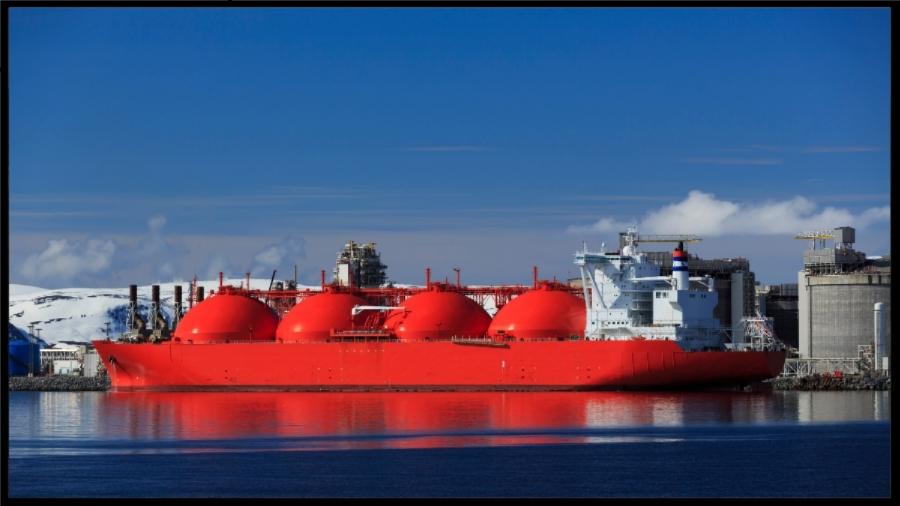
Russia has added four liquefied natural gas carriers to its fleet just as Europe’s restrictions on Russian gas imports move closer to full effect. Ship-tracking data and the Russian ship register show the four tankers, now renamed Orion, Luch, Mercury, and Kosmos, were transferred to new owners earlier this year, reflagged to Russia, and are now moving north in the Atlantic. One of them, Luch, is heading toward Murmansk, near the Saam LNG floating storage unit used in Arctic transshipment operations. The timing is notable because the European Union is already phasing in tighter restrictions on Russian gas and LNG, with short-term contract curbs already active and a full ban on Russian LNG imports set for 2027. Taken together, the fleet additions and the shifting sanctions timeline show Russia preparing for a harder export environment by trying to widen its own transport capacity before Europe’s remaining access narrows further.
Click here for 30 second summary ▶
Russia is adding transport capacity before Europe’s LNG off-ramp gets tighter
The latest fleet move shows Russia adding four conventional LNG carriers to its transport base ahead of a much tougher European import regime. The vessels were previously owned outside Russia, changed ownership earlier this year, received new names, and were reflagged to Russia. Their positioning toward the north Atlantic and Murmansk area suggests a role tied to Arctic transshipment, particularly around facilities that allow cargoes from ice-class LNG carriers to be transferred onto more conventional vessels for longer-haul delivery. This is happening at the same time Europe is phasing in new restrictions on Russian gas and LNG, which means the fleet expansion reads as a practical shipping response to a narrowing export window rather than a routine tonnage shuffle.
| Pressure lane | Current marker | Immediate operating read | Importance | Commercial consequence | Next checkpoint |
|---|---|---|---|---|---|
| Fleet expansion timing | Russia added four conventional LNG carriers just ahead of deeper EU import restrictions. Pre-ban positioning | The move looks designed to widen export flexibility before Europe becomes a much narrower outlet. | Transport capacity matters more when sanctions make every available vessel more valuable. | Russia gains more optionality in cargo routing, especially for deliveries that need non-ice-class tonnage beyond Arctic shuttle legs. | Watch whether the four ships begin working regular Arctic-linked loading and discharge patterns over the coming months. |
| Murmansk transshipment link | One of the four carriers, Luch, is listed for Murmansk, close to the Saam LNG floating storage unit. Infrastructure fit is visible | This is not just abstract fleet growth. It lines up with a known logistics node in Russia’s LNG system. | Murmansk transshipment allows ice-class vessels from Arctic projects to hand off cargoes to conventional carriers for longer voyages. | A larger conventional fleet can help Russia preserve exports even if specialized Arctic shipping remains constrained. | Watch whether more of the added ships converge on Murmansk or remain in broader Atlantic deployment. |
| Yamal and Arctic LNG linkage | Ship-to-ship LNG transfers near Murmansk are already being used for Arctic LNG-2 and Yamal LNG cargoes. These ships plug into an existing workaround | The new carriers support a logistics model Russia is already using rather than creating a brand-new route from scratch. | That makes the fleet addition more operationally relevant than a simple registry headline. | Conventional carriers can extend the reach of sanctioned Arctic supply by taking over non-Arctic voyage legs. | Watch whether additional transfers feed more cargoes toward Asia rather than Europe. |
| Europe’s shrinking role | The EU has already locked in a schedule to stop short-term Russian LNG contracts first and long-term imports by January 2027. Market outlet is narrowing | Russia is preparing for a world in which Europe is no longer the dependable LNG buyer it once was. | Europe has historically been a major destination for Yamal LNG, so the ban forces a deeper export pivot. | Cargoes will need more redirection toward Asia or other willing markets, which usually means longer voyages and more shipping dependency. | Watch whether Europe-bound volumes keep falling while Asia-bound cargoes pick up more consistently. |
| Age and ship quality | All four added ships were built in 2005 to 2006. Useful tonnage, but not modern growth tonnage | Russia is adding capacity, but not through cutting-edge newbuilds. | Older ships can still be commercially useful, but they may carry more operating, maintenance, or marketability constraints than newer LNG carriers. | The gain is immediate availability rather than long-horizon fleet quality. | Watch whether Russia follows this move with more second-hand acquisitions or finds ways to secure newer tonnage indirectly. |
| China redirection path | Yamal LNG had sent its first cargo to China since November. Asia pivot is already underway | Russia is not only preparing for Europe’s ban in theory. It is already testing and rebuilding eastbound delivery patterns. | Cargo redirection is more credible when it is supported by actual shipments, not just policy statements. | A larger working fleet could help Russia sustain more of those longer-haul diversions if buyers remain available. | Watch whether China-bound and Asia-bound cargo frequency rises from here or remains sporadic. |
We welcome your feedback, suggestions, corrections, and ideas for enhancements. Please click here to get in touch.