LNG Carrier Chartering Turns Defensive as Conflict Pushes Buyers Off the Spot Market
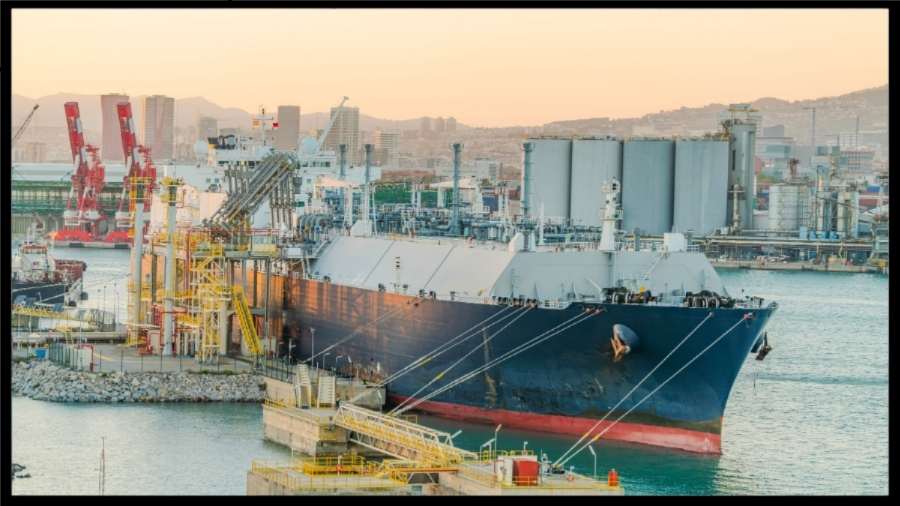
LNG shipping is starting to tilt back toward longer charter cover as conflict in the Middle East, renewed Hormuz risk, and wider supply-chain disruption make spot exposure harder to manage. Speaking in Houston on May 6, NextDecade’s shipping vice president said the market is moving toward more long-term ship charters because volatility has risen and companies are becoming less willing to rely mainly on spot shipping. That marks a notable shift from 2024 and 2025, when fuel oversupply and a softer market made short-term vessel hiring more comfortable for many participants. The change is happening while LNG trade flows are being redrawn by conflict-related disruption, while shipowners still face a heavy newbuild pipeline, and while U.S. LNG developers continue to push major export growth later in the decade. In other words, the current move is not just about freight. It is about risk control, vessel access, and making sure transport capacity is locked in before the next supply wave meets a more unstable geopolitical map.
The real shift is from freight optimization toward transport security
Conflict is pushing charter decisions into the same strategic bucket as supply security, project timing, and balance-sheet protection.
The deeper change is that LNG shipping is being re-rated as infrastructure rather than just transport. During calmer conditions, portfolio players could remain more exposed to the spot market because vessel availability and route assumptions were easier to manage. That calculus is now changing. Conflict around Hormuz, repeated supply disruption, and uncertain route access are making transport capacity look more like a strategic input that has to be locked down. This is especially relevant in LNG because one missing ship can disrupt an entire cargo chain, and a poorly timed vessel shortage can undermine the value of flexible supply. Reuters’ May 6 reporting captured that mood directly, with NextDecade saying the long-term impact of the geopolitical crisis will be more long-term shipping rather than heavy dependence on spot hiring.
The other important layer is that the charter shift is happening while the market still faces conflicting forces. On one side, LNG-carrier orders are rebounding and deliveries remain heavy. On the other, conflict can trap ships, reroute voyages, raise insurance, and create sudden regional shortages of available tonnage. That is why long-term chartering can grow even without a fully tight global fleet. The issue is not just how many ships exist. It is where they are, which routes they can safely serve, and whether charterers can trust spot access when a cargo must move. Earlier this year, daily LNG freight rates jumped more than 40% after Middle East strikes intensified, showing how fast operating conditions can reprice transport risk.
Long-term cover helps insulate projects from route shocks
When conflict or bottlenecks disrupt normal flows, secured vessel capacity becomes a project-protection tool rather than only a logistics choice. That is a reasonable inference from current charter behavior and project-development comments.
Backlog length is becoming a commercial differentiator
Flex LNG’s recent fleet update shows how owners are using contract extensions and long-duration employment to deepen backlog and reduce exposure to spot volatility.
Transport certainty is being priced alongside commodity certainty
Europe’s reluctance to commit to long-term LNG purchases is one challenge for project FIDs, but the shipping side is moving the opposite way by seeking more duration and certainty on vessel access.
Modern ships are best placed to win the longest deals
Newer LNG carriers offer higher capacity and better efficiency, which supports the case for longer commitments when counterparties are trying to reduce operational and emissions risk at the same time.
Signals on the board now
The next key markers are whether more developers start securing shipping earlier in their commercial process, whether owners announce more multi-year fixtures or option-heavy extensions, whether freight volatility remains high enough to keep spot-market confidence weak, and whether the coming delivery wave softens or reinforces the move back toward term cover.
LNG Charter Strategy Stress Tester
Model when locking in long-term vessel cover starts making more sense than relying on the spot market in a conflict-heavy LNG shipping environment.
This model compares two imperfect choices. Spot shipping may start cheaper on paper, but long-term cover can win once volatility, delay, and vessel-availability risk are added back into the equation.
We welcome your feedback, suggestions, corrections, and ideas for enhancements. Please click here to get in touch.