Maersk Warns Gulf Fuel Shock Will Outlast Any Iran Peace Breakthrough
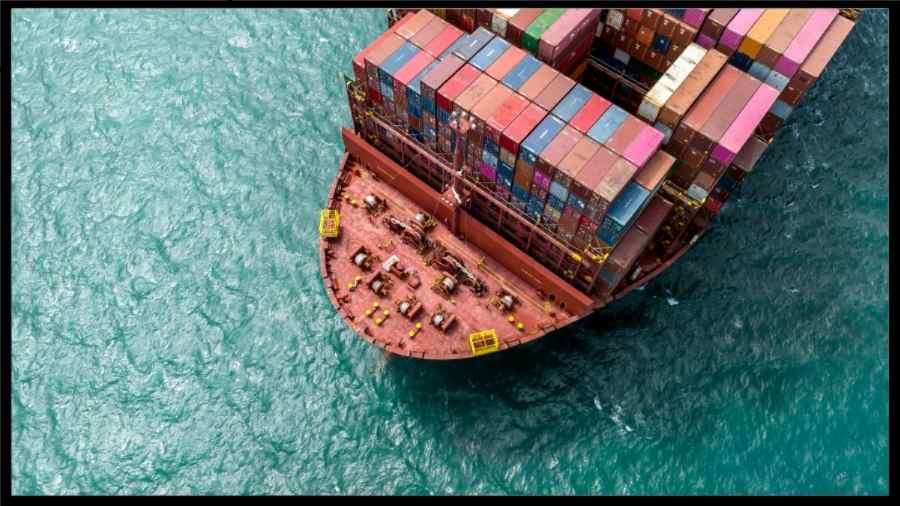
Maersk said this week that the current energy shock tied to the Iran war will not disappear simply because a peace deal is signed. Chief executive Vincent Clerc said the group’s fuel bill has risen by roughly $500 million per month, with bunker prices climbing from about $600 to just under $1,000 per metric ton, and he warned that the energy crisis is likely to last several more months, possibly many more even if diplomacy advances. The company also said the Strait of Hormuz closure has left six Maersk ships trapped in the Gulf, while continued instability has forced vessels to keep avoiding the Red Sea and Suez route in favor of the longer route around Africa.
| Fast reader take | Latest shipping signal | Operational meaning | Commercial consequence | Shows up first | Closest stakeholders |
|---|---|---|---|---|---|
| Fuel cost inflation is already extreme |
Maersk said bunker prices rose from around $600 to just under $1,000 per metric ton, adding roughly $500 million per month in costs.
$500m monthly hit
$600 to ~$1,000
bunker shock
|
The cost surge has already happened, so the system begins any peace phase from a much more expensive base. | Freight costs and customer surcharges can stay elevated even if political tensions cool. | Higher bunker adjustment pressure and contract repricing. | Carriers, BCOs, freight buyers, procurement teams. |
| Hormuz reopening would not instantly free the whole system |
Current energy-market reporting says it would still take weeks for oil shipments to resume and months for the wider market to recover.
slow restart
weeks to resume flows
months to recover
|
Physical energy recovery lags political agreements because inventories, shipping queues, and production restart times do not reset overnight. | Fuel prices can remain sticky well after peace headlines move financial markets. | Continued bunker volatility and weak cost visibility. | Shipowners, bunker suppliers, traders, refiners. |
| Maersk still has ships trapped in the Gulf |
The company said six of its ships were trapped in the Gulf by the Hormuz closure.
6 ships trapped
Gulf exposure
|
The disruption is not abstract. It is tied to specific assets that cannot simply snap back into normal network rotation. | Network balancing and equipment positioning remain under pressure. | Schedule dislocation and slower fleet normalization. | Maersk, alliance partners, cargo planners, terminals. |
| The Red Sea effect still matters |
Maersk said the Middle East situation also keeps it rerouting vessels around Africa instead of through Suez and Bab el-Mandeb.
around Africa
Suez disruption
Red Sea caution
|
The company is managing a dual distortion: Gulf energy risk and Red Sea network inefficiency. | Transit times and fuel burn remain structurally higher than normal. | Longer voyages, tighter rotation efficiency, higher asset demand. | Asia-Europe shippers, carriers, ports, equipment planners. |
| The larger macro threat is delayed demand damage |
Maersk said the bigger long-run risk is a mix of sustained high energy prices, inflation, and weaker demand.
inflation risk
demand risk
overcapacity risk
|
Even if carriers can pass through some costs, a long fuel shock can still weaken the cargo environment later. | The industry can move from cost shock into margin compression if demand softens. | Volume risk, weaker rates, and pressure on outlook assumptions. | Carriers, retailers, manufacturers, investors. |
Post-Deal Energy Crunch Tool
This built-in tool measures how strongly the shipping market is likely to feel fuel and routing pressure even after a political settlement. It focuses on the lag between peace headlines and real energy-system normalization.
Live recovery inputs
Adjust the sliders to estimate how long high bunker prices, trapped assets, and longer voyages remain a problem after a peace breakthrough.
Live readout
This section converts the energy and routing lag into one single shipping-pressure score so the article can show why peace and normalization are not the same thing.
The current Maersk warning points to a post-deal period where shipping still pays wartime-style fuel and routing penalties long after the diplomacy improves.
Peace produces a relatively fast improvement in fuel costs, routing, and cargo planning.
Politics improve first, but costs and operating patterns take longer to follow.
Fuel, flows, and routing remain strained for long enough that carriers and customers continue paying crisis-era penalties.
The post-conflict period still carries enough cost and inflation pressure to damage demand and create a second-stage shipping problem.
The core shipping lesson is that political resolution and commercial normalization do not move together. Fuel, inventories, trapped assets, and rerouted networks can keep the system expensive long after the headlines improve.
We welcome your feedback, suggestions, corrections, and ideas for enhancements. Please click here to get in touch.