Arc7 LNG carrier Alexey Kosygin makes first Saam FSU delivery as Arctic LNG logistics tighten
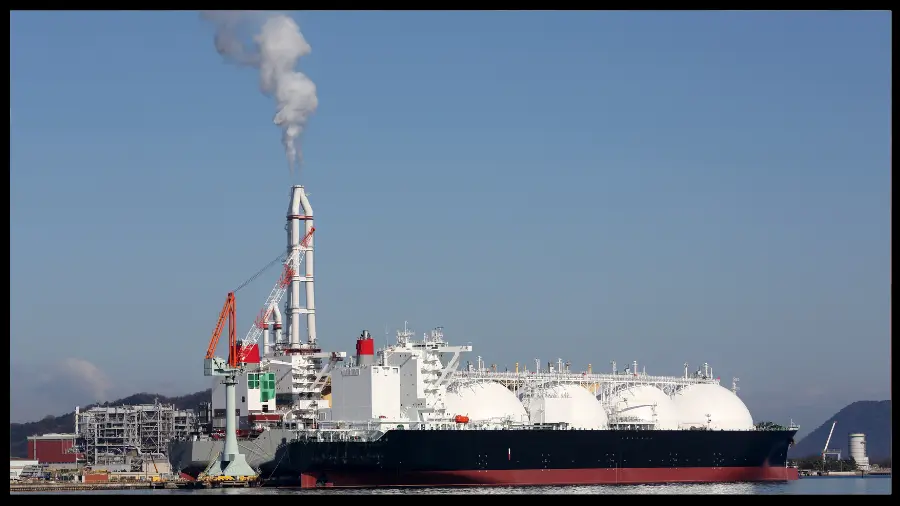
Russia’s Arc7 ice-class LNG carrier Alexey Kosygin has been reported making its first delivery to the Saam floating storage unit (FSU) in the Kola Bay area, a concrete datapoint that Russia’s Arctic LNG logistics are continuing to build out winter-capable transshipment routines. For LNG shipping, the immediate relevance is not just “one voyage” but what it implies about ice-class utilization, STS cadence, and the availability of a scarce Arc7-capable pool during the winter operating window.
Click here for 30 second summary
Alexey Kosygin and Saam FSU in one read
Multiple reports say Russia’s Arc7 ice-class LNG carrier Aleksey Kosygin made its first delivery to the Saam floating storage unit on February 2, 2026 in the Murmansk-area staging zone, reinforcing a winter transshipment operating pattern.
- Datapoint
First reported Saam delivery by the Arc7 carrier in early February 2026. - Importance
Arc7 ice-class LNG ships are scarce, so tying them into winter shuttle work can reduce flexibility elsewhere. -
Bottom Line ImpactA functioning winter transshipment cycle can tighten effective LNG shipping availability by committing scarce ice-class capacity and increasing sensitivity to delays at the staging node.
| Reader shortcut | Confirmed datapoint | Winter ops leverage | Availability impact | Risk flags to track |
|---|---|---|---|---|
| First Saam run |
Alexey Kosygin reported making its inaugural delivery to the Saam FSU in the Murmansk area.
This is a tangible “system working” signal for the transshipment node.
|
Saam acts as a winter-friendly staging point for ship-to-ship workflows when direct export patterns tighten. | Arc7 time committed to Arctic shuttle work reduces the pool available for non-Arctic employment. | Any signs of repeated interruptions: weather holds, ice constraints, or changes in operational permissions. |
| Arc7 is the constraint |
The vessel is Arc7 ice-class, built for severe ice conditions and Arctic routes.
Ice-capable LNG tonnage is not easily substitutable.
|
Arc7 capability enables winter continuity and shorter “stop-start” risk in harsh months. | The more Arc7 ships are tied into this chain, the more the market prices scarcity and optionality elsewhere. | Fleet readiness and reliability: sea trials, ice trial performance, and any operational restrictions. |
| Transshipment node becomes active | Saam FSU is positioned as a transshipment point used to move cargoes onward via other vessels. | STS cadence can become the true “export limiter” in winter, not just production. | More STS steps can increase cycle time per cargo, influencing effective supply even when production is steady. | Any clampdowns, enforcement actions, or tightened screening that raise delay probability at the node. |
| Project execution marker | The delivery is presented as supporting the Arctic LNG logistics chain’s ability to keep moving through winter. | A functioning winter pattern reduces “seasonality risk” and helps maintain export continuity assumptions. | Regular winter operations can pull more specialized tonnage into one corridor, reshaping availability elsewhere. | Any signs the chain relies on a narrow set of assets, making it sensitive to single-vessel downtime. |
| Timeline tells a story |
Reporting frames this as a first delivery event in early February 2026.
First events often precede a ramp into repeat cycles.
|
Early-winter proof points can set expectations for late-winter and shoulder-season operating tempo. | If cadence increases, it can tighten spot flexibility for specialized LNG carriers tied to Arctic patterns. | Watch for: repeat voyages, shorter turnaround claims, and any operational bottlenecks that emerge. |
We welcome your feedback, suggestions, corrections, and ideas for enhancements. Please click here to get in touch.