
🔔 Subscribe to ShipUniverse Weekly →
A 31-Year-Old Cruise Ship Launches a New Company. Then Four Departures Are Canceled.
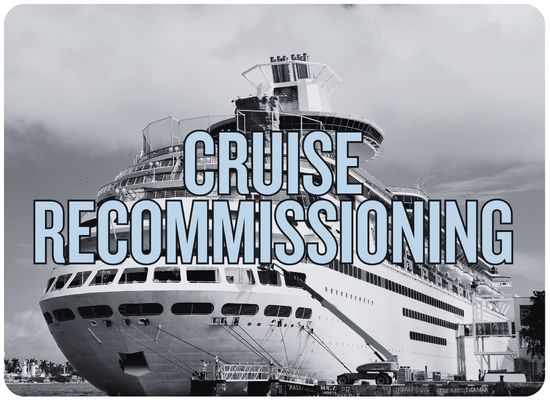
Corazul put the 1995-built Buenavista into Brazilian service on October 30. A week later, it had suspended four advertised departures. Passengers and reporters described toilet trouble, cold showers, a leaking sewage pipe, closed pools and long restaurant queues. The ship had just completed a 45-day voyage from Hong Kong, but getting across an ocean is not the same test as putting a full passenger load through the plumbing, kitchens and hotel operation at once.
Technical and operational adjustments prompted the suspension of four advertised embarkation dates. Affected customers were offered full refunds, including those who chose to stay aboard the ship in Santos.
The operator has not published a full technical root-cause report, detailed repair costs or evidence that age caused every complaint. No class or flag failure has been established.
Four departure dates, one ship
| Date | Event | Significance |
|---|---|---|
| Oct 28 | Arrived in Santos after a 45-day voyage from Hong Kong | Final preparations immediately before launch |
| Oct 30 | First Brazilian cruise | Guest complaints emerge during inaugural operations |
| Nov 6 | Santos departure suspended | Optional hotel-style stay aboard with full refund |
| Nov 7 | Rio de Janeiro departure canceled | Scheduled boarding removed |
| Nov 9 | Santos departure canceled | Further adjustments before peak season |
| Nov 10 | Rio de Janeiro departure canceled | Previously announced cancellation, future as of Nov 9 |
| Nov 13 | Operator's intended restart | Subject to completion of work |
Age is not itself a detention or retirement criterion. The ship's maintenance history, certified condition, parts availability and crew readiness matter more. Corazul had already arranged technical preparations and management before the launch. The ten points below are recommissioning requirements and recommended engineering tests, not ten proven Buenavista defects.
10 systems to overhaul or prove before sailing
The main issue stays visible. Expand each section for the required work and the evidence that should be ready before passengers board.
01Vacuum Toilets & Blackwater CollectionUnreliable flushing reported on the opening voyagesReported+
Vacuum pumps, seals, valves, collection piping, control switches and worn branch connections. Check for leaks, poor pressure recovery and blocked lines throughout the passenger accommodation.
Simulate simultaneous toilet demand across multiple decks. Log pressure recovery, pump duty cycles, alarm responses and repeat failures. Testing one working cabin is not enough.
02Fresh Water, Hot Water & DistributionCold showers and water-service problems reportedReported+
Inspect tanks, booster pumps, heat exchangers, hot-water recirculation, temperature controls and backflow protection. Clean, disinfect and flush systems as required by the applicable sanitation plan.
Verify water quality, residual disinfectant control, stable pressure at distant cabins and hot-water delivery under simultaneous shower and galley loads.
03Sewage Treatment, Drainage & WastewaterA sewage pipe reportedly ruptured near a restaurantReported+
Inspect pipework, fittings, pumps, tanks, level controls, sewage treatment equipment and vulnerable transitions between older materials. Check system capacity against expected guest numbers.
Run high-load operating tests, verify alarms and emergency transfers, inspect treated discharge and confirm compliant reception arrangements under MARPOL Annex IV and applicable local requirements.
04HVAC, Cabin Leaks & CondensateWater intrusion and air-conditioning complaintsReported+
Locate damaged seals, deck penetrations, corroded fittings, blocked condensate drains, failing cooling coils and control faults. Repair the source rather than concealing it behind new interiors.
Verify cabin temperatures and humidity over extended operation, conduct appropriate water-ingress tests, check drainage and document recurring problems.
05Pools, Spas & Recreational UtilitiesSwimming pools were closed or emptyReported+
Service circulation pumps, strainers, filters, chemical dosing systems, heating and drainage. Verify the physical condition and safety controls of each recreational water facility.
Prove sustained recirculation, water-treatment control, safe operation and inspection records. A ship should not sell a full resort experience while major attractions remain unavailable.
06Galleys, Refrigeration & Food ServicePassengers reported lengthy meal queuesReported+
Service refrigerators, freezers, preparation equipment, cooking lines, dishwashers and galley ventilation. Align food stores, equipment capacity and staffing with the actual menu and passenger demand.
Conduct a full-capacity dinner simulation, recording meals served per hour, food temperatures, service times and turnaround. More restaurant seats do not guarantee more meals delivered.
07Hotel Crew, Training & Guest OperationsStaff shortages and service delays reportedReported+
Review staffing by department and shift, venue capacity, training, guest-language requirements, embarkation procedures, housekeeping coverage and complaint resolution.
Operate representative shakedown sessions with actual crew, menus, room turnover and passenger-flow simulations. Set minimum staffing and maximum queue targets before commercial release.
08Propulsion, Generators & Electrical DistributionCritical reliability check, not a documented Buenavista failureMust verify+
Age-related machinery wear, cooling systems, switchboards, electrical insulation, pumps, alarm panels and emergency-power equipment. Renew or repair components based on condition and survey findings.
Complete required sea trials, load testing, changeover demonstrations and alarm tests. Repositioning a ship successfully does not prove every hotel and passenger-load scenario.
09Fire Protection, Detection & Escape RoutesMandatory safety-critical readiness checkMust verify+
Fire detection, sprinkler networks, pumps, dampers, fire doors, escape lighting and compartmentation. Verify that any refurbishment changes are reflected in the safety arrangements.
Document required functional inspections, alarm operation, emergency response and crew drills under the applicable SOLAS and flag requirements.
10Lifesaving Equipment, Surveys & Operational Sign-OffThe final release gate for an older passenger shipMust verify+
Lifeboats, launch gear, emergency communications, passenger instructions, crew competence and all required flag/class surveys. Reconcile open safety-management findings and maintenance backlogs.
Confirm current approvals, witnessed equipment checks, crew familiarization and realistic muster drills. Any unresolved safety-critical fault needs a documented no-sail decision.
What a shakedown cruise should actually prove
| Gate | Evidence required |
|---|---|
| Technical | Machinery and safety-system tests, closed defects, class/flag requirements and any necessary trials |
| Sanitation | Water, galley, pool and sewage testing compliant with applicable Brazilian Anvisa requirements |
| Passenger load | Plumbing, dining, HVAC, housekeeping and guest services proven under representative peak demand |
| Final release | Signed technical and operational acceptance, trained crews, stocked critical spares and named authority for a no-sail decision |
Research sources and reporting notes
What can a canceled cruise launch cost?
Four advertised embarkation dates may overlap voyages. Change the number of unique voyage-equivalents and other assumptions to estimate economic exposure. This is not a Corazul loss estimate.
Lost contribution plus additional guest care, repair and port expense
Illustrative model only. Voyage-equivalents and all financial assumptions are hypothetical. The model uses foregone contribution, not total refunds, as the earnings impact from lost fares, avoiding double-counting voyage expenses that are no longer incurred. It does not model ancillary sales, financing, customer goodwill, future bookings, supplier penalties or insurance recovery. Preventative work is only justified financially to the extent it reduces the expected likelihood or cost of disruption.
We welcome your feedback, suggestions, corrections, and ideas for enhancements.
Please click here to get in touch