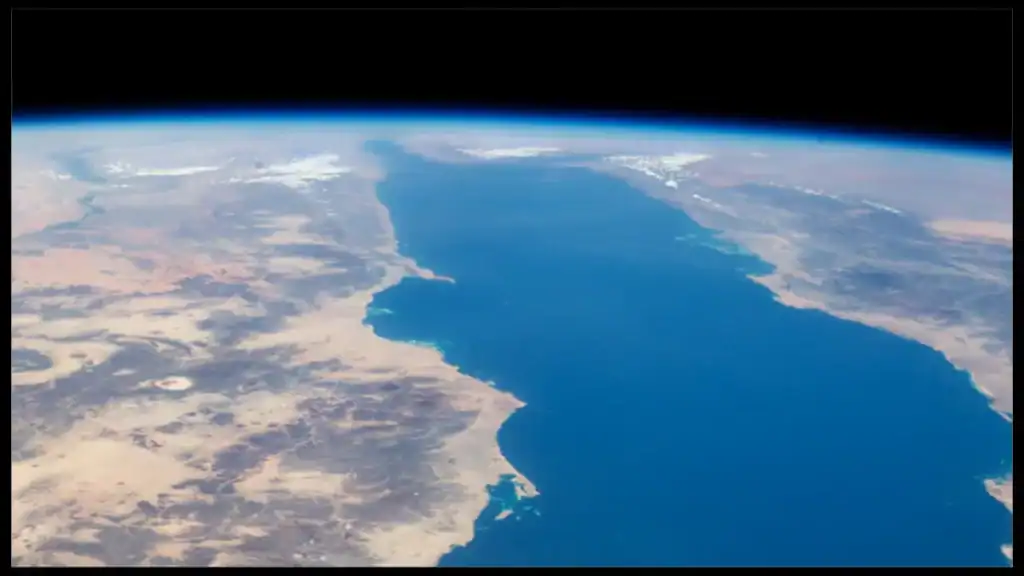
This week wasn’t quiet at sea. A U.S.–China run-in near Alaska, India–Philippines drills in the South China Sea, renewed threats around the Strait of Hormuz, lingering Red Sea risk, UKMTO alerts across Gulf chokepoints, and stepped-up scrutiny of Russia’s “shadow fleet” in the Danish Straits all kept watchstanders busy.
Global Maritime Tensions — This Week
Flashpoint
What Happened
Who’s Involved
Maritime Effect
Status
Alaska / Arctic
U.S. Coast Guard confronted a Chinese research icebreaker operating near Alaska.
U.S., China
Raised attention on high-latitude operations and EEZ sensitivities.
Incident reported last week; no ongoing disruption noted.
South China Sea
First-ever India–Philippines naval exercise held; Chinese vessels observed activities.
India, Philippines, China
Signals deeper security networking; routine shipping unaffected but closely monitored.
Exercise concluded this week.
Strait of Hormuz
Iran reiterated threats to close the strait amid regional escalation.
Iran, regional/naval stakeholders
Elevated risk premiums and routing caution; waterway remains open.
Threat rhetoric persists; traffic continues.
Red Sea / Suez Corridor
Carriers remain wary of returning to Red Sea routes despite some stabilization.
Global liners, regional actors
Ongoing diversions extend voyages; schedule reliability and costs impacted.
Caution ongoing; selective transits only.
Gulf Chokepoints
UKMTO advisories urge elevated security postures across Hormuz, Gulf of Oman, and adjacent waters.
UKMTO, regional navies, commercial shipping
Speed/route adjustments and higher insurance considerations for transits.
Advisories active; conditions fluid.
Danish Straits
Heightened monitoring and checks on Russia-linked “shadow fleet” tankers transiting narrow waters.
Closer scrutiny of older tonnage; potential delays for non-compliant vessels.
Enforcement stepped up; ongoing.
Note: Table reflects verified reporting and official advisories as of this week; routine commercial traffic continues in most areas with elevated caution where noted.
Industry Impact Overview
The overlapping maritime flashpoints in the Arctic, South China Sea, Persian Gulf, Red Sea, and European chokepoints are creating an environment where shipping risk management is no longer regional, it is global. Vessel operators, insurers, and cargo owners are increasingly integrating multi-theater contingency planning, as risk in one area can quickly ripple across others.
Key Impacts
Heightened Multi-Route Risk - Simultaneous hotspots mean rerouting options may themselves be under threat.
Insurance Premium Pressures - War risk surcharges and specialized coverage remain elevated in multiple corridors.
Fleet Deployment Adjustments - Owners shifting tonnage away from certain trades, potentially tightening capacity elsewhere.
Crew Welfare Concerns - More transits through high-alert zones increase fatigue and security risks for seafarers.
Port Readiness Strain - Strategic ports near tense regions are seeing increased demand for bunkering, repairs, and lay-ups.
Operational Responses to Multi-Theater Maritime Tensions
Operational Focus
Recommended Action
Likely Outcome
Adaptive Routing
Integrate live maritime security advisories into voyage planning for real-time course adjustments.
Minimizes exposure to developing threats and avoids costly diversions.
Distributed Fleet Deployment
Position vessels across diverse loading zones to reduce dependency on any single chokepoint.
Improves service continuity when one trade lane is disrupted.
Crew Security Drills
Conduct targeted training for piracy prevention, hostile vessel avoidance, and emergency communications.
Enhances crew confidence and readiness in volatile areas.
Alternate Port Arrangements
Secure agreements with secondary ports for bunkering or cargo operations.
Ensures faster rerouting without major scheduling impact.
Insurance Strategy Review
Adjust war risk and political risk coverages per voyage rather than annually.
Balances premium cost with coverage precision.
Note: This table summarizes operational practices and risk responses consistently reflected in 2025 port notices, canal bulletins, and maritime security advisories.
At ShipUniverse, we’ve been watching these overlapping flashpoints with growing concern. We’ve seen how quickly one incident in a narrow waterway can ripple across global trade lanes, forcing operators to make tough routing and scheduling calls on the fly. We’ve also heard from many of you in the industry who’ve had to adjust port calls, renegotiate charters, or update security protocols in real time. We believe that staying informed and planning with flexibility is the best defense against this kind of uncertainty, and we’ll keep bringing you the insights you need to navigate these shifting waters.