
🔔 Subscribe to ShipUniverse Weekly →
Let's start with the basics. Active Heave Compensation (AHC) is like the superhero of the crane world. It’s there to save the day when rough seas try to mess with crane operations. In simple terms, AHC keeps the crane’s load stable, no matter how much the ship is bouncing around on the waves.
* Please send feedback/suggestions to editor @ shipuniverse.com
The Tech Behind AHC: More Than Meets the Eye
- Now, let’s peek under the hood. AHC uses a bunch of high-tech sensors to figure out how much the ship is moving. These sensors are like the crane's eyes and ears, constantly checking the sea’s mood. They send all this info to a control system – the brain – which calculates how to counteract that movement.
Hydraulics: The Muscle of AHC Systems
- Here comes the cool part. Once the brain knows what’s up, it tells the hydraulics – the muscles – what to do. These hydraulic mechanisms adjust the crane’s position by either lifting or lowering it just enough to make the load seem like it's floating calmly, even if the sea is doing its best dance moves.
AHC vs. Passive Heave Compensation: What's the Difference?
- To wrap this up, let's compare AHC with its less flashy cousin, passive heave compensation. Passive systems are like basic shock absorbers; they help, but they don’t actively respond to sea movements. They're more about cushioning the bumps. AHC, on the other hand, is like having a smart system that's constantly adapting, making it way better for keeping things steady when the ocean gets wild.
The Importance of AHC in Rough Sea Conditions
Battling the Waves: Crane Challenges at Sea
- Let’s talk about what happens when a crane meets the high seas. Picture this: a ship is out in the ocean, and it's not just smoothly sailing – it's riding waves, bobbing like a cork. This makes crane operations super tricky. The main headache? Wave-induced movements. These can lead to unstable loads, inaccurate load placement, and even safety risks. It's like trying to thread a needle while riding a roller coaster.
AHC to the Rescue: Stabilizing Amidst the Storm
- Enter Active Heave Compensation, the hero of our story. AHC steps in to tackle these sea-induced challenges head-on. How? By actively stabilizing the load. It's almost like AHC has a sixth sense, detecting how the ship moves and countering those movements to keep the load steady. The result? Way less motion, much better accuracy, and a safer environment for crane operations. It's like having a steadying hand in choppy waters.
AHC's Impact on Operational Efficiency and Safety
Boosting Efficiency on the High Seas
- Let’s dive into how Active Heave Compensation (AHC) is not just cool tech but also a real efficiency booster. First off, AHC reduces operational downtime. Imagine the sea's throwing a tantrum. Without AHC, crane operations might need to hit pause, but with AHC, the show goes on. The crane can keep working smoothly, almost like it's in calmer waters. Plus, the enhanced load handling capabilities mean that work gets done faster and with fewer do-overs. It's like having a super precise, all-weather helper on deck.
Safety First: AHC's Role in Reducing Risks
- Now, onto safety – a big deal on any ship. AHC plays a huge role here. By stabilizing the load, AHC cuts down the risk of accidents. Think about it: less load swinging means less chance of it hitting something (or someone). Also, it reduces the wear and tear on equipment. Less bouncing and jerking around means less strain on the crane, which means a longer life for the gear and fewer repairs. It's like having a built-in safety officer.
The Investment in AHC: A Closer Look at the Price Tag
- When it comes to AHC systems, the first thing that jumps out is the cost. And yes, they're definitely on the pricier side. But why? Well, the advanced technology and precision engineering behind AHC systems don't come cheap. We're talking about a sophisticated mix of sensors, control systems, and hydraulic components, all needing to work seamlessly in harsh marine environments. It's high-tech stuff, and developing, producing, and installing these systems require significant investment. As a ballpark figure, AHC systems can add several hundred thousand to a few million dollars to the cost of a crane, depending on the system's size and complexity.
The Production Challenge: Why AHC is a Tough Build
- Making an AHC system is no walk in the park. The tech is advanced and requires precision engineering. First, there's the challenge of creating highly sensitive sensors that can accurately detect the slightest movements of a vessel. Then, you need a robust control system that can process this data in real-time and make split-second decisions. And let's not forget the hydraulics – they need to be powerful yet precise, able to adjust the crane's position with pinpoint accuracy. All these components must work flawlessly in some pretty extreme conditions, from freezing Arctic waters to sweltering tropical seas. It's a complex dance of mechanics, electronics, and software engineering, all rolled into one.
Balancing Cost with Long-Term Gains
- Sure, the upfront cost of an AHC system might cause some sticker shock, but it's worth weighing this against the long-term benefits. With AHC, operations can continue in rougher seas, where they'd otherwise have to stop. This means less downtime and more efficiency, which can translate to significant cost savings over time. Plus, there's the safety aspect – reducing the risk of accidents and equipment damage isn't just good practice; it can also save money in the long run on repairs and insurance.
So, while AHC systems come with a significant price tag and are complex to produce, their benefits in operational efficiency, safety, and the ability to work in challenging conditions often justify the investment. It's a classic case of spending money to make (or save) money, especially in the high-stakes world of maritime operations.
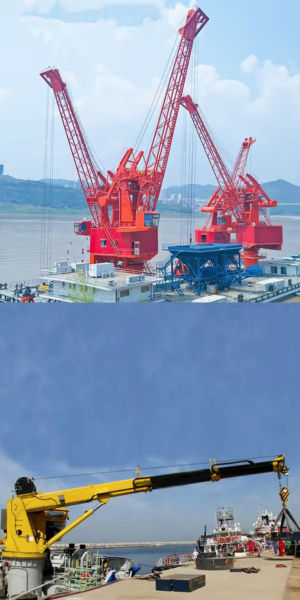
Factory Direct Pricing = Huge Savings
* High-end cranes trusted by top fleets.
* Fully customizable according to your specs.
* Marine cranes, including gantry, deck, knuckle boom, telescopic, and jib cranes, to meet all your maritime needs.
| Deck Crane | Gantry Crane | Overhead Crane | Container Carrier | Knuckle Boom |
|---|---|---|---|---|
| 10k to 80k | 20k to 180k | 3k to 10k | 100k to 260k | 15k to 100k |
Additional References
The Offshore Engineer (OE): An online and print publication providing the offshore oil and gas industry with engineering news and analysis, including technological advancements like AHC and its impact on offshore operations.
The International Marine Contractors Association (IMCA): An international trade association representing companies and organizations engaged in delivering offshore, marine, and underwater solutions. IMCA provides guidelines and reports on best practices in technology and operations, including advanced systems like AHC.
The Marine Technology Society: A non-profit international society comprising marine technicians, engineers, scientists, and educators. They share insights and advancements in marine technology, potentially including detailed discussions on AHC.